

 613 views
Picture this: you’ve just signed up at the gym, you’re fired up to finally “burn that belly fat,” and within the first week, someone in the locker room throws two words at you: HIIT and Steady-State Cardio. Suddenly, you’re standing there wondering if fitness has turned into a cricket match with two rival teams.
It’s a common debate. On one side, you have HIIT (High-Intensity Interval Training), which is short bursts of near-all-out effort followed by rest. Think of it as sprinting to catch the last Mumbai local and then collapsing into the seat for a breather. On the other side is steady-state cardio, which is jogging, cycling, or walking at a moderate pace for a longer duration.
Both camps swear their method is the ultimate fat-burner. Fitness influencers will have you believe that HIIT is “king” because of the afterburn effect, while others argue steady-state is more sustainable and kinder to your joints.
But the truth lies in the fact that fat loss isn’t about magic. It’s about consistency, calorie balance, and choosing an approach that you can actually stick with without dreading every session. This article breaks down both methods, what science says, and how you can decide which works best for you.
What is HIIT?

High-Intensity Interval Training (HIIT) is a workout style where you alternate between short bursts of intense activity and periods of rest or low-intensity movement. For example, 30 seconds of sprinting followed by 60 seconds of walking, repeated for 15–20 minutes.
The idea is simple: push your body close to its limit for a short time, let it recover briefly, and then repeat. Because the intensity is so high, workouts are usually shorter, and often 20–30 minutes is enough.
Key Benefits of HIIT for Fat Loss
- Calorie burn in less time: Studies show HIIT can burn a significant number of calories quickly, making it efficient for people with tight schedules.
- Afterburn effect (EPOC): Your body continues to burn calories even after you’ve finished working out, thanks to the extra oxygen it needs to recover.
- Improves cardiovascular fitness: HIIT has been linked to better heart health and endurance, even with shorter workouts.
While HIIT is effective, it can also be demanding on the body. Beginners may need to start slow, as pushing too hard without proper form or conditioning can increase the risk of injury.
What is Steady-State Cardio?

Steady-state cardio is when you perform a continuous aerobic activity at a consistent pace for an extended period, usually 30 minutes or more. Think of jogging, cycling, brisk walking, or using the elliptical at a moderate intensity where you can hold a conversation but wouldn’t want to sing a song out loud.
Unlike HIIT, where your heart rate goes up and down in bursts, steady-state keeps your heart rate in a moderate zone, often around 60–70% of your maximum.
Example Workouts
- A 45-minute jog around your local park
- A 40-minute cycling session on a flat road or stationary bike
- 30 minutes of steady-paced swimming
Key Benefits for Fat Loss
- Higher total calorie burn during the workout: While the afterburn effect is lower compared to HIIT, steady-state allows you to sustain longer sessions, which can add up to significant calorie expenditure.
- Lower impact and easier to sustain: Ideal for beginners or those with joint concerns, since intensity is manageable.
- Builds aerobic endurance: Regular steady-state training improves cardiovascular health and stamina, which is beneficial for both fat loss and overall fitness.
- Mentally relaxing: For many people, steady-state cardio doubles up as “me time” — a chance to clear their head while exercising.
The Science of Fat Loss
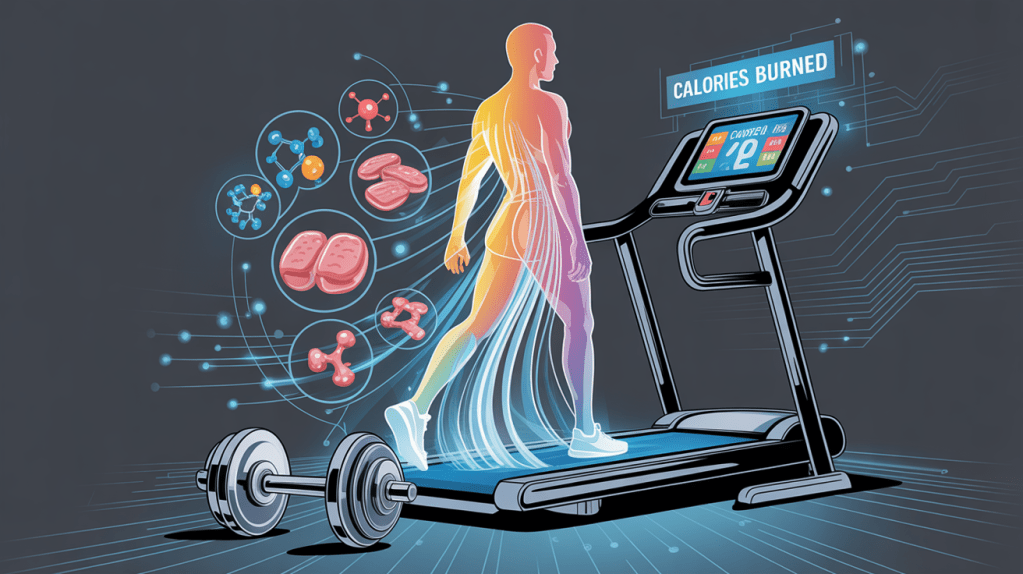
At its core, fat loss boils down to the balance between calories burned and calories consumed. Both HIIT and steady-state cardio help create a calorie deficit, but they do so in different ways.
- HIIT: Burns fewer calories during the workout but triggers EPOC (Excess Post-Exercise Oxygen Consumption), meaning your body continues burning calories long after you finish.
- Steady-State: Burns more calories during the actual session, but doesn’t have the same afterburn effect.
So, the real question is: Do you prefer to work hard in short bursts or go longer at a steady pace?
HIIT vs Steady-State Cardio: Which Burns More Fat?
When it comes to fat loss, people want a straight answer on which one works better, but the reality is more nuanced.
Calorie Burn During the Workout
- Steady-state cardio allows for longer sessions, which means you can burn a higher total number of calories in one go. A 45-minute jog, for instance, could burn 300–400 calories depending on your pace and body weight.
- HIIT workouts, being shorter, usually burn fewer calories during the session itself. A 20-minute HIIT routine might burn 200–250 calories.
Fat Loss Over Time
Over weeks and months, both HIIT and steady-state cardio can help with fat loss. HIIT often gets more attention because it saves time and can boost fitness levels quickly.
Still, steady-state cardio has its strengths. For beginners, people with extra weight, or anyone who prefers a slower pace, it’s easier to do regularly. And when it comes to losing fat, sticking with a routine matters more than going all-out once in a while. Activities like walking, jogging, or cycling at a steady pace can deliver steady progress without feeling too exhausting.
In short: HIIT works like a quick “accelerator,” while steady-state is more of a “long game.” Both can be effective, but the best method is the one you can stay consistent with.
Practical Takeaway
If you don’t have much time and enjoy pushing yourself, HIIT can be a smart choice. If you’d rather go at a steady pace for longer sessions, steady-state cardio works just as well — especially if it helps you stay consistent.
The key point: both methods are effective. Fat loss depends more on your overall calorie balance and sticking to a routine than on choosing one “perfect” workout style.
Which Is Better for You?
The honest answer is: it depends on your lifestyle, fitness level, and personal preference. Both HIIT and steady-state cardio can help with fat loss, but the “best” one is the one you’ll stick with.
Choose HIIT if:
- You have a busy schedule and want quick, efficient workouts.
- You enjoy challenging yourself with bursts of intensity.
- You already have some base level of fitness and no major joint issues.
Choose Steady-State if:
- You’re new to exercise or coming back after a long break.
- You prefer low- to moderate-intensity activity that feels sustainable.
- You find exercise is also a way to clear your mind, relax, or spend a longer time outdoors.
The Middle Ground
You don’t have to pick one forever. Many people get the best results by combining both styles. For example, two days of HIIT workouts for efficiency, plus two or three steady-state sessions for endurance and active recovery. This mix can improve overall fitness while keeping things enjoyable.
Myths and Misconceptions
When it comes to cardio and fat loss, a lot of half-truths and myths keep floating around. Let’s clear up some of the most common ones.
Myth 1: “HIIT is the only way to lose fat.”
HIIT is effective, but it’s not the only option. Steady-state cardio, strength training, and even daily movement like walking all contribute to fat loss when paired with the right nutrition.
Myth 2: “Steady-state cardio is a waste of time.”
Some people dismiss steady-state because it doesn’t give the same quick calorie burn as HIIT. The truth is, steady sessions add up, especially for people who prefer longer workouts or want a lower-impact routine they can repeat often.
Myth 3: “The afterburn from HIIT means I can eat whatever I want.”
Yes, HIIT does create an afterburn effect, but it’s not a free pass for unlimited calories. Fat loss still comes down to maintaining a calorie deficit. Exercise can help, but your diet plays an even bigger role.
Myth 4: “More cardio equals faster fat loss.”
Doing endless cardio sessions won’t automatically speed things up. Too much cardio without rest can lead to fatigue, muscle loss, or even burnout. Balance is key; mixing cardio with strength training and recovery works best.
Also Check out: Yoga for Stress Relief
Tips for Maximising Fat Loss with Cardio

Cardio can be a powerful tool for fat loss, but how you approach it makes all the difference. Here are some simple, effective tips to get the most out of your workouts:
1. Pair Cardio with Strength Training
Strength training helps preserve and build muscle, which boosts metabolism. A mix of cardio and resistance workouts often gives better fat loss results than cardio alone.
2. Focus on Nutrition First
No amount of cardio can make up for a poor diet. Fat loss is mainly about maintaining a calorie deficit; cardio just helps you get there more efficiently.
3. Pick What You Enjoy
The best workout is the one you’ll keep doing. If you love intense, sweaty HIIT sessions, go for them. If long walks or steady jogs are more your style, stick with those. Consistency beats intensity in the long run.
4. Start Slow, Then Progress
If you’re new, don’t jump straight into 5 days of HIIT or hour-long runs. Begin with manageable sessions and gradually increase intensity or duration. This prevents injury and helps build a lasting habit.
5. Mix It Up
Combining HIIT and steady-state sessions can give you the best of both worlds: time efficiency, endurance, and variety to keep things interesting.
Conclusion
When it comes to fat loss, both HIIT and steady-state cardio can play a role. HIIT is efficient and can improve fitness quickly, while steady-state offers a sustainable, lower-intensity option that many people find easier to stick with. Neither is “better” in absolute terms; the right choice depends on your lifestyle, fitness level, and what you enjoy most.
At the end of the day, fat loss is about consistency. The workout you’ll actually repeat, whether that’s 20 minutes of HIIT or a daily 40-minute walk, is the one that will deliver results.
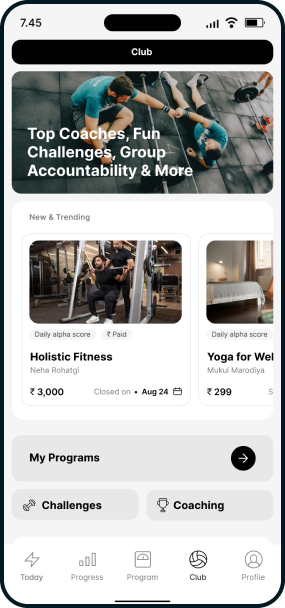
If you’re unsure where to start or how to combine both styles effectively, that’s where structured coaching makes a difference. A coach can help you design a routine that fits your schedule, keeps you accountable, and matches your goals.
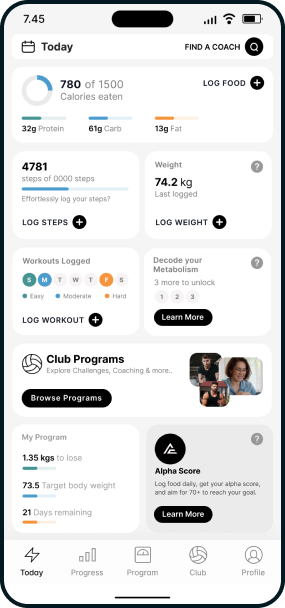
Want help building the right balance of HIIT, cardio, and strength training for your lifestyle? Explore our resources, track your nutrition, or connect with a verified fitness coach on Alpha Coach. Remember, the best cardio is the one you enjoy. Whether it’s a sweaty HIIT session or a peaceful jog, stay consistent, fuel well, and results will follow.
FAQs
- Best Exercises to Strengthen Your Core At Home
- 7 Back Exercises for Strength & Muscle Gain
- 7 Simple Chest Workouts With and Without Equipments
- Shoulder Workout at Gym – The Underrated Hero
 0
0










Leave a Reply