

 256 views
Every December and January, search trends in India show the same pattern. People start looking up terms like full body test, full body check up tests list, annual health check up, and even full body test price. The intention is understandable. A new year forces you to take stock of your health. The problem is that the information available online is either too generic or too medically dense for the average person to use in any meaningful way.
This guide is designed to make the entire process simpler.
What Is a Full Body Test?
In Indian cities, the term full body test is used for a large, bundled package of 50–90+ investigations. Depending on the lab, the list may include blood sugar, HbA1c, thyroid panel, liver function test, kidney markers, lipid profile, CBC, urine test, vitamin levels, ECG, and occasionally a chest X-ray. People search for ‘how many tests in full body checkup’, but the number itself tells you very little. What matters is whether the right metabolic markers are included.
A full body checkup gives you a broad snapshot of your health at one point in time. It is not designed for trend analysis or long-term prevention. You can think of it as a wide-angle photograph, not a story.
What Is an Annual Health Checkup?
An annual health check-up is very different. It’s a focused screening model meant to track critical indicators every year. Instead of testing everything possible, it checks a core set of lifestyle-related values: sugar, lipids, thyroid, liver, kidney, CBC, vitamin D, vitamin B12, and sometimes inflammatory markers.
The annual health check-up list is smaller than a full body package, but far more relevant because it’s meant to monitor change year over year.
Full Body Checkup vs Annual Health Checkup: Key Differences
| Parameter | Full Body Test | Annual Health Checkup |
| Purpose | Broad screening | Long-term prevention |
| Frequency | Once in 1–2 years | Once every year |
| Number of tests | 50–80 | 15–25 |
| Focus | Quantity | Relevance |
| Who needs it | First-time testers | Everyone after age 25 |
| Goal | Detect unknown issues | Track metabolic health |
People frequently search for what tests are included in a full-body checkup. The thing is, the test list looks impressive but often includes markers that add little value unless a doctor specifically asks for them. Annual testing, on the other hand, focuses on what matters most for long-term health.
Full Body Checkup Test List in India

A typical full body check-up test list includes:
- Metabolic and Sugar Tests
• Fasting glucose
• HbA1c
• Insulin (in some packages) - Thyroid Panel
• TSH
• T3
• T4 - Lipid Profile (Cholesterol)
• Total cholesterol
• HDL
• LDL
• Triglycerides - Liver Function Tests
• ALT
• AST
• Bilirubin
• Albumin - Kidney Function Tests
• Creatinine
• Urea
• Uric acid
• eGFR - Blood Panel
• CBC (complete blood count) - Vitamins
• Vitamin D
• Vitamin B12 - Urine Routine
Basic screening for kidney and hydration issues. - ECG / X-ray
Included in higher-tier packages.
All of this together forms the backbone of any full-body blood test panel.
Price Comparison: Full Body Test vs Annual Health Checkup
One of the most common queries online is full body test price or how much is a full body test, and the honest answer is that the cost varies quite a bit depending on the city, the diagnostic chain, and the depth of the package you choose.
In most Indian metros, here’s what you can expect:
Budget diagnostic labs
₹999–₹1,999
These typically cover the essential metabolic markers and a few add-ons.
Mid-tier hospitals and trusted diagnostic centres
₹2,500–₹4,500
You’ll usually find better accuracy, a broader panel, and doctor review included.
Premium hospitals and corporate chains
₹5,000–₹12,000
These packages include extensive panels, ECGs, imaging, multiple vitamin tests, and more consultations.
An annual health checkup usually costs slightly less, mainly because the test list is narrower and designed for yearly monitoring rather than an exhaustive one-time screening.
How to Prepare Before a Full Body Test or Annual Health Checkup
Preparation has a measurable impact on your results. Even a single late-night meal or a poor night of sleep can distort sugar, triglycerides, liver enzymes, and several other markers. A proper pre-test routine can prevent unnecessary retesting and inaccurate interpretations.
The complete preparation checklist:
- Fast for 8–12 hours (water is allowed; no tea, coffee, or juice)
- Avoid alcohol for 24–48 hours, as it elevates liver enzymes and triglycerides.
- Eat a light dinner the previous night to prevent high morning sugars and lipids
- Skip strenuous workouts the day before, which can spike liver enzymes and CK levels
- Stay well-hydrated, but don’t overhydrate (affects kidney markers)
- Get 7–8 hours of sleep, as sleep loss raises fasting glucose
- Avoid smoking on the morning of the test
- Do not consume supplements (biotin, vitamin D, B12, pre-workouts) 24 hours before testing
- Women should avoid testing during their menstrual cycle for iron, vitamin, and thyroid-related markers
- Take prescription medications only if your doctor approves, especially for thyroid, diabetes, and blood pressure
- For urine tests, collect the mid-stream sample (not the first few drops)
- For ECG/X-rays, wear comfortable clothing and avoid creams/oils on the chest area
These steps significantly influence the accuracy of sugar, lipids, liver function, kidney function, and vitamin values.
Why Your Results May Be Wrong
Most people assume blood tests are absolute. In reality, several everyday habits can shift your numbers enough to create false alarms or misleading conclusions.
What commonly causes inaccurate or misleading results:
- Poor or interrupted sleep: Even one late night can push fasting glucose higher than usual and increase stress hormones.
- A heavy workout the previous day: Intense strength training or long runs elevate liver enzymes, making them appear abnormal even when your liver is perfectly healthy.
- A high-fat or late-night dinner: This can spike triglycerides and distort lipid profile readings.
- Dehydration: Low water intake can falsely elevate creatinine and make kidney function look worse than it is.
- Variation between labs: Different machines, calibration standards, and reference ranges can produce slightly different results, especially for thyroid, vitamin D, and liver markers.
- Supplements taken too close to testing: Biotin, B12, vitamin D, pre-workouts, and fat burners can alter thyroid markers, vitamin levels, and even ECG readings.
- Stress, anxiety, or rushing to the lab: Cortisol rises, pushing fasting glucose and blood pressure higher.
- Recent alcohol intake: Even a single drink can temporarily elevate liver enzymes and triglycerides for 24–48 hours.
- Illness or infection: A cold, flu, or minor viral infection can shift white blood cell (WBC) count, CRP, and several metabolic markers.
When to retest:
If any value looks unexpectedly high or out of character (especially sugar, triglycerides, liver enzymes, TSH, or creatinine), repeating the test after 48–72 hours, with proper preparation, often gives a much clearer picture.
Understanding Your Results: The Indian Lifestyle Interpretation

Interpreting health reports becomes much easier once you understand one simple idea: Indian lifestyle patterns create predictable changes in blood work. Our meals, routines, and cultural habits are not the same as Western populations, so our reports shouldn’t be interpreted through Western assumptions either.
The biggest lifestyle factors that shape Indian blood markers:
- A carb-heavy plate, multiple times a day
Roti, rice, poha, upma, idli, dosa, parathas; most Indian meals are built around starch. Without enough protein or vegetables, this pushes the body toward frequent insulin spikes, higher fasting glucose, and elevated HbA1c over time. - Hidden oils in everyday cooking
Even “simple home food” often carries far more oil than people realise. Tadkas, gravies, fried snacks, and restaurant-style preparations contribute to excess calorie intake, which shows up as higher triglycerides and stubborn belly fat. - Low protein intake
A typical Indian diet falls short on protein by 30–60 grams a day. This leads to fatigue, cravings, poor recovery, and slowed metabolism, all reflected indirectly in markers like triglycerides, HDL, and even thyroid function. - Late-night eating
Eating dinner at 10 or 11 pm is extremely common. This habit directly affects fasting sugar, triglycerides, and sleep quality. Poor sleep then pushes these numbers even higher. - Low daily movement
Most Indians average fewer than 3,000–5,000 steps a day. Low NEAT (non-exercise movement) contributes to weight gain, higher insulin levels, and rising triglycerides, especially in people with desk jobs. - Chronic stress from work, travel, and family responsibilities
Stress elevates cortisol, which in turn raises fasting glucose and contributes to fat storage around the abdomen. It also worsens thyroid fluctuations. - Minimal sunlight exposure
Indoor work, urban living, and heat avoidance lead to widespread vitamin D deficiency across India. Low vitamin D also influences immunity, energy levels, mood, and even thyroid function.
How these patterns show up in your blood work
When combined, these habits create a cluster of recurring results in Indian reports:
- High triglycerides (carb-heavy meals + hidden oils + low movement
- Borderline or high fasting glucose (late dinners + insulin spikes
- Elevated HbA1c (chronic carb overload + stress + poor sleep)
- Vitamin D deficiency (minimal sunlight)
- Thyroid fluctuations (stress + low protein + low micronutrients)
- Low HDL (sedentary lifestyle + poor fat quality).
Red Flag Values Indians Should Never Ignore
Certain markers in your blood work deserve immediate attention because they point to early metabolic issues, nutritional deficiencies, or long-term disease risk.
Blood Sugar (Metabolic Health)
- Fasting glucose above 100 mg/dL
Indicates early insulin resistance.
Why it matters: Higher risk of diabetes and belly-fat accumulation.
Next step: Retest within 2–4 weeks; improve dinner timing. - HbA1c above 5.7%
Early sign of chronic carb overload.
Why it matters: Strong predictor of long-term metabolic issues.
Next step: Reduce refined carbs; increase protein and steps.
Lipids (Heart and Metabolic Risk)
- Triglycerides above 150 mg/dL
Very common in Indian adults.
Why it matters: Strongly linked to high-carb meals and low movement.
Next step: Reduce sugar/flour; add daily walking. - HDL too low (<40 mg/dL)
Reflects poor fat quality and inactivity.
Next step: Add good fats (nuts, seeds); increase steps. - LDL above 130 mg/dL
Why it matters: An Indicator of future plaque risk when combined with high triglycerides.
Next step: Review fat sources; consider retesting in 12 weeks.
Important combo red flag:
Triglycerides: HDL ratio > 3 = high metabolic risk.
Readers find this extremely useful because it gives a clearer picture than individual values.
Thyroid (Energy, Weight, Mood)
- TSH above 4
Why it matters: Early thyroid dysregulation worsens with stress and low protein.
Next step: Retest in 6–8 weeks; improve sleep and protein intake.
Vitamins (Energy, Immunity, Hormones)
- Vitamin D below 20 ng/mL
Widespread deficiency in India.
Why it matters: Weakens immunity, mood, and metabolism.
Next step: Sunlight + doctor-guided supplementation. - Vitamin B12 below 200 pg/mL
Very common in vegetarian-heavy diets.
Why it matters: Causes fatigue, low mood, and nerve issues.
Next step: Correct through supplements and dietary changes.
Optional but valuable addition:
Ferritin (iron storage) is below 30 ng/mL, especially in women.
Liver Markers
- ALT/AST consistently high
Why it matters: Possible fatty liver or recovery stress.
Next step: Reduce alcohol, late-night eating, and deep-fried foods.
CBC (Blood Health)
- Low haemoglobin (very common in India)
Why it matters: Weakness, low stamina, shortness of breath.
Next step: Check iron, ferritin, and B12.
Kidney Function
- Creatinine rising over time
Trend > single value.
Why it matters: It can signal kidney stress (not always kidney failure).
Next step: Hydrate consistently; review medications; retest in 2–3 weeks.
When to Retest vs See a Doctor
Retest in 2–4 weeks if:
• one value is mildly off
• Preparation was incorrect
• You slept poorly
• You exercised hard the day before
• You had a heavy dinner
See a doctor if:
• multiple values are high
• markers worsen over 2–3 reports
• symptoms accompany the red flag (fatigue, swelling, fast heartbeat, breathlessness)
• triglycerides are above 300
• fasting glucose is above 120
Why these values matter for Indians
Together, these markers represent the most common Indian metabolism explained patterns and reflect the underlying Indian weight gain reasons linked to our carb-heavy meals, low protein intake, sedentary lifestyle, hidden oils, and inconsistent sleep routines.
Step-by-Step Guide to Reading Your Report (In the Correct Order)
Most people open their full body test or annual health checkup PDF and immediately feel overwhelmed. A proper sequence helps you focus on what drives your health the most and avoids getting stuck on small fluctuations that don’t matter.
1. Start with Fasting Blood Sugar (FBS)
Why first: It’s the clearest daily snapshot of metabolic control.
What to check:
• FBS ideally below 90–95
• 95–100 = monitor closely
• Above 100 = insulin resistance risk
What it means: Reflects dinner timing, carb intake, and sleep quality.
2. Move to HbA1c
Why next: Shows your average sugar levels over 2–3 months.
What to check:
• Below 5.7 = good
• 5.7–6.4 = prediabetes
• Above 6.5 = diabetes
Why it matters: A single high FBS can be a one-off; HbA1c confirms long-term trends.
3. Check Triglycerides + HDL Together
Why third: This combination reflects carb load, insulin spikes, and fat metabolism.
What to check:
• Triglycerides below 150
• HDL ideally above 40
• Triglycerides ÷ HDL ratio should be ≤ 3
What it means: High triglycerides are the most common early warning sign in India.
4. Review LDL: But Look at the Trend, not One Number
Why: LDL changes slowly; one test does not tell the full story.
Check:
• Above 130 = consider lifestyle review
• Compare with last year’s report
What it means: High LDL + high triglycerides = higher long-term risk.
5. Thyroid Function (TSH)
Why: Thyroid issues are extremely common, especially in Indian women.
What to check:
• TSH between 1–3 is typically optimal
What it means: Stress, low protein intake, and low vitamin D/B12 all affect the thyroid.
6. Liver Function (ALT/AST)
Why: These rise with alcohol, late dinners, fatty liver, or intense exercise.
What to check:
• ALT > 40 or AST > 40 consistently
What it means: An Early sign of fatty liver or recovery stress.
7. Kidney Markers (Creatinine + eGFR)
Why: Trends matter more here.
What to check:
• Creatinine rising over time
What it means: Hydration, supplements, and muscle mass influence this.
8. Vitamin D and B12
Why late in the list: These don’t affect survival but heavily influence energy, mood, immunity, and metabolism.
What to check:
• Vitamin D ideally 30–50
• B12 above 300
What it means: Low levels are extremely common in the Indian population.
9. CBC (Haemoglobin + WBC)
Why: Good for understanding fatigue, immunity, and anaemia.
What to check:
• Low haemoglobin or ferritin is very common, especially in women.
Which Package Do You Actually Need?
Age 20–35
An annual health checkup is sufficient unless symptoms exist.
Age 35–50
Annual checkup + extended lipid and sugar testing.
People with belly fat, low energy, or a family history
Annual checkup with additional HbA1c and insulin.
Women with thyroid or PCOD history
Thyroid + vitamin D + lipid profile yearly.
Athletes
CBC, vitamin D, iron markers, and liver enzymes.
Most people do not need a massive full-body test every year. Annual, focused testing provides far better insight.
Tests You Can Skip Unless a Doctor Recommends Them
Many full-body test packages include extra investigations simply to make the package look bigger. These tests are not harmful; they’re just unnecessary for routine screening and often add confusion without offering any real benefit.
Here are the most common ones you can safely skip unless a doctor specifically advises them:
- Tumour markers
Not useful for routine screening; can give false alarms. - Full hormonal panels: Needed only if there are symptoms (PCOD, infertility, severe fatigue, menstrual issues).
- CT scans or other radiation-based imaging: Not recommended without symptoms or a doctor’s evaluation.
- Advanced autoimmune markers: Only needed for specific joint pain, rashes, or medical conditions.
- Stool occult blood tests (without symptoms): Not required for young, healthy individuals.
- Food intolerance or allergy panels: Often misleading; not part of standard checkups.
- Heavy metal testing: Required only in very specific occupational exposures.
More tests do not equal better screening. A focused annual health checkup provides far more clarity than a large, marketing-driven list.
Common Indian Lifestyle Patterns That Show Up in Reports
A simple mapping helps make sense of recurring issues.
Sample 12-Month Health Screening Plan (India-Specific)
A simple testing rhythm helps you track trends without over-testing or spending unnecessarily. This schedule works for most healthy adults and can be adjusted based on age, symptoms, or family history.
Quarterly
- Fasting glucose
Tracks early changes in sugar control, especially if your lifestyle fluctuates.
• Vitamin D (only if previously low)
Once corrected, you don’t need repeated testing.
Half-Yearly
- Lipid profile (cholesterol + triglycerides)
Useful for monitoring dietary patterns, hidden oils, and carb load.
• Thyroid (TSH)
Especially relevant for those facing stress, weight changes, or fatigue.
Annual
- Full metabolic panel
Sugar, HbA1c, liver, kidney, electrolytes.
• CBC
Checks immunity, anaemia, and overall blood health.
• Kidney and liver function
Critical for long-term health, medication effects, and lifestyle habits.
• Vitamin B12
Particularly important for vegetarians and those with fatigue.
• ECG (only if indicated)
Needed for people over 40, those with symptoms, or family history.
Who Needs Slightly More Frequent Testing?
Mentioning this helps readers self-assess without feeling overwhelmed:
• People with a family history of diabetes, thyroid, or heart issues
• Individuals with high triglycerides or borderline sugar
• Women with PCOD or thyroid concerns
• Anyone with consistent fatigue, weight gain, or low mood
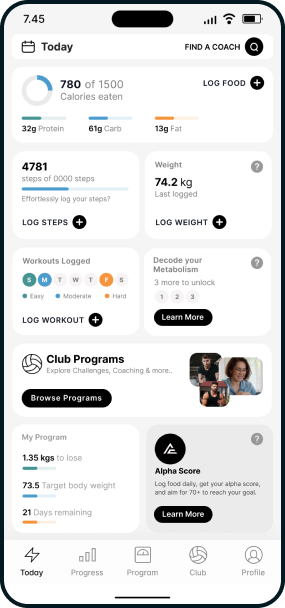
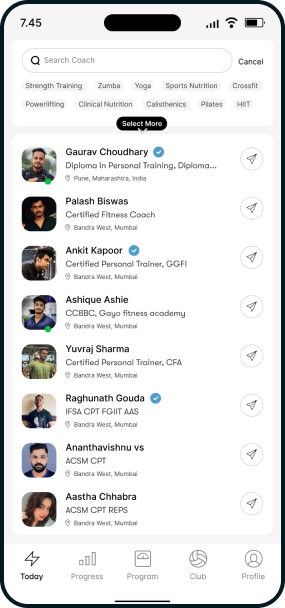
Most people walk out of a health checkup with a long PDF full of numbers and no clarity. The value of testing lies in interpretation and follow-through. Alpha Coach helps convert those markers (sugar, triglycerides, thyroid, and vitamin deficiencies) into simple weekly habits that fit your lifestyle. A report shouldn’t sit in your inbox. It should help you train better, eat smarter, and improve your energy throughout the year.
FAQs
 9
9











Leave a Reply