

 1132 views
Soya chunks have earned a strong reputation in Indian households as a “protein food.” They appear in vegetarian meal plans, gym diet charts, hostel mess menus, and weight-loss recipes. For many people who don’t eat eggs or chicken, soya chunks feel like the obvious solution to the protein problem.
But the uncomfortable truth is that most people who eat soya chunks regularly don’t actually know how much protein they’re consuming.
A bowl of soya chunk sabzi looks protein-rich. A plate of pulao with soya chunks feels filling. But protein intake isn’t about how food looks. It’s about quantities, cooking methods, and serving sizes. That’s where confusion creeps in, especially when people read numbers like ‘protein in soya chunks per 100g’ without understanding what that means on a real plate.
In many Indian homes, soya chunks are added once or twice a week with the assumption that they automatically “fix” protein intake. In reality, whether they help or not depends entirely on how much is used, how they’re cooked, and how they fit into the rest of the day’s meals.
Below, we will try to share a practical explanation of how much protein is in soya chunks, how cooking changes the numbers, and how to actually use them for muscle gain, weight loss, or general health.
Protein in Soya Chunks per 100g
Let’s start with the number most people are searching for.
Protein in 100 gm soya chunks is approximately 50–55 grams.
This value refers to dry soya chunks, not boiled or cooked ones. At this level, soya chunks are considered a very high-protein food, especially compared to most vegetarian options. Very few plant-based foods provide this much protein per 100g.
Most of the calories in soya chunks come from protein itself, not fat. That’s why they’re often recommended when someone wants to increase protein intake without dramatically increasing calories.
However, this number only makes sense when you understand what happens once the chunks are cooked and served.
Nutrition Snapshot of Soya Chunks per 100g
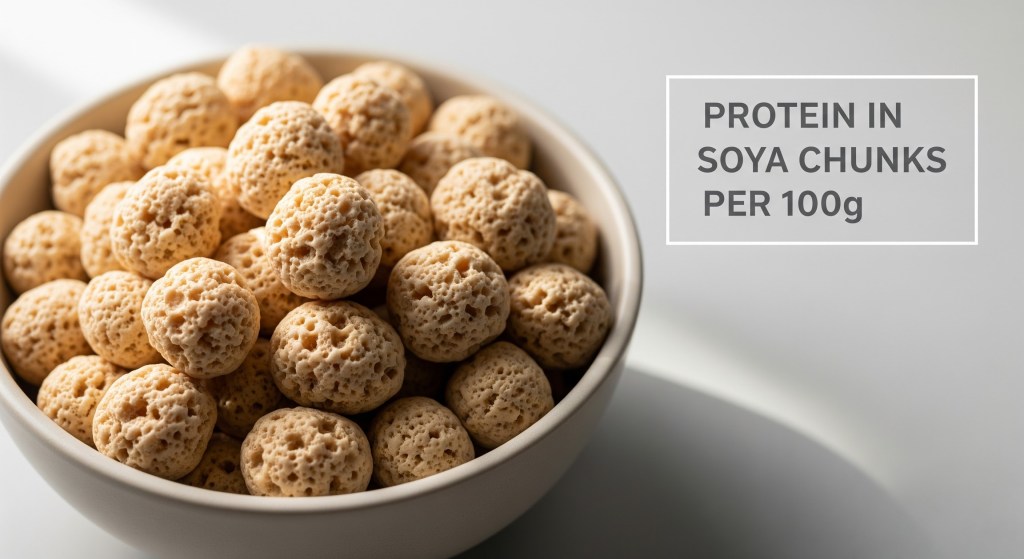
To put the protein content into context, here’s a simple nutrition snapshot.
Per 100g dry soya chunks (approximate values):
Protein: 50–55 g
Calories: ~340–350 kcal
Carbohydrates: ~30 g
Fats: ~0.5–1 g
Fibre: ~10–13 g
This combination explains why soya chunks are filling and why even small dry quantities expand into large-looking portions once cooked. The fibre and protein slow digestion, which is useful for satiety, but also contributes to visual confusion around portion size.
What Happens to Protein When Soya Chunks Are Boiled?
A very common question online is about the protein in soya chunks per 100g boiled.
When soya chunks are boiled, they absorb a large amount of water. Their weight increases significantly, sometimes two to three times. Because nutrition values are calculated per 100g by weight, the protein number appears much lower after boiling. A well-documented effect of cooking on nutrient values has been seen across many foods that absorb water during cooking. This does not mean protein is destroyed or lost.
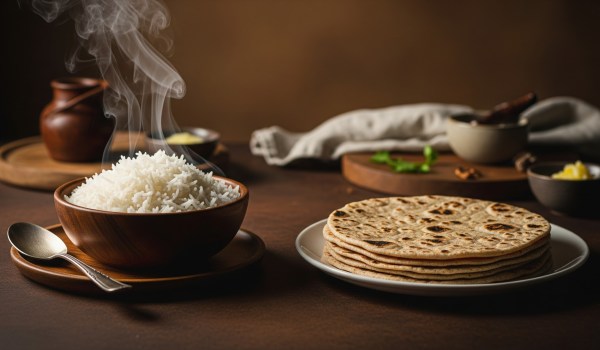
Think of it the same way you would think about rice. One hundred grams of raw rice and one hundred grams of cooked rice have completely different calorie values because cooked rice contains water. The same principle applies here.
If you start with 50g of dry soya chunks, the amount of protein in soya chunks remains the same after boiling. Only the weight changes. Understanding this distinction prevents one of the most common mistakes people make when estimating protein intake from cooked foods.
Protein in Soya Chunks per Serving Size (What You Actually Eat)
This is where most real-world confusion comes from.
People read about protein in soya chunks per 100g, but very few people eat 100g of dry soya chunks in one sitting.
How much protein is in 50 gm soya chunks?
50 grams of dry soya chunks provide roughly 25–27 grams of protein.
This is a realistic portion size for a single meal and already a solid protein contribution, especially for vegetarians. It’s roughly equivalent to the protein in four to five eggs or a moderate portion of paneer.
How much protein is in 100 gm soya chunks?
If consumed dry, it provides around 50–55g of protein. Once cooked, that same portion may look like a very large bowl. The protein content hasn’t increased; only the volume has.
This visual expansion is why many people assume they’re eating “a lot” of protein when, in reality, the dry quantity used may still be small.
Why Protein From Soya Chunks Matters in Vegetarian Diets
Soya chunks aren’t just high in protein. They also provide complete protein, meaning they contain all essential amino acids.
In Indian vegetarian diets, many foods contribute protein in small amounts, but few are concentrated. Dal, roti, rice, and vegetables all add up, but reaching higher protein targets often requires large portions. Soya chunks help bridge that gap by offering more protein without excessive calories.
They’re also quite filling, which helps control overeating. That said, digestion and tolerance vary. Some people feel better spreading protein intake across the day instead of relying heavily on one food in one meal. Variety generally leads to better consistency and results.
Is Soya Chunk a Good Protein Source Compared to Other Foods?
Compared to common protein sources:
Eggs provide excellent-quality protein but less protein per 100g than dry soya chunks.
Paneer is satisfying but significantly higher in fat and lower in protein density.
Dal is nutritious but requires much larger portions to match the protein content of soya chunks.
Chicken offers comparable protein quality, but soya chunks remain one of the most efficient vegetarian alternatives.
In short, soya chunks are effective and economical, but they’re not superior in every context. They work best as part of a broader protein strategy.
How to Eat Soya Chunks to Increase Protein Intake
This is where many people go wrong.
Soya chunks are often overcooked, drowned in oil, or eaten in unpredictable quantities. That reduces their usefulness and sometimes causes digestive discomfort.
A practical approach looks like this:
- Use around 50g of dry soya chunks in one meal
- Boil properly and squeeze out excess water before cooking
- Avoid heavy masalas and deep frying
- Pair with other protein sources like curd, dal, or paneer
- Spread protein across meals instead of loading one large serving
Many digestive complaints around soya chunks come from overeating them in one meal or combining them with very oily preparations. Keeping portions moderate and preparation simple usually makes a noticeable difference.
Who Should Eat Soya Chunks Regularly and Who Should Limit Them
Soya chunks can be especially useful for:
- Vegetarians struggling to meet protein targets
- Gym-goers looking for an affordable protein source
- People on calorie-controlled weight-loss diets
They may need moderation for people who notice digestive discomfort with soy or those relying on them as their only protein source. As with most foods, balance and variety matter more than frequency alone.
Protein per 100g vs Real Protein Intake
This is where many people feel stuck despite “eating healthy.”
A typical Indian meal might include roti, rice, sabzi, dal, and some soya chunks. On paper, that sounds protein-rich. In practice, the actual protein may still fall short because most of the plate is carbohydrates and water weight.
Visual estimation fails because cooked foods expand, gravies add bulk, and portion sizes vary daily. This is one reason people plateau in fat loss or muscle gain despite feeling consistent with their diet.
Knowing ‘protein in soya chunks per 100g’ only helps when it’s translated into real serving sizes and total daily intake.
Tracking Protein Accurately with Indian Foods
Manually calculating protein from Indian meals is difficult. Ingredients overlap, recipes differ, and cooked weights distort numbers.
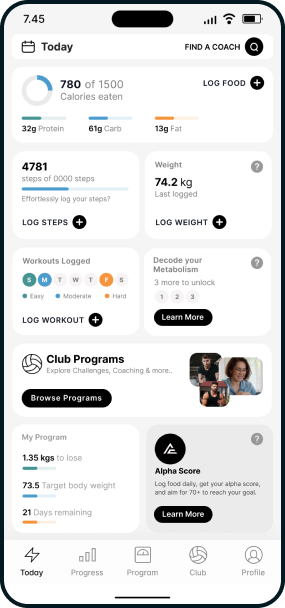
Using a food calorie and protein calculator removes guesswork. It helps you see whether your daily protein intake is actually where you think it is, especially when foods like soya chunks are involved regularly.
Clarity here often explains stalled progress better than changing foods again and again.
If you’re trying to understand calories and macros across common Indian foods beyond just soya chunks, these may help:
- Indian Food Calories Chart (Roti, Rice, Idli, Dosa, Snacks & Exercise Calorie Burn)
- Healthy Party Snacks for Wedding Season: Festive Foods That Fit Your Macros
Data Transparency Note
Protein values mentioned are approximate and may vary depending on brand, preparation method, and portion size. Always distinguish between dry and cooked weight when estimating intake.
Use Soya Chunks Smartly, Not Blindly
Soya chunks are neither a miracle food nor something to fear. When you understand how much protein is in soya chunks, how cooking affects the numbers, and how much you’re actually eating, they become a practical and powerful addition to a balanced diet.
If your goal is to improve protein intake without assumptions or guesswork, tracking matters more than opinions.
Use the Alpha Coach Food Calorie Calculator to log Indian foods accurately, understand real protein intake, and make food decisions that actually support your goals.
Frequently Asked Questions About Protein in Soya Chunks
 1
1











Leave a Reply