
 1065 views
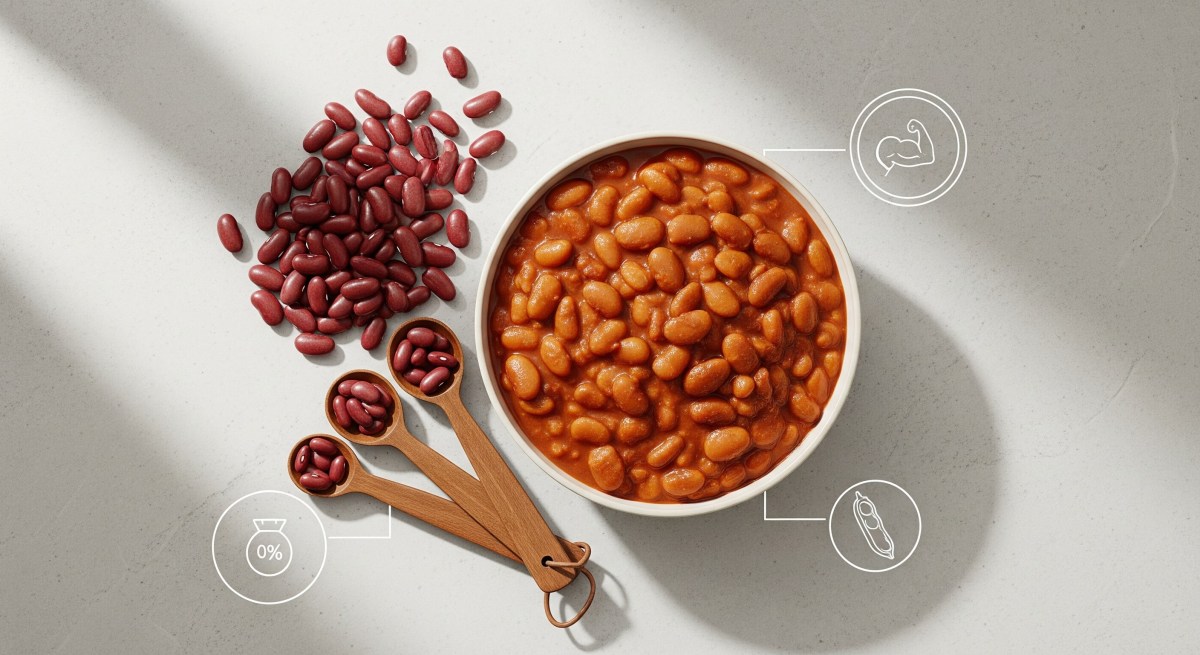
Rajma is one of those foods that Indians assume is automatically “high protein.” It’s comforting, filling, and often seen as a great vegetarian source of protein; especially for people who don’t eat eggs or meat. But how much protein does rajma actually have? And does protein in rajma change depending on how you cook it?
The quick answer: rajma has a decent amount of protein, but not as much as most people think. The real number depends on whether you’re looking at protein in 100 gm rajma, protein in boiled rajma, or protein in 1 bowl of rajma.
This article breaks down everything you need to know: accurate protein numbers, complete nutrition, digestibility, GI, weight-loss benefits, safety, portion sizes, and the most common FAQs, all backed by research.
Protein in Rajma: Raw, Cooked & 1 Bowl
If you’ve ever Googled how much protein in rajma, you’ve probably seen confusing numbers. Some websites quote the raw value, some list cooked values, and some even include rice in the calculation. To clear things up, here are the accurate, research-backed numbers for protein in rajma, explained in simple terms.
Protein in 100g Raw Rajma
Raw rajma is nutrient-dense because it contains no water.
Protein: 22–24g per 100g
This high number often leads people to believe rajma is a “high protein” food. But remember: no one eats raw rajma. This value only represents protein in rajma beans before cooking and is useful for comparison, not consumption.
Protein in 100g of Boiled Rajma
Once rajma is cooked, things change. The beans absorb 2–3 times their weight in water. While total protein stays the same, the weight increases, so the protein gets diluted.
Protein: 8–9g per 100g boiled
That’s why the protein in 100g cooked rajma is much lower than the raw number. This is the figure that matters for real-life eating.
Protein in 1 Bowl of Rajma
Most of us don’t measure rajma in grams; we eat it by the bowl. A regular bowl of thick, home-style cooked rajma usually weighs about 150–170g, which gives you roughly 12–15g of protein.
This is the number that matters most for everyday eating and directly answers the common question: how much protein is in 1 bowl of rajma?
Protein in Rajma Chawal (1 Full Plate)
Here’s what a standard plate looks like:
- 1 bowl rajma: ~14g protein
• 1 bowl rice: ~3–4g protein
Total protein: 17–18g per plate
This combination isn’t just satisfying; rajma and rice together form a complete protein, because rajma is low in methionine while rice is rich in it. That balance gives your body all the essential amino acids it needs.
Is Rajma High in Protein? Real Comparison
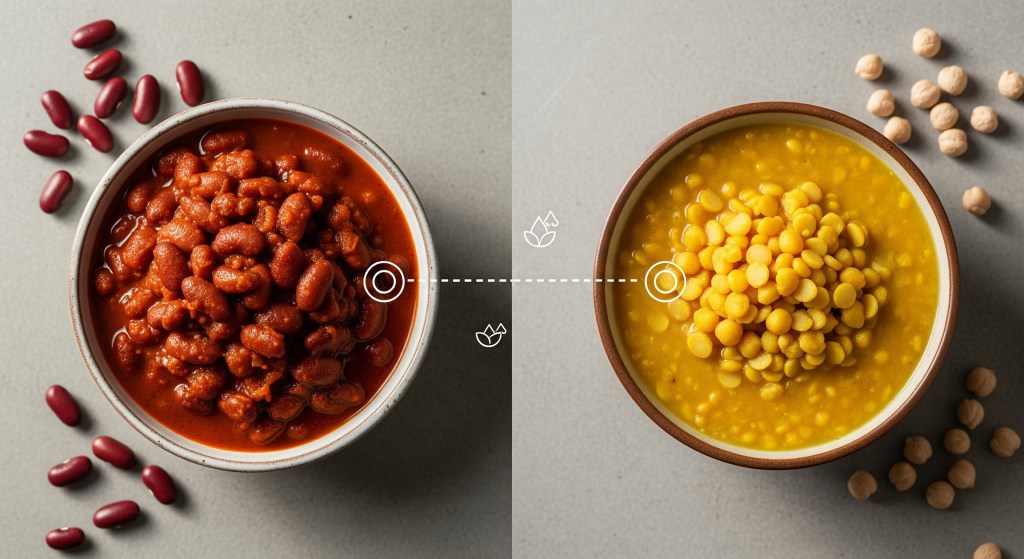
The internet often claims rajma is a “high protein” food. In reality, rajma is a moderate protein. It’s excellent for vegetarians, but not in the same league as paneer, tofu, chicken, or eggs.
Here’s how it compares:
So if you are trying to answer, is rajma high in protein, then the answer is no, it’s in the moderate category, similar to other legumes. It’s still a valuable protein source for vegetarians when eaten in the right portions.
Full Nutrition Profile of Boiled Rajma (Per 100g)
What stands out is the fibre, iron, potassium, and folate. This makes rajma excellent for digestion, heart health, and energy.
Amino Acids & Protein Quality
Rajma has a good amino acid profile, but it isn’t a complete protein on its own. It’s rich in lysine, which your body needs for muscle repair, but it’s low in methionine and cysteine, two other essential amino acids. That’s why its protein quality score (PDCAAS) is around 0.68–0.75; decent, but not perfect.
This makes rajma a good but incomplete plant protein. Pairing it with grains like rice or millets improves amino acid balance.
If you’re exploring a fully plant-based diet, this is where combining foods matters. For deeper guidance, read our article: On a Vegan Diet? Here’s How to Get Enough Vegan Protein.
Science Box: Lectins, Safety & Digestibility
Rajma is one of the few Indian foods that absolutely must be cooked correctly. The reason is simple: raw kidney beans contain a natural compound called phytohemagglutinin, a lectin that can trigger severe nausea, vomiting, and stomach pain. In fact, even a handful of raw or undercooked beans can cause symptoms.
Fortunately, the solution is straightforward. Boiling rajma vigorously for 30–40 minutes or pressure cooking it for 3–4 whistles destroys more than 99% of these lectins, making the beans completely safe to eat. What you must avoid is slow-cooking kidney beans as slow cookers don’t reach the temperatures needed to break down lectins, and several international food-poisoning cases have been linked to this.
Another common issue people face is rajma that simply refuses to soften. This usually has nothing to do with your cooking skills. Old beans, hard water, and insufficient soaking can all prevent proper softening, no matter how long you cook them. A good 8–12 hour soak is the easiest fix. To check if rajma is fully cooked, just press a bean between your fingers; it should mash easily with no chalky centre.
Rajma also has a reputation for feeling “heavy” or causing gas. This isn’t the bean’s fault; it’s the oligosaccharides, a type of carbohydrate that ferments in the gut. Soaking reduces these compounds, and pressure cooking helps even more. If you’re sensitive, adding spices like hing, ajwain, ginger, or jeera can further ease digestion without affecting nutrition.
Home-cooked rajma is generally lighter and easier to digest than restaurant versions, which often contain more oil and salt. For weight loss or diabetes management, sticking to homemade preparations gives you far more control.
Is Rajma Good for Weight Loss?
Absolutely! Rajma is one of the best vegetarian foods for fat loss. Its high fibre content slows digestion and keeps you full for hours, while the resistant starch improves gut health and stabilises appetite. Because rajma has a low calorie density, you can eat a satisfying portion without blowing your calorie budget.
Legume studies consistently show that meals like rajma help reduce hunger at the next meal too. A balanced lunch with rajma-chawal can actually support a controlled-calorie day, provided you keep portions sensible and don’t rely on oily restaurant-style preparations.
Is Rajma Good for Diabetes?
Yes, rajma works extremely well for blood sugar control. Boiled rajma has a glycaemic index (GI) of just 29, which means it releases glucose very slowly. Even when paired with rice, the overall GI of rajma-chawal stays around 55–60, depending on how much rice you add.
For diabetics, a portion of ½–1 bowl is ideal. The combination of protein, fibre, and slow-digesting carbs helps prevent sharp insulin spikes and keeps energy steady.
How Much Rajma Should You Eat Daily?
The “right” amount depends on your goal:
- Weight loss: 1 bowl (150–170g cooked)
- Muscle gain: 1–1.5 bowls
- Diabetes: ½–1 bowl
- General health: ¾–1 bowl
- Total weekly frequency: 3–5 times
Rajma fits comfortably into most Indian diets, especially when paired with vegetables and other protein sources.
How to Cook Rajma for Maximum Nutrition & Minimum Gas
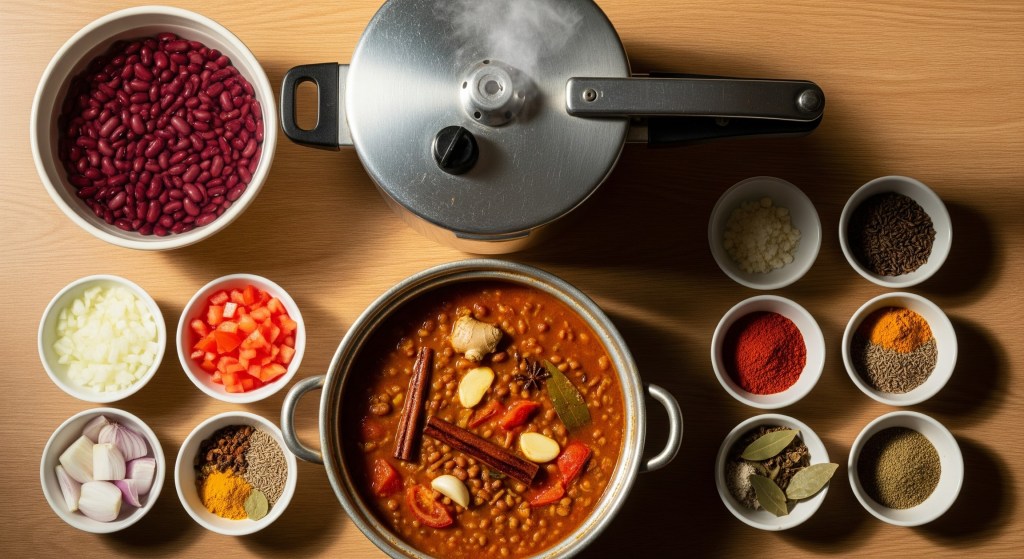
Getting rajma right is mostly about preparation. A little care before cooking makes the beans softer, easier to digest, and nutritionally more accessible.
- Soak 8–12 Hours
Soaking reduces gas-causing oligosaccharides and mineral-binding phytates. Always discard the soaking water. It holds the compounds that cause heaviness. Don’t soak rajma for more than 14–16 hours, or it may begin to ferment. - Cook with the Right Method and Timing
Boil vigorously for 30–40 minutes or pressure cook for 3–4 whistles, depending on quantity. Add salt only after the beans start to soften, as adding it too early tightens the skin and slows down cooking. Use 3–3.5 cups of water for every cup of soaked rajma for the perfect creamy texture. If your rajma still feels firm after cooking, add ½ teaspoon baking soda and simmer for a few minutes; it softens quickly without affecting taste.
- Add Digestion-Friendly Spices
Hing, ginger, ajwain, and jeera help break down difficult-to-digest carbohydrates. They won’t change the protein content but make the meal feel much lighter and easier on the stomach. - Storage & Reheating Tips
Cooked rajma thickens as it cools, so add a little water while reheating to restore texture. In the refrigerator, rajma stays fresh for 24–36 hours. It also freezes beautifully for up to two months; just avoid freezing versions with cream or heavy masala.
Portion & Protein Table
The following table addresses popular searches like protein in 100 gm rajma, protein in rajma per 100g, protein in boiled rajma, and protein in 1 bowl of rajma.
| Quantity | Protein | Notes |
| 50g dry | ~11–12g | Good for a small serving |
| 100g dry | 22–24g | Before soaking |
| 100g cooked | 8–9g | Standard macro listing |
| 1 bowl (150–170g) | 12–15g | Typical home portion |
| 1 plate rajma-chawal | 17–18g | Balanced meal |
Conclusion
Rajma may not be the “high protein” food people assume, but it is still one of the most nutritious, filling, and affordable vegetarian protein sources in India. With 12–15g of protein per bowl, a low GI of 29, plenty of fibre, and excellent micronutrients, rajma works well for weight loss, diabetes control, muscle building, and overall health, as long as it’s cooked properly.
For vegetarians and vegans, it’s an essential part of a balanced protein strategy.
Want to check calories and macros for rajma-based dishes or any other Indian food?
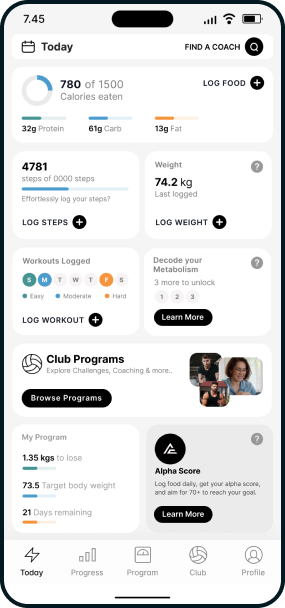
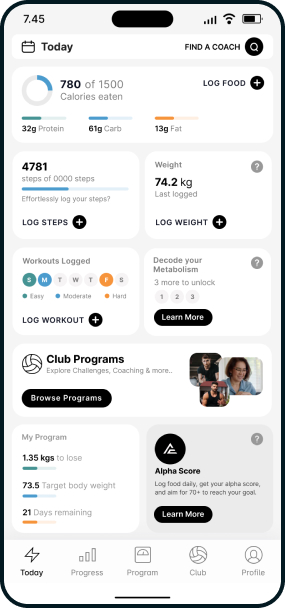
Use the Alpha Coach Food Calorie Calculator, our web-based tool with verified nutrition for thousands of Indian dishes.
FAQs
 2
2








Leave a Reply