

 855 views
Introduction to Zero Calorie Foods
Zero calorie foods sounds like a dream, right? The idea of eating without worrying about calories seems too good to be true, right? but there’s actually a lot of practical merit to this concept. If you want to lose weight, stay fit, or simply eat healthier, the zero calorie foods list can be a great resource.
In today’s prevalent lifestyle, unhealthy foods are everywhere, making it very easy to overeat without even realizing. That’s where zero calorie foods come in—they’re nutrient-dense and low in calories, allowing you to eat without piling on the extra belly fat.
In this guide, we’ll explore what zero calorie foods really are, how they can benefit your diet, and how to add them to your meal plan. Let’s start by clearing up a common debate: “Do zero calorie foods really exist?” Technically, no- at least not in the broader sense this term is used. Everything has some amount of calories. But when we talk about foods that are among the lowest calorie foods (say 2 to 40 calories per serving), they are often referred to as food with zero calories. Practically speaking, these low calorie foods are called so as those miniscule calories have a very insignificant impact in the context of typical daily calorie intake range of 1,500-3,000 calories.
What are Zero Calorie Foods and How Do They Work?
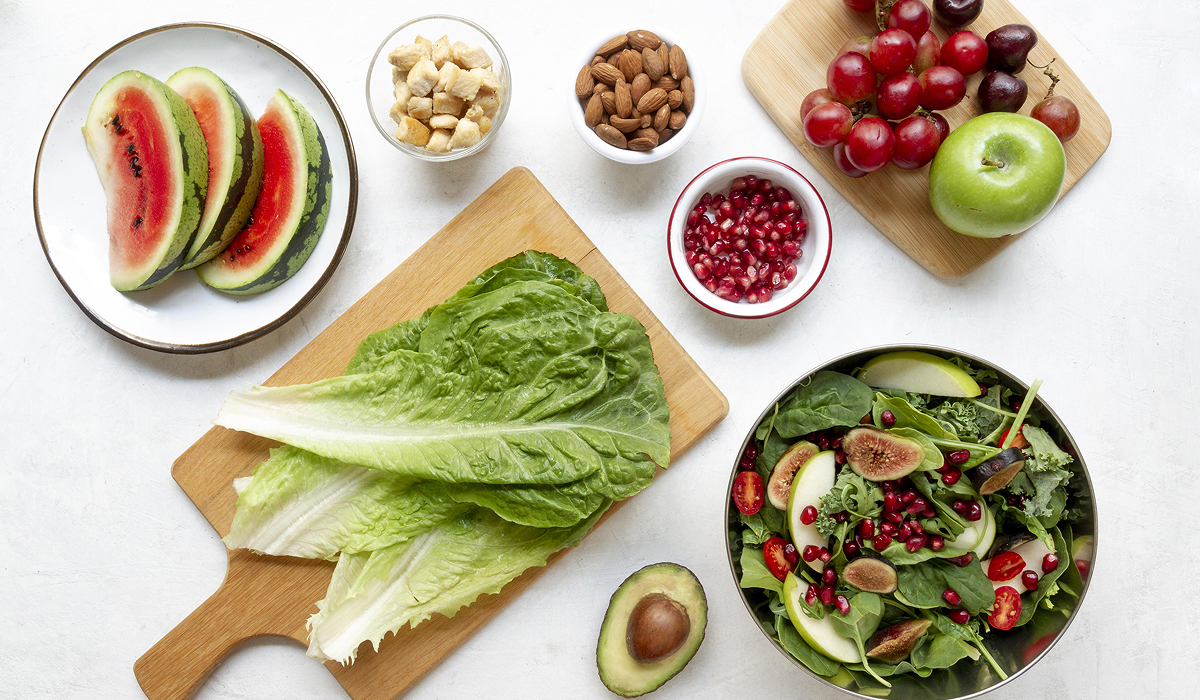
Zero calorie foods are foods that contain very few calories, often because they are packed with water, fiber, and essential nutritions. These foods provide minimal calories, which makes them ideal for anyone searching low calorie foods for weight loss or maintain a healthy diet without consuming too many calories.
The way zero or no calorie foods work is by helping you feel full and satisfied without adding much to your calorie count. Some even suggest that the body burns more calories to digest some of these foods than it brings in, i.e. ‘negative calorie foods’ or ‘calorie deficit foods’. While the idea of “negative calorie foods” is still up for debate, the bottom line is that these foods offer an easy way to stay full while sticking to your dietary goals.
Even if there’s no actual “negative calorie” effect, the benefits are clear. They help curb hunger and provide essential nutrients without the extra calories.
Benefits of Incorporating Zero Calorie Foods into Your Diet
Incorporating zero calorie foods into your diet comes with several health benefits and they are listed below:
1. Aids Weight Management and Weight Loss
By substituting high-calorie foods with zero calorie food for weight loss, you can create a calorie deficit that helps with weight loss or maintenance. It can also be a great tool for advanced fitness enthusiasts, making calorie counting a smooth task.
2. Improves Nutrient Intake
Many zero calorie foods are rich in vitamins, minerals, and antioxidants, providing important nutrients to support overall health.
3. Helps Hydration
Some low calorie fruits like watermelon and low calorie vegetables like cucumbers, are rich in water content and help keep you hydrated through the day.
4. Reduces Inflammation
Certain foods like leafy greens contain anti-inflammatory compounds that may help reduce inflammation in the body.
5. Promotes Healthy Digestion
Zero calorie foods are often high in fiber, which is great for digestion and supporting your good bacteria in the gut.
6. Boost Energy
These foods provide plenty of nutrients without weighing you down with excess calories, so you stay energized and focused through the day.
Zero or Low Calorie Food List for Weight Loss
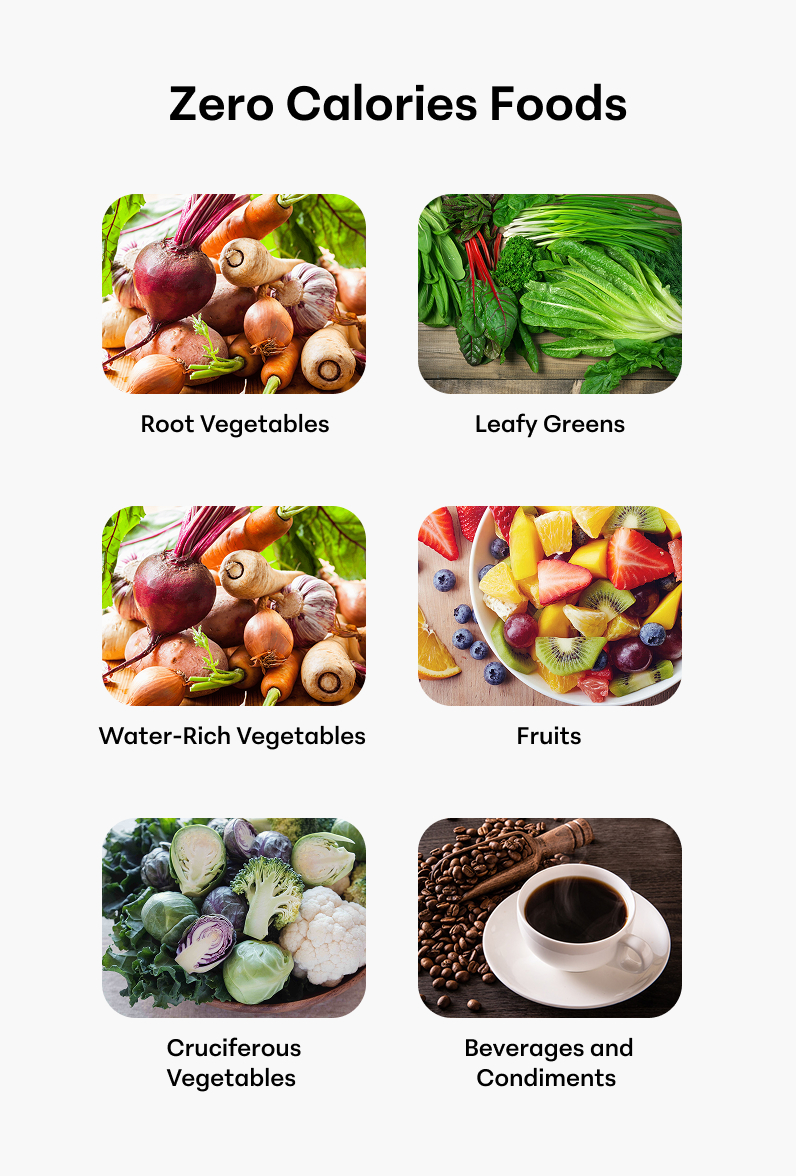
So, what are some of the top zero calorie foods? Here’s a Zero calories food list of some of the best options:
Root Vegetables
Carrots, radishes, turnips—these are great choices. They’re full of vitamins and fiber but have very few calories. These can be consumed raw or cooked in a variety of dishes.
Leafy Greens
Spinach, kale, arugula, romaine lettuce—these leafy greens are not only low in calories, but they’re also full of antioxidants and nutrients. They’re great for salads, sandwiches, or smoothies.
Fruits
Fruits like citrus fruits, watermelon, grapefruit, apple and berries are high in water content and low in calories, making them an excellent way to satisfy a sweet craving without adding much to your calorie count.
Water-Rich Vegetables
Cucumbers, celery, and tomatoes are all water-rich foods that provide hydration while being very low in calories. They’re also high in fiber and essential nutrients. They keep you satiated as well and help in portion control.
Cruciferous Vegetables
Broccoli, cauliflower, and Brussels sprouts are excellent low calorie foods. These vegetables are rich in fiber and antioxidants and can be used in a variety of ways- raw, grilled or roasted.
Beverages and Condiments
Drinks like black coffee, herbal teas, and water are great low-calorie food options, along with herbs, spices, and condiments like mustard and pickles that are often considered “zero calorie” foods.
Zero Calorie Food Alternatives and Substitutes
Sometimes, we tend to crave certain foods that are higher in calories. Here are some zero calorie alternatives that can help satisfy those cravings without the added calories:
Zero Calorie Noodles
Shirataki noodles (made from konjac root and less than 10 calories) and zucchini noodles (zoodles) are excellent alternatives to traditional pasta. They have a similar texture but are much lower in calories.
Zero Calorie Snacks
Cucumber slices with hummus, a handful of fresh berries and Popcorn (non– buttery or oily), are examples of some low calorie snacks. These options are filling and nutritious without being high in calories.
How to Use Zero Calorie Foods in Meal Planning
Including zero calorie foods into daily meals doesn’t have to be too difficult. Here are some practical tips:
Substitute High-Calorie Ingredients
Use Shirataki or zucchini noodles instead of pasta or opt for veggie-based sauces instead of creamy ones. This allows you to enjoy the flavors even with the lowest calorie foods.
Start Meals with Zero Calorie Foods
Create a meal around zero calorie foods like a large salad or a stir-fry with leafy greens and cruciferous vegetables. Then add lean proteins, healthy fats, and whole grains to round out the meal. This method results in satiety, portion control and reduces cravings for simple carbohydrates. It also helps in blood sugar control and addresses insulin spikes.
Snack Smartly
Keep healthy low calorie snacks like raw vegetables, fruits, popcorn on hand. These calorie free snacks will help curb your hunger between meals without loading excess calories.
Hydrate with Zero Calorie Drinks
Instead of sugary beverages, drink low calorie beverages like water, herbal tea, or infused water. These drinks are great for hydration and avoid unnecessary calories.
The Common Myths About Zero Calorie Foods
As with any dietary trend, there are a few misconceptions about zero calorie foods. Let’s clear those up:
- Myth: Zero Calorie Foods are low in nutrients: While some zero calorie foods may be low in certain nutrients, many are actually rich in nutritional value of essential vitamins, minerals, and antioxidants that support overall health.
- Myth: You Can Eat Unlimited Zero Calorie Foods: Even though zero calorie foods are low in calories, moderation is still important. Overeating any food, even low-calorie ones, can have negative effects, e.g. sugar from excessive fruits.
- Myth: Zero Calorie Foods are a Substitute for a Healthy Lifestyle: Zero calorie foods can help you manage your weight, but they aren’t a substitute for a balanced diet and regular exercise. They should complement, not replace, a healthy lifestyle.
The Bigger Picture: Balance, Diet, and Exercise
While zero calorie foods can be helpful, they are just one piece of the puzzle. A well-rounded approach to nutrition should include a variety of foods high in nutrient density, regular physical activity, and healthy habits.
Zero calorie foods can provide satiety, thereby helping manage hunger and calorie intake, but they shouldn’t be the only or primary focus of your diet. By combining these foods with other healthy choices and exercise, you’ll be setting yourself up for success. To illustrate- If you only have zero calorie foods, you’ll miss out on macronutrients like protein and good fats. This can cause several long term health issues like muscle atrophy and lower metabolic rate. Remember, calories or energy density are not villains- your body needs that too. It is the excess calories one needs to address- and Zero calorie food is a weapon you use to manage your overall calorie intake.
Quick and Easy Zero Calorie Recipes to Include in your Meal Plan
Here are a few simple recipes that make use of zero calorie foods:
- Zucchini Noodle Stir-Fry: Swap traditional noodles for zucchini noodles and stir-fry with garlic, ginger, and your choice of vegetables. It’s light, flavorful, and low-calorie.
- Roasted Cauliflower and Broccoli Salad: Roast cauliflower and broccoli, toss with some nuts and a sprinkle of Parmesan for a satisfying salad that’s full of nutrients.
- Watermelon and Cucumber Gazpacho: Blend watermelon, cucumber, and lime juice for a refreshing, hydrating chilled soup that’s perfect for hot days.
- Spinach and Strawberry Salad: Combine fresh spinach, strawberries, and a simple balsamic dressing for a light and refreshing salad that’s rich in vitamins and antioxidants.
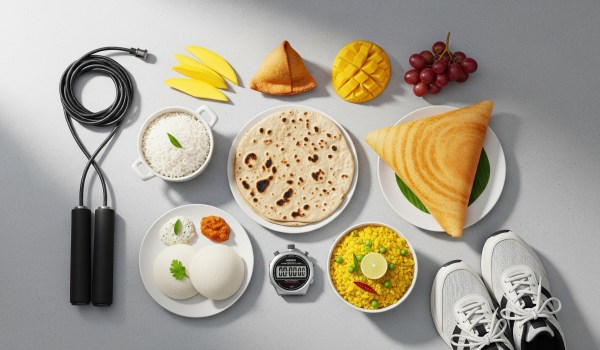
- Suji Idli: Craving idli but short on time? Suji idli is your answer! This quick and easy version, made with semolina (suji), is a less calorie and healthy alternative to traditional rice idli. Perfect for lunchboxes, picnics, or even travel, especially when you add a touch of eno for extra fluffiness.
Conclusion
Zero calorie foods can be a great addition to any diet. They help you stay full, hydrated, and nourished while supporting your weight management goals. By adding these low-calorie options to your meals, you can enjoy tasty, satisfying food without overloading on calories.
That said, it’s important to maintain a balanced diet and stay active for overall health. Zero calorie foods should be part of a well-rounded approach to nutrition and wellness. When used in combination with other healthy habits, they can play a key role in helping your metabolism and achieve your health and fitness goals.
Interested to know more about list of foods that have zero calories, myths, recipes or health tips? Drop a comment below!
Here are some relevant blog posts you should also read –
- On a Vegan Diet? Here’s How to Get Enough Vegan Protein
- Is the Weight-Loss Approach Based on Calorie Deficit Incorrect?
- Understanding the key to weight-loss : Energy Balance
 0
0








Leave a Reply