

 247 views
If you’ve ever cracked open a chilled coconut on a sweltering afternoon in India, you know the magic. One sip and suddenly the heat doesn’t feel so cruel. But coconut water is more than just a “holiday drink” you grab at a beach shack in Goa. These days, it’s plastered on gym counters, airport kiosks, and even celebrity Instagram stories. Marketed as nature’s sports drink, it’s rich in electrolytes, antioxidants, and nutrients.
But here’s the real question: Does it live up to the hype? And what happens if you drink it every day? Let’s dig into the science, the stories and the little myths along the way.
What exactly is coconut water?
Coconut water is the clear, slightly sweet liquid inside young, green coconuts—usually harvested at around 5–7 months. Unlike coconut milk (which is made from the flesh), coconut water is naturally low in fat and calories. Think of it as the coconut’s way of feeding itself while it grows.
A single cup (240 ml) gives you:
- About 45 calories
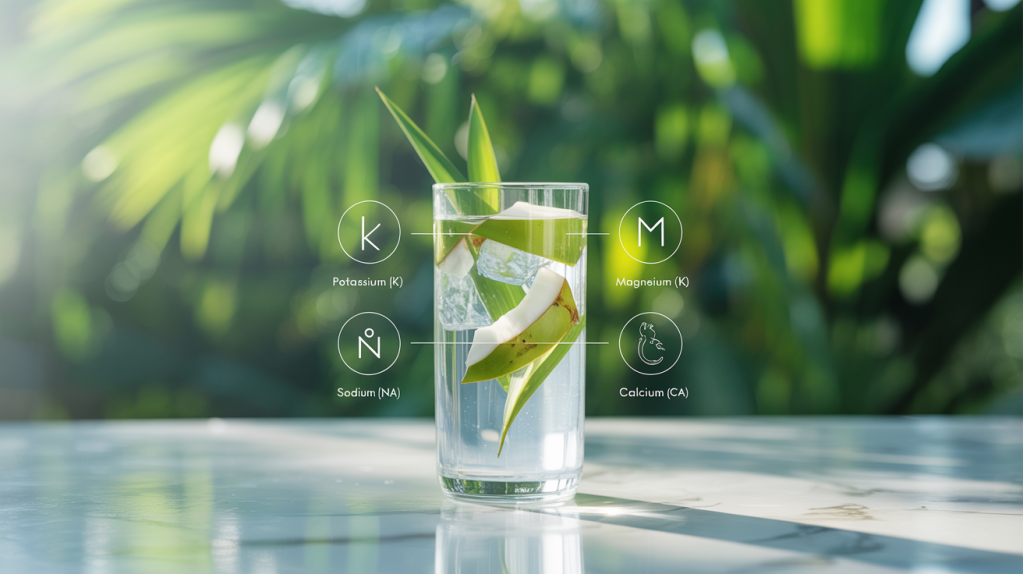
- Electrolytes: potassium, sodium, magnesium, calcium
- Natural sugars for quick energy
- Antioxidants and amino acids
It’s essentially a ready-made hydration drink, without the artificial colours and sugar dumps of commercial beverages.
Why Coconut Water is Gaining Popularity

So why is coconut water suddenly everywhere? Let’s be honest, it’s not like coconuts have just fallen from the sky in recent years. Indians have been drinking it for centuries. But its global makeover happened when health and fitness trends collided with celebrity culture.
1. Celebrity endorsements: From Bollywood stars to international athletes, coconut water became the “cool kid” of wellness drinks. If a cricketer is sipping tender coconut on camera, you can bet sales will spike.
2. Urban lifestyle shifts: As people move away from aerated drinks and sugary juices, coconut water offers a cleaner alternative that is low-calorie, plant-based, and natural.
3. Global wellness wave: Just like quinoa and kale had their moments, coconut water joined the superfood club. Walk into a yoga studio in a city like Mumbai and you’ll likely find coconut water bottles stacked at reception.
Personal story: I still remember badminton practice as a kid, my mom sent me off with a steel dabba of nimbu paani. Today, kids show up with tetra packs of coconut water instead. The tradition hasn’t vanished, it’s just rebranded.
The Nutritional Power of Coconut Water
1. Hydration with Electrolytes
Electrolytes are essential minerals that maintain fluid balance, muscle function, and nerve signalling. Coconut water is especially rich in potassium, often containing more than a medium banana. This makes it particularly effective for rehydration after workouts, long days in the sun, or mild dehydration.
2. Low-Calorie Natural Drink
Unlike sugary sports drinks that often contain artificial additives, coconut water is naturally sweet but with significantly fewer calories. This makes it a smart choice for those aiming to manage weight or avoid unnecessary sugar spikes.
3. Antioxidant Properties
Research suggests coconut water contains antioxidants that may help reduce oxidative stress caused by free radicals. This contributes to overall wellness and may support recovery after physical exertion.
Coconut Water vs Sports Drinks and Juices
Commercial sports drinks are designed for athletes, but they often come with added sugars, flavours, and synthetic electrolytes. Coconut water, on the other hand:
- Provides natural electrolytes without added chemicals.
- Has less sodium compared to typical sports drinks (beneficial for most, though high-performance athletes may need additional sodium).
- Offers bioactive compounds beyond just hydration.
In short, for everyday hydration and light-to-moderate exercise recovery, coconut water can be a healthier choice.
Health Benefits of Coconut Water
1. Supports Heart Health
Potassium helps regulate blood pressure by countering sodium. Diets rich in potassium are linked to better heart health. A study found that increasing dietary potassium reduced heart failure risk by 24 %. And yes, one cup of coconut water delivers about 600 mg of potassium, even more than a medium banana. There’s also direct evidence showing coconut water can significantly lower systolic blood pressure in people with hypertension.
2. Aids Digestion and Metabolism
Coconut water contains natural digestive enzymes such as catalase and acid phosphatase (and others) that may support digestion and metabolism. These enzymes, along with their gentle acidity and hydrating nature, make it especially soothing after a heavy or spicy meal.
3. May Help Manage Blood Sugar
Magnesium in coconut water may improve insulin sensitivity. Animal studies indeed show better blood sugar control with coconut water intake. For instance, diabetic rats fed coconut water had improved glucose and oxidative stress markers. A more recent human study noted mild increases in blood glucose and insulin after consuming coconut water, typically returning to baseline within two hours, highlighting the importance of moderation, especially in prediabetic individuals.
4. Hydration During Illness
When you’re feeling under the weather with a fever or mild diarrhoea, coconut water helps. Studies show it can act like a natural rehydration solution, effectively replenishing fluids and electrolytes and even performing comparably to sports drinks in mild dehydration cases
Coconut Water and Weight Management
This is where it gets interesting. Coconut water isn’t a fat-burning miracle, but it can support weight goals in smart ways.
- Portion control matters: One cup = 45 calories. Five cups daily = 225 calories, which is basically a small sandwich.
- Helps curb sugar cravings: Swapping your daily cola (~140 calories) for coconut water saves nearly 1,000 calories per week. That’s equivalent to burning off three 40-minute runs.
- Choose fresh over packaged: Some brands sneak in sugar. Always check the label. For weight management, nothing beats fresh coconut water cut right in front of you at the market. It’s pure, natural, and free from hidden sugars or additives. Packaged versions may seem convenient, but fresh ensures you get the real hydration and nutrition your body needs.
Common Myths About Coconut Water
Despite its popularity, coconut water is sometimes surrounded by hype. Let’s separate fact from fiction:
- Myth 1: Coconut water is a miracle cure.
Reality: It’s nutritious but not a replacement for medical treatment. - Myth 2: It’s the best drink for all athletes.
Reality: For endurance athletes, extra sodium and carbs may be needed beyond what coconut water provides. - Myth 3: More is always better.
Reality: Excessive consumption can cause too much potassium (hyperkalaemia) in rare cases.
Who Should Drink Coconut Water and When?

Coconut water isn’t just a vacation drink with a straw sticking out of a green shell. It actually fits beautifully into everyday life if you know when to reach for it.
It works best for people who:
- Need quick hydration after sweating it out in the gym or on a long commute
- Want a lighter alternative to sugary juices or fizzy drinks
- People looking for a natural way to recover after feeling drained from travel or a mild illness
So when’s the right time to sip?
- After a workout: It helps replace lost electrolytes without the sugar overload of commercial sports drinks.
- On hot, humid days, nothing cools you down faster than a chilled tender coconut.
- As a mid-morning refresher: It’s light, hydrating, and won’t give you that heavy, post-snack slump.
- During recovery: Whether it’s mild dehydration from a fever or jet lag after a red-eye flight, coconut water can gently bring your fluid balance back.
Note: If you have kidney problems or are on a potassium-restricted diet, check with your doctor before making coconut water a daily habit.
How to Include Coconut Water in Your Diet
Coconut water isn’t just a tropical treat, it’s a natural way to stay hydrated, refreshed, and energised throughout the day. Packed with electrolytes and low in calories, it fits seamlessly into your routine. Here are some simple and tasty ways to include it in your diet.
- Morning Hydration: Start your day with a glass of fresh coconut water on an empty stomach. It wakes up your system gently and provides natural electrolytes.
- Post-Workout Drink: After a workout, swap artificial energy drinks for coconut water. It helps replenish lost fluids and minerals naturally.
- Smoothie Base: Blend it with fruits like berries, mango, or banana for a refreshing and nutrient-packed smoothie.
- Healthy Mocktails: Combine coconut water with lemon, mint, or fresh fruit slices for a light, low-calorie party drink.
- Travel Hydration: Keep it handy during long commutes or trips to beat fatigue and dehydration.
- Meal Companion: Pair it with salads, light snacks, or even spicy meals — it balances flavours while keeping you hydrated.
Conclusion
Coconut water is one of those rare drinks that’s both delicious and genuinely good for you. Packed with electrolytes, low in calories and gentle on digestion, it can support your overall wellness in simple but powerful ways. Whether you’re swapping out a sugary sports drink, keeping your weight in check, or just reaching for a healthier refresher, coconut water earns its place in your daily routine.
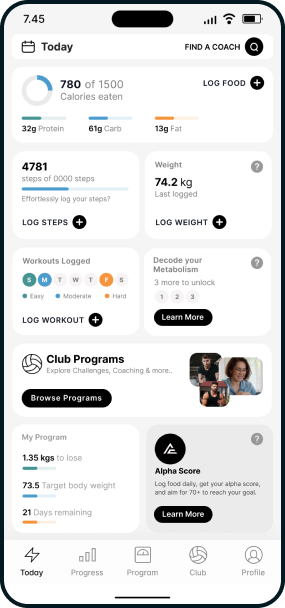
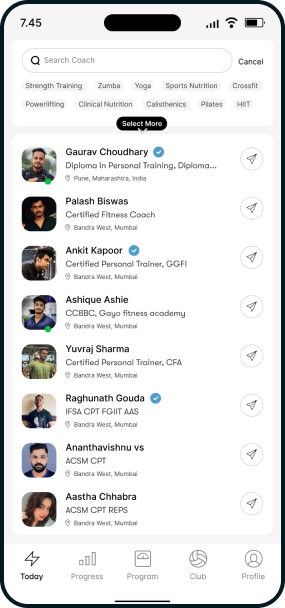
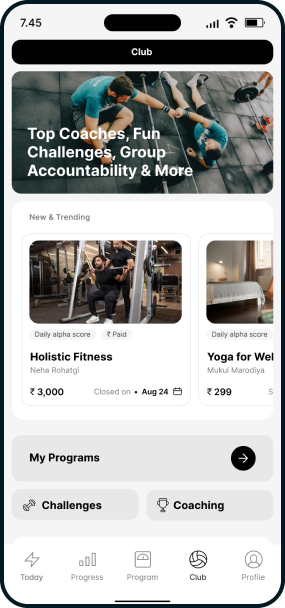
While enjoying coconut water once in a while is easy, building consistent nutrition habits is the real challenge. That’s where the Alpha Coach diet-coaching app comes in. It helps you go beyond one-off healthy choices by:
- Recording your meals effortlessly
- Tracking progress in a way that keeps you motivated
- Giving tailored insights so you don’t have to guess what’s working.
Think of coconut water as a small swap, and Alpha Coach as the system that helps you make dozens of such smart swaps every week, turning them into long-term habits. If you’re ready to make nutrition simple, structured, and sustainable, Alpha Coach can help you get there.
FAQs on Coconut Water
- What is Black Water? Benefits, Myths, and Safety Considerations
- Detox Water for Weight Loss – Ayurveda and Modern Science
- More Sweat Causes Weight Loss: Fact or Myth?
- Why Chia Seed Water Should Be Part of Your Daily Routine?
 0
0









Leave a Reply