
 468 views
Indian weddings have a rhythm of their own. The music starts before the guests arrive, the lights stay on long after the food counters close, and the party rarely wraps up without at least three rounds of snacks you didn’t even plan on eating. It’s fun, chaotic, and almost always centered around food. And if you’re trying to stay healthy or keep your macros somewhat in check, wedding season can feel like a test you didn’t sign up for.
Most people, though, tend to forget you don’t have to avoid the celebration to avoid guilt. There is a way to enjoy the food, pick smarter snacks, savour the moment, and still wake up the next morning without that heavy sense of “I ruined everything.”
This guide breaks down exactly what to eat at weddings to stay on track, how to choose healthy party snacks in real-life Indian settings, and the small changes that make the biggest difference, especially during back-to-back functions.
Why Wedding Season Makes Everyone Overeat
The spreads are huge. There’s food everywhere; chaat counters, tandoori grills, Indo-Chinese stalls, dessert tables, midnight snacks.
The timing is late. Most functions start after 7pm and dinner often happens after 10. When you stay hungry for too long, your body naturally overcompensates.
Social pressure is real. Aunties insisting, “Arre beta, try this,” friends dragging you to counters, waiters politely offering you a snack every ten minutes.Pressure builds, even if you came with good intentions.
You graze without realising. One kebab here, one tikki there, a sip of mocktail, a spoonful of chaat; the calories add up silently.
Weddings are designed for overeating. Understanding this makes it easier to navigate them without feeling deprived.
The Macro Basics: How to Balance Your Plate at a Wedding
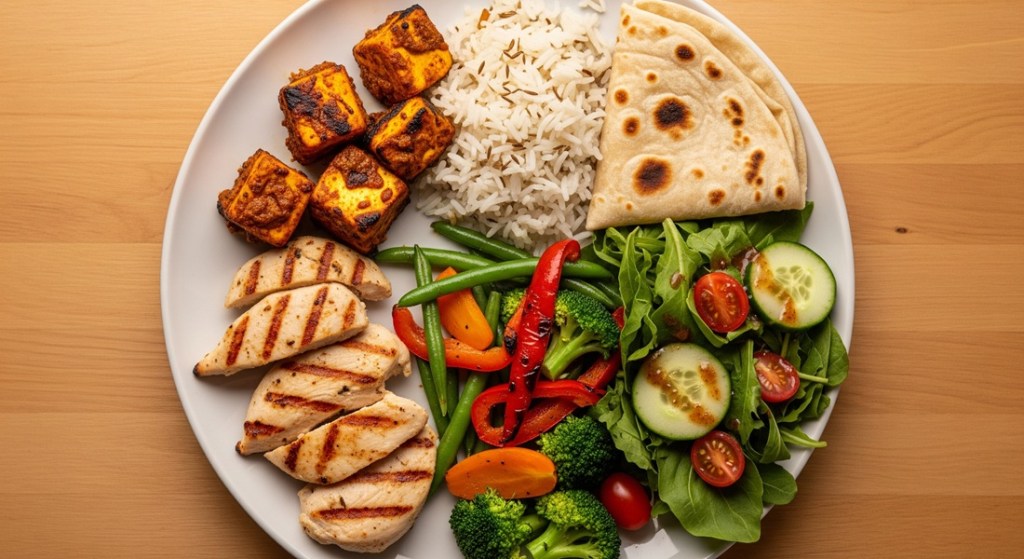
Weddings are tricky because you’re navigating a buffet spread that’s designed to tempt you from every corner. You don’t need to count macros or track every bite to stay in control. You just need to understand how the spread usually works.
- Protein slows down overeating.
Chicken seekh, paneer tikka, grilled fish: These fill you up quickly and keep cravings in check. If your first few bites are protein, you automatically take fewer fried snacks. - Carbs dominate most wedding plates.
Naan, biryani, noodles, potatoes: Delicious, comforting, and very easy to overfill your plate with. They’re not ‘bad’ but take up space that your body may not actually need. - Fat hides in places you don’t expect.
Cream-based gravies, rich chaats, deep-fried starters, mithai: All amazing, but incredibly calorie-dense. A little goes a long way.
If remembering all this feels overwhelming, rely on one simple rule that works everywhere:Start your round with protein.
Once you do that, you’ll be surprised how naturally everything else falls into place.
Smart Appetisers to Choose at Weddings
Here are actual wedding appetisers that work brilliantly:
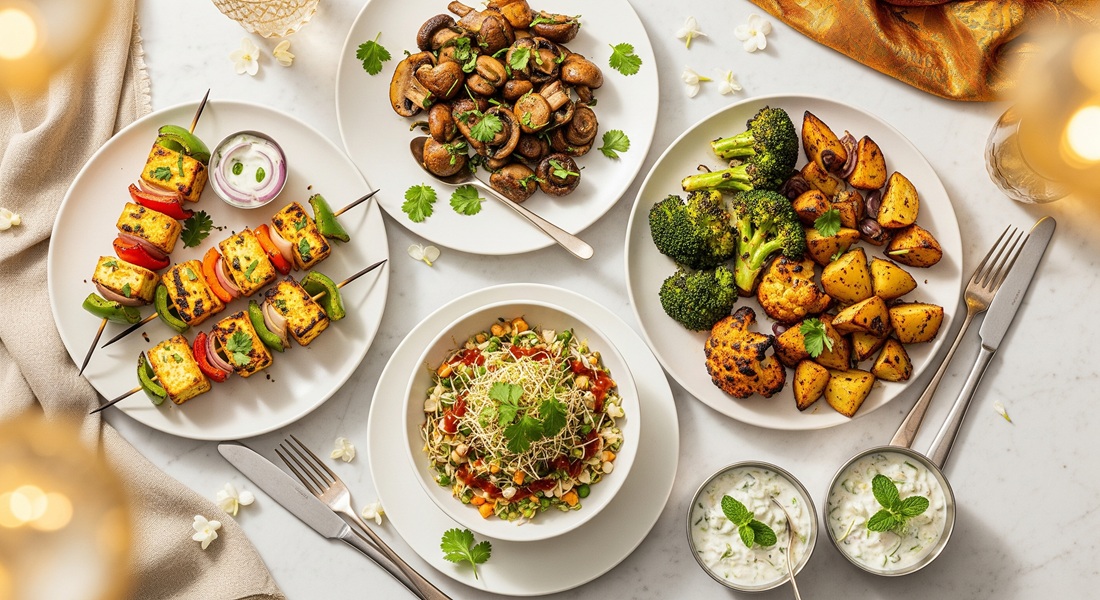
- Tandoori starters (always a safe bet)
• paneer tikka (ajwain, hariyali, malai)
• chicken tikka
• fish tikka
• soya chaap (tandoori or achari)
These are high-protein, satisfying, and use minimal oil compared to fried snacks. - Seekh kebabs (surprisingly macro-friendly)
• chicken seekh
• mutton seekh
• soya seekh
They look heavy but are usually roasted, not deep-fried. - Grilled or sautéed appetizers
• grilled mushrooms
• sautéed broccoli or baby corn
• stir-fried chicken
• chilli paneer (ask for low oil if it’s live-prepared) - Lentil & millet snacks (growing trend at weddings)
• moong dal chilla live counter
• millet cheese bites (air-fried)
• dhokla (fermented, light, great for digestion)
• appe/paniyaram-style savoury bites
These snacks work because they are: flavourful, festive, filling, not drenched in oil. You simply start with foods that treat your body better and help you enjoy the wedding without sleepiness or regret later.
Festive Snacks That Still Feel Indulgent (But Fit Your Macros)
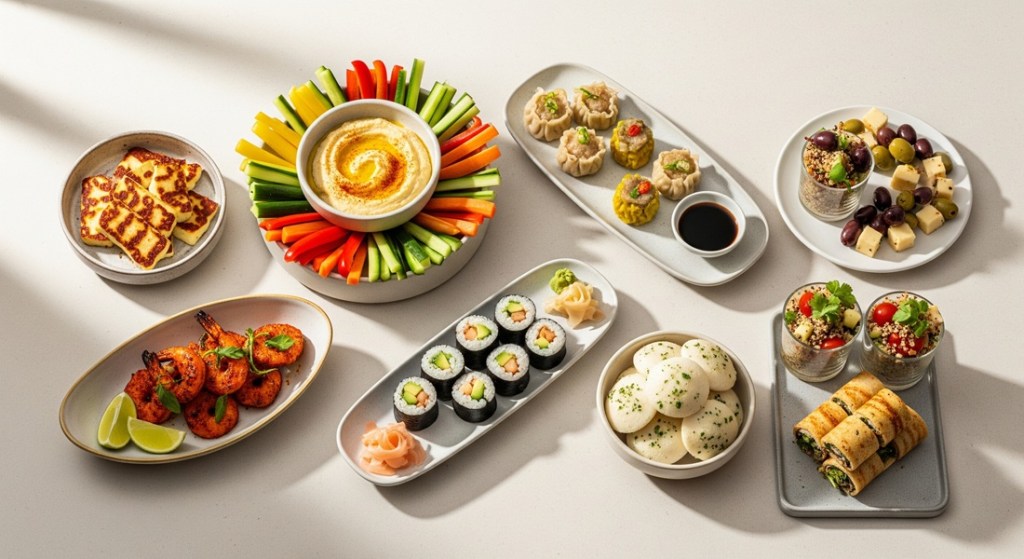
Modern Indian weddings aren’t just about paneer tikka and spring rolls anymore. The appetiser spread has expanded massively — live grills, global counters, fusion bites, and healthier twists are now everywhere. Here are indulgent options that still respect your macros:
1. Mediterranean & Middle Eastern Bites
These feel exotic but are naturally lighter.
• Hummus with veggie sticks or pita chips
• Falafel (air-fried or baked)
• Chicken shawarma from live carving stations
• Grilled halloumi or herb-roasted veggies
Mediterranean counters have become a major trend at premium weddings.
2. Pan-Asian Favourites
Pan-Asian counters serve some of the best macro-friendly snacks.
• Steamed dim sum (veg or chicken), skip the fried version
• Wok-tossed veggies or tofu
• Chicken / fish teriyaki skewers
• Sushi rolls (non-fried varieties)
These are light, flavourful, and filling.
3. Indian Live Grills Beyond Tikka
If you want Indian flavours without heaviness:
• Tandoori prawns
• Mutton boti (grilled)
• Soya seekh
• Bhutta kebab (corn-based, grilled)
These offer variety without repeating the usual tikka list.
4. South Indian & Regional Mini-Snacks
Often underrated but fantastic for macros.
• Mini idlis tossed in podi
• Paniyaram/appe with sambhar
• Ragi or millet dosa bites
• Uttapam squares
These are warm, comforting, and easier on digestion.
5. Fusion “New-Age” Wedding Snacks
Seen at big metro weddings now.
• Grilled avocado toast bites
• Mini pita pockets with chicken / hummus
• Quinoa salad cups
• Mini mezze bowls
These look indulgent but are portion-controlled by design.
6. Bar Snacks That Aren’t Junk
Instead of fries and nachos:
• Olives & cheese cubes
• Salted almonds / peanuts
• Fruit sticks
• Warm corn chaat
These are perfect when dinner is delayed.
The Hidden Calorie Traps at Weddings
Some foods look harmless until you realise they’re calorie bombs in disguise. These are the items that derail most people:
- Chaat counters
These days chaats come loaded with sev, fried papdi, sweet chutney, potato mash, curd, pomegranate, sometimes even cheese.
Cravings go up, calories go up faster. - Fried starters
Spring rolls, cheese balls, aloo tikkis, chicken popcorn. The waiter keeps refilling them because people keep grabbing them. - Cream-loaded gravies
Butter chicken, paneer lababdar, malai kofta. You see “paneer,” but most calories come from cream, butter and cashews. - Sugary wedding drinks
Kala khatta soda, rose sharbat, “signature mocktails,” fruit punch, jaljeera with sugar. These add 150–300 calories before you’ve eaten anything. - Dessert counters
Mini pastries, gulab jamun, jalebi-rabri, kulfi, ghevar, brownies; the problem is not the dessert, it’s the variety. One bite of “everything” is usually ten bites total.
You don’t need to avoid any of these completely; just avoid making them your first stop. Start with warm protein, and the urge to overeat drops naturally.
What to Eat Before the Wedding to Avoid Overeating
Most people walk into a wedding hungry, excited, and slightly under-fuelled — the perfect recipe for overeating. Eating a small, balanced pre-wedding snack stabilises hunger and makes it easier to choose macro-friendly party snacks later.
Here’s what to eat 60–90 minutes before leaving home:
A protein preload (This should be non-negotiable)
Protein keeps you full, steady, and far less reactive to the smell of fried starters.
Options:
• 2 boiled or scrambled eggs
• 5–6 paneer cubes
• a small bowl of curd with a pinch of salt
• 1 chicken skewer or grilled chicken piece
One piece of fruit (for sugar stability)
Apple, guava, or banana.These prevent the sudden hunger dip that leads to grabbing everything on the tray.
Warm water or herbal tea
A simple trick that warms digestion and reduces the urge to binge on heavy snacks right away.
A fibre mini-snack
Carrot sticks, cucumber slices, roasted chana, or even a small vegetable soup if you’re at home. Fibre slows the urge to graze and preps your stomach for restaurant-style food.
Post this pre-wedding snack,you still enjoy the wedding food, but without the unconscious overeating that usually happens in the first hour.
The One-Plate Rule
The One-Plate Rule helps you enjoy everything you love without blowing through calories or losing control. It fits all types of events like small functions, lavish hotel weddings, modern fusion weddings, or traditional family gatherings.
Here’s how to build a macro-balanced, satisfying plate:
1. Fill 40% of your plate with protein
Start with the foods that keep hunger in check.
You’re likely to find:
• chicken tikka
• paneer tikka (multiple versions)
• grilled fish
• seekh kebab
• soya chaap
• tandoori prawns (at premium weddings)
If you start here, everything else becomes easier to portion.
2. Add 30% vegetables
These balance the richness of festive cuisine and help digestion.
Pick from:
• sautéed veggies
• grill-station broccoli/mushrooms
• live stir-fry counter
• mixed salad with lemon dressing
Aim for warm vegetables, they pair best with winter wedding menus.
3. Add 20% carbs (choose the one you truly want)
This avoids the “I tasted everything” trap.
Choose one carb you will actually enjoy:
• a small biryani portion
• half a naan
• one small helping of pasta
• a spoon of veg pulao
Not everything. Just the one you came for.
4. Reserve 10% for your “festival bite”
This is where you add:
• one chaat item
• one dessert bite
• that one mithai you wait for all year
This removes guilt and prevents random nibbling at the dessert counter.
The One-Plate Rule gives you freedom and structure.You taste everything you love without the sluggishness or regret the next morning.
DIY Snacks for Wedding Week (Especially If You Have 3–5 Functions)
When you’re bouncing between haldi, sangeet, cocktails, and receptions, normal eating routines disappear. You end up starving by 6 pm and overeating at the venue. Keeping a few quick, macro-friendly snacks at home prevents that spiral.
- Roasted chana or peanuts
- Makhana roasted in ghee + masala
- Sprouts or chana chaat (5-minute bowl)
- Boiled eggs with chaat masala
- Fruit + curd bowl
- Paneer cubes sautéed quickly with salt & pepper
- Trail mix made at home with nuts + seeds (avoid the sugary store-bought ones)
- Vegetable soup
These snacks help you avoid mindless grazing on fried appetisers later and keep your macros more balanced across the week.
Healthy Chaat Swaps (Wedding Edition)

No Indian wedding is complete without a chaat counter — and if we’re honest, it’s usually the most tempting corner of the entire venue. Instead of trying to avoid it do the following:
1. Pick one chaat instead of doing the full tasting tour
Most people go: pani puri → papdi chaat → sev puri → dahi puri → raj kachori → “just one more.”
Choose the one you actually enjoy the most and eat it mindfully.
2. Choose curd-based chaats over chutney-heavy ones
Dahi puri, dahi bhalla, dahi papdi. The yogurt adds protein, cools down the spice, and reduces the impact of sweet chutney and sev.
3. Ask for less sev and less meetha chutney
This is the only “customisation” that’s realistically possible at a wedding chaat counter. A simple “sev thoda kam” reduces calories instantly without changing the taste.
4. Prefer chaat items with steamed or boiled bases
Most weddings now also offer:
• corn chaat
• boiled chana chaat
• rajma chaat
• potato-corn mix (lightly sautéed)
These are far lighter than the deep-fried puri/papdi versions.
5. If you’ve already had fried starters, skip fried chaat
6. Go easy on pani puri “round 2 and 3”
Alcohol Strategy: Drink Without Derailing Your Macros
At most Indian weddings, the hidden calories don’t come from the buffet; they come from the bar. If you want to enjoy the night without blowing your wedding season diet, here’s a simple, realistic strategy.
1. Choose clear spirits (the most macro-friendly option)
Vodka, gin, whisky, and white rum are lower in calories compared to creamy cocktails or sweet liqueurs. These let you drink socially without derailing your macros or undoing your healthy party snacks strategy.
2. Skip sugary mixers (biggest calorie trap at weddings)
Cola, packaged juices, energy drinks, tonic with sugar, rose syrups; these turn one drink into a dessert. Choose: soda, water, sparkling water, soda & lemon
This keeps the drink light and aligns with macro-friendly party choices.
3. Follow the “alternate-glass rule”
One drink followed by one glass of water or soda. This is one of the simplest healthy drinking tips: it slows alcohol absorption, reduces hangovers, and prevents late-night bingeing at the wedding buffet.
4. Avoid creamy cocktails (extremely high calorie)
Pina coladas, mudslides, Baileys mixes, and many “signature wedding cocktails” are calorie bombs. It’s better to save those calories for desserts you genuinely enjoy or healthier party snacks you picked earlier.
5. Don’t drink on an empty stomach (important for festive eating control)
Drinking without food makes you hungrier and intensifies cravings.
Have a small protein preload or some macro-friendly party snacks before your first drink.
6. Set a soft limit before the event
Whether it’s 1–2 drinks or 2–3, a loose boundary supports your overall wedding buffet strategy without feeling restrictive.
How to Say No Politely to Social Pressure at Weddings
When aunts insisting you try “just one tikki,” cousins dragging you to the chaat counter, waiters sliding trays under your nose… saying “no” can feel rude.
Here are simple ways to stay polite and stick to your wedding season diet without awkwardness:
1. Hold a plate and a drink
If your hands are full, people assume you’re already eating. It gently shields you from constant offers of fried appetisers or high-calorie snacks.
2. Use the universal line: “I’ll have it in a bit.”
It’s polite, non-confrontational, and buys you time. Ninety percent of people won’t ask again.
3. Serve yourself when possible
Buffets and live counters give you control over portions and help you build a macro-friendly plate without offending anyone.
4. Stand slightly away from the snack servers
If you stay at the snack stations, waiters keep circling back. Move near the seating area or bar, fewer people offering food to your face.
5. If someone insists, compliment instead of refusing
“Yeh amazing lag raha hai, I’ll try a little later.” It keeps the conversation warm and respectful, while still protecting your appetite and avoiding unnecessary pressure.
After-the-Wedding Reset (If You Overate; Because It Happens)

Even with the best intentions, there will be one function where you go overboard;It’s normal. The worst thing you can do is panic or try to “compensate” by skipping meals.
Here’s a gentle, realistic reset the next morning:
1. Hydrate aggressively
Warm water, nimbu pani, or herbal tea helps reduce bloating and resets digestion after a heavy night.
2. Start with a protein-rich breakfast
Options like eggs, paneer, curd fruit bowls, or even leftover grilled chicken help stabilise your appetite and prevent sugar crashes.
3. Add fruits for fibre and recovery
Pomegranate, apple, guava, berries; these help digestion and restore micronutrients.
4. Eat light, but don’t skip meals
Skipping meals leads to overeating later. Go for simple, macro-friendly meals like dal–rice, khichdi, soup & roti, or a vegetable bowl.
5. Walk 5,000–8,000 steps
Even a relaxed walk helps reduce heaviness, improve digestion, and get you back into a rhythm.
6. Get back to routine immediately
Your wedding season diet doesn’t fall apart because of one night. It falls apart when one night turns into four.
If you want a step-by-step recovery plan you can follow anytime you overeat — especially during festive or wedding season; this reset guide explains exactly what to do without guilt.
Conclusion
Staying healthy during the wedding season isn’t about restriction. It’s about awareness. A few smart choices. A bit of structure. And a mindset that says you can enjoy the celebration and protect your progress at the same time.
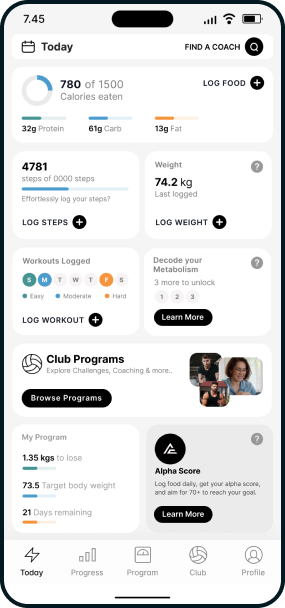
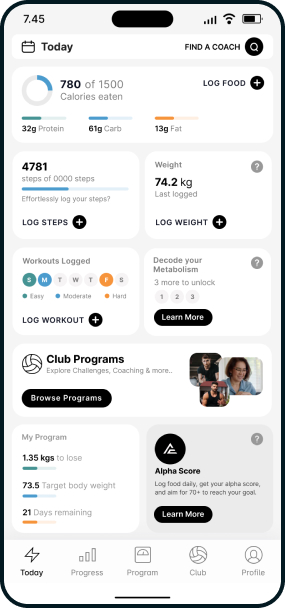
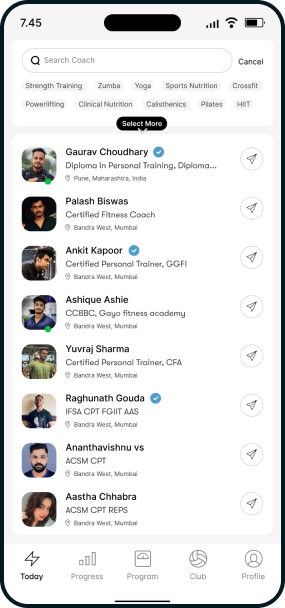
If you want help tracking calories for Indian party foods, Alpha Coach makes it ridiculously simple. You’ll even find India-specific food tracking that keeps you consistent without stress.
Enjoy the weddings. Enjoy the food. Do it without guilt.
A few smart choices are all you need.
FAQs
- What to eat in December and January to avoid seasonal illness
- Pre-Launch Your New Year: What You Should Do in December
- Fitness Over 40: Why It’s Never Too Late to Build Confidence
- Mental Health and Fitness: How Workouts Improve Your Mood
 1
1








1 Pingback