

 2062 views
Soybeans are often described as one of the best plant-based protein foods. They show up in vegetarian diet plans, nutrition charts, and discussions around muscle building and weight loss. At the same time, soybeans are also one of the most misunderstood foods in Indian diets.
Some people think soybeans are the same as soya chunks. Others confuse them with tofu or soy milk. Many assume that if they eat soy in any form, their protein intake is “sorted.” And then some avoid soy altogether because it feels heavy or because of hormone-related myths they’ve heard online.
So let’s slow this down and get clarity.
This article focuses on the soybean itself as a whole food. We’ll look at how much protein is in soybeans per 100g, how cooking changes the numbers, why soybeans are considered nutritionally unique, and how they actually fit into a vegetarian diet without exaggeration or fear.
How Much Protein Is in Soybeans per 100g?
This is the most common question people ask:
How much protein is in soybeans?
How much proteinis in 100 gm soybean?
Protein in soybeans per 100g is approximately 36–40 grams.
This value refers to dry, raw soybeans, before soaking or cooking. Compared to most other legumes, this has a very high protein content. For context, lentils and chickpeas typically provide far less protein per 100g in their dry form.
This is why soybeans are often highlighted as a powerful vegetarian protein source. However, the numbers only make sense when you understand how soybeans are eaten and prepared in real life.
Nutrition Snapshot of Soybean per 100g

Here’s a simple nutritional overview to put soybean protein into context.
Per 100g dry soybeans (approximate values):
Protein: ~36–40 g
Calories: ~440–450 kcal
Carbohydrates: ~30 g
Fats: ~18–20 g
Fibre: ~9–10 g
One important thing to notice here is that soybeans are not just high in protein; they are also relatively high in fat compared to most legumes. This makes them more calorie-dense and more filling, which explains both their satiety and why they can feel heavier than foods like dal.
Is Soybean Rich in Protein Compared to Other Plant Foods?
Another very common query is:
Is soybean rich in protein?
Yes, soybeans are among the most protein-rich plant foods.
When compared to other commonly eaten plant foods:
- Lentils and dal provide moderate protein but require larger portions
- Chickpeas and rajma are nutritious but lower in protein density
- Peanuts are high in protein but also very high in fat
Soybeans stand out because they offer both high protein quantity and high protein quality in a relatively compact form. This combination is rare among plant foods and is one of the main reasons soybeans are used so widely in nutrition and food production.
What Protein Is Found in soybeans?
People often ask:
What protein is found in soybeans?
or
Protein found in soybeans is called what?
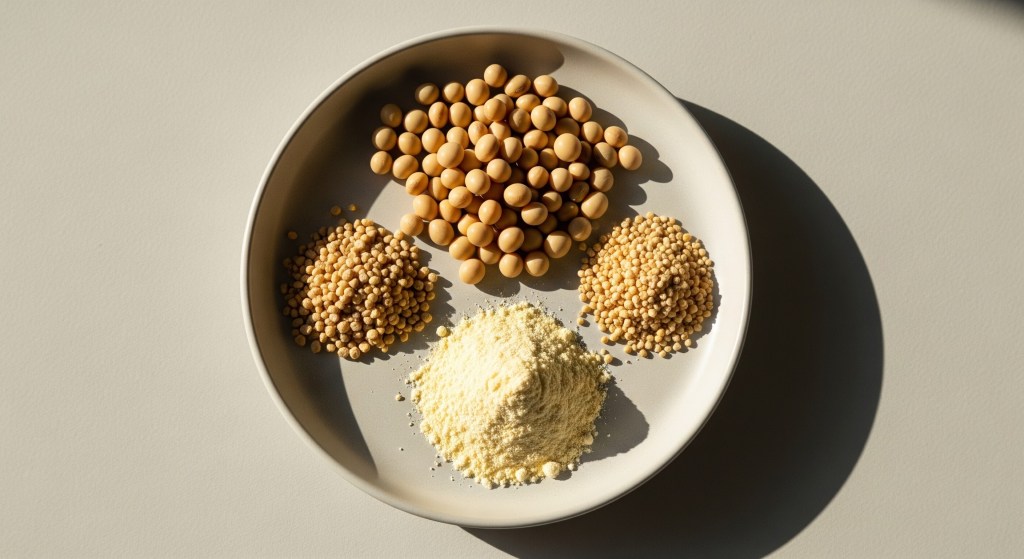
The primary proteins in soybeans are glycinin and β-conglycinin. Together, these provide all the essential amino acids the human body needs.
This is why soybeans are considered a complete protein, which is uncommon among plant foods. For vegetarians, this matters because many plant proteins are incomplete and need to be combined across meals. Soybean reduces that dependency, although variety is still important overall.
What Happens to Protein When Soybeans Are Soaked and Boiled?
A practical cooking-related question people have is:
Does boiling soybeans reduce protein?
When soybeans are soaked and boiled, they absorb water and increase significantly in weight. Because nutrition values are calculated per 100g by weight, protein per 100g of cooked soybeans appears lower than in dry soybeans.
This does not mean protein is destroyed or lost.
Think of it like rice. One hundred grams of raw rice and one hundred grams of cooked rice have very different calorie and carbohydrate values because cooked rice contains water. The same principle applies to soybeans.
If you start with 50g of dry soybeans, the total protein you consume remains the same after cooking. Only the weight and volume change. Understanding this prevents one of the most common mistakes people make when estimating protein intake from cooked foods.
How Much Protein Do You Actually Get From a Serving of Soybeans?
Knowing protein per 100g is useful, but what matters more is how much you actually eat.
A realistic example:
50g of dry soybeans (before soaking and cooking) provides roughly 18–20 grams of protein.
Once cooked, this may look like a large serving because of water absorption, but the protein content depends on the dry quantity used, not the cooked volume.
This is why eyeballing portions often leads to overestimation. A bowl that looks generous may still fall short if the dry quantity is small.
Why Soybean Protein Matters in Vegetarian Diets
Many Indian vegetarian diets are built around cereals like rice and wheat, with vegetables and dal added in smaller amounts. While these foods are healthy, they often leave protein intake lower than expected.
Soybean helps close this gap.
It provides:
• High protein in a relatively small quantity
• Complete amino acid coverage
• Strong satiety due to protein and fat
That said, protein quality matters just as much as protein quantity. Even with soybeans, relying on a single food repeatedly is not ideal. A mix of legumes, dairy (if consumed), nuts, seeds, and grains usually works best for long-term consistency and digestion.
Soybean vs Soya Chunks vs Tofu: What’s the Difference?

This is a major point of confusion online.
Is soybean the same as soya chunks?
Soybean vs tofu: which is better?
Here’s the simple breakdown:
- Soybean is the whole, raw legume
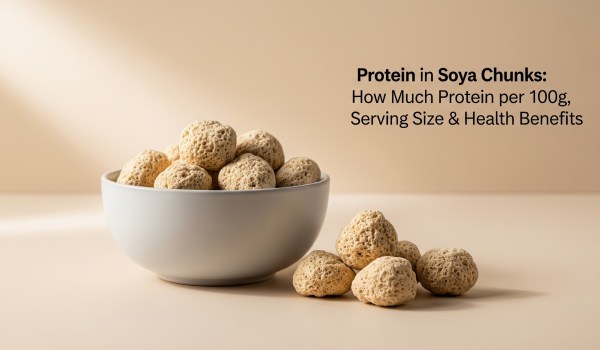
- Soya chunks are a processed, defatted product made from soy flour
- Tofu is made by coagulating soy milk
All three come from soybeans, but their protein density, fat content, and calorie values differ significantly.
If you’re specifically interested in processed soy products and how protein changes after processing, you can read this detailed guide on protein in soya chunks per 100g, which explains the differences clearly.
Why Soybean Feels Heavier Than Dal
A common complaint people have is that soybeans feel “heavy” or cause discomfort.
This usually comes down to three factors:
• Higher fat content than most legumes
• Higher protein concentration
• Slower digestion if not soaked or cooked properly
Soaking soybeans well, cooking them thoroughly, and keeping portions moderate make a big difference. In many cases, discomfort is caused not by soybeans themselves but by overeating them or pairing them with very heavy, oily preparations.
Who Should Eat Soybeans and Who Should Limit Them
Soybeans can be useful for:
• Vegetarians trying to increase protein intake
• Plant-based diets
• People aiming for better satiety in meals
Moderation may help with:
• Those with digestive sensitivity to soy
• People relying on soybeans as their only protein source
As with most foods, balance matters more than frequency.
Protein per 100g vs Real Daily Protein Intake
Many people feel they’re eating “healthy” but still don’t see results.
A typical Indian meal might include roti, rice, sabzi, dal, and some soybeans. On paper, that sounds protein-rich. In practice, most of the plate may still be carbohydrates and water weight.
Knowing the protein in soybeans per 100g is useful, but it only works when translated into real serving sizes and total daily intake. This gap between perception and reality is one reason people plateau in weight loss or muscle gain.
Tracking Protein Intake Accurately With Indian Foods
Indian meals are mixed, recipes vary, and cooked weights are misleading. This makes manual estimation difficult.
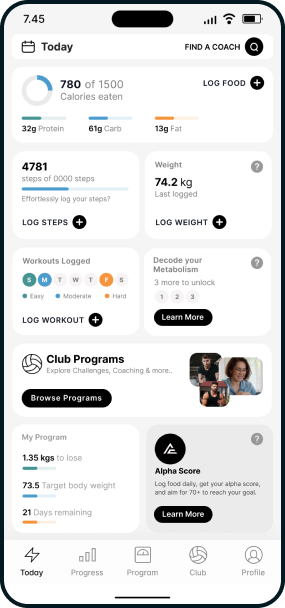
Using a food calorie and protein calculator helps remove guesswork. It allows you to see whether your daily protein intake actually matches your goals, especially when foods like soybeans are eaten in different forms.
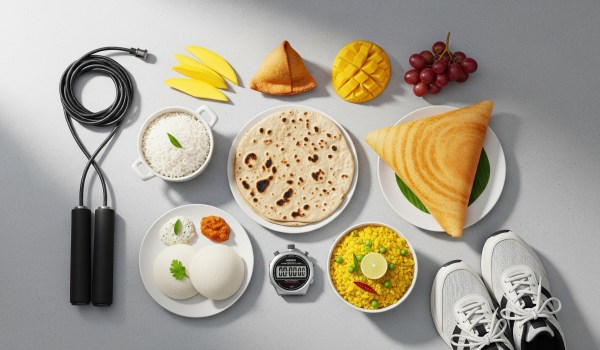
If you’re trying to understand calories and macros across common Indian foods beyond just soybeans, this may help:
Indian Food Calories Chart (Roti, Rice, Idli, Dosa, Snacks & Exercise Calorie Burn)
Data Transparency Note
Nutrition values mentioned are approximate and may vary by variety, preparation method, and portion size. Always distinguish between dry and cooked weights when estimating intake.
Use Soybeans With Clarity!
Soybeans are a nutritionally unique food. They are high in protein, relatively high in fat, and offer complete amino acids, making them especially useful in vegetarian diets when used correctly.
The key is understanding how much protein is in soybeans, how cooking affects the numbers, and how much you’re actually eating.
If you want to remove guesswork and track protein intake accurately across Indian foods, use the Alpha Coach Food Calorie Calculator to make informed, practical food decisions that support your goals.
Frequently Asked Questions About Protein in Soybeans
 0
0










Leave a Reply