
 329 views
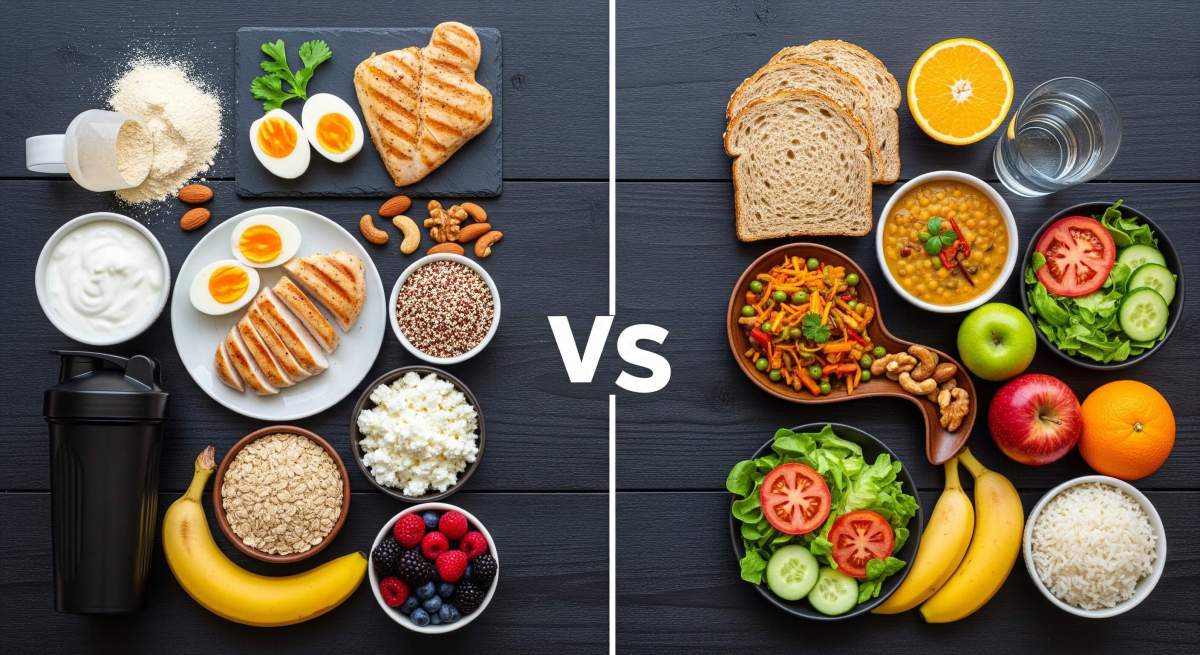
As fitness and gym culture become more mainstream, more people are paying attention to what they eat. Along the way, one common question keeps coming up: What is the difference between sports nutrition and a normal diet?
Many people assume sports nutrition is only for professional athletes or that it simply means taking supplements. Others believe that if they are eating “healthy,” their diet should automatically support training as well. In reality, the difference between sports nutrition and a normal diet is not about extreme eating or special products. It is about intent, structure, and demand.
This article explains sports nutrition vs normal diet in simple terms, so you can understand which approach suits your lifestyle, activity level, and goals.
What Is a Normal Diet?
A normal diet, also called an everyday or regular diet, is designed to support basic health and daily functioning.
The primary goals of a normal diet are:
• Providing enough energy for routine activities
• Supporting general health and immunity
• Preventing nutrient deficiencies
• Maintaining a stable body weight
A normal diet typically includes regular meals with a balance of carbohydrates, protein, and fats. Meal timing is flexible, and food choices are based more on convenience and preference than performance.
Who Is a Normal Diet Best Suited For?
A normal diet works well for:
• Sedentary individuals
• People with light physical activity
• Those not training regularly or pushing physical limits
If your day involves work, household activities, casual walking, and occasional exercise, a normal diet is usually sufficient.
What Is Sports Nutrition?
Sports nutrition is a structured way of eating that supports physical performance, recovery, and training adaptation.
Unlike a normal diet, sports nutrition meaning, not just about staying healthy. It is about helping the body:
• Perform better during workouts
• Recover faster after training
• Adapt to physical stress
• Build strength, endurance, or muscle
Importantly, sports nutrition does not mean supplements by default. It starts with food and revolves around how much you eat, when you eat, and how meals are structured around training.
Who Needs Sports Nutrition?
Sports nutrition is relevant for:
• Athletes
• Gym-goers
• Physically active individuals
• Anyone training multiple times per week
If exercise is no longer optional but a regular stress on your body, nutrition needs to adapt accordingly. This does not mean abandoning a normal diet overnight. Many people gradually apply sports nutrition principles as activity levels increase.
How Sports Nutrition Differs From a Normal Diet in Practice
The difference between sports nutrition and a normal diet becomes clearer when you look at how eating patterns change in day-to-day life.
In sports nutrition:
• Calorie intake is adjusted to fuel training and recovery, not just daily activities
• Protein intake is higher and spread more evenly across meals to support muscle repair
• Carbohydrates are used intentionally, especially before and after workouts, to support performance and energy
• Hydration and electrolytes receive more attention due to sweat loss
• Meal timing becomes more structured around training sessions
In a normal diet, these factors are more flexible because the body is not regularly exposed to intense physical stress.
Key Differences Between Sports Nutrition and a Normal Diet
Purpose
The purpose of a normal diet is to support health maintenance by meeting daily energy needs, supporting immunity, and promoting overall well-being.
The purpose of sports nutrition is performance and recovery by helping the body train effectively, adapt to physical stress, and recover between sessions.
This difference in purpose drives every other change in how food is planned and used.
Calorie Needs
In a normal diet, calorie intake supports daily living activities such as work, movement, and routine tasks. In sports nutrition, calories must also fuel training sessions and support recovery afterwards.
When people start training but continue eating the same way, they often experience:
• Persistent fatigue
• Poor recovery between workouts
• Plateaus in performance or progress
This is one of the clearest signs that a normal diet may no longer be enough because the body’s energy demands have increased. At this stage, the shift from a normal diet vs athlete diet becomes noticeable.
Macronutrient Distribution
Sports nutrition changes how macronutrients are prioritised to meet training demands.
- Protein: Higher and more evenly distributed across meals to support muscle repair and recovery
- Carbohydrates: Used intentionally as fuel for workouts rather than treated as optional
- Fats: Still important for health, but not the primary energy source for training sessions
In a normal diet, macronutrients are balanced for general health, but they are not structured around performance or recovery needs.
Read More: Protein in Dal per 100g (Raw vs Cooked): The Nutritional Breakdown You Need to Know
Meal Timing
Meal timing matters far more in sports nutrition because it directly affects how the body performs and recovers.
- Food before training supports energy and workout quality
- Food after training supports recovery and adaptation
In a normal diet, timing is flexible and convenience-driven. In sports nutrition, timing becomes a practical tool rather than a rigid rule.
Hydration and Electrolytes
A normal diet usually covers hydration needs for everyday activities. However, training increases sweat loss, which can raise the need for fluids and electrolytes.
Sports nutrition takes into account:
• Training duration
• Training intensity
• Environmental factors such as heat and humidity
This helps prevent performance dips, excessive fatigue, and delayed recovery, especially during frequent or intense training.
Read More: Coconut Water Benefits: What Happens When You Drink It Every Day?
Protein Needs: Normal Diet vs Sports Nutrition
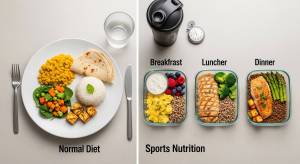
Protein requirements are one of the most noticeable difference between sports nutrition and normal diet.
In a normal diet, protein intake supports basic tissue maintenance. In sports nutrition, protein supports:
• Muscle repair
• Adaptation to training
• Recovery between sessions
Protein distribution also matters. Instead of consuming most protein in one meal, sports nutrition focuses on spreading protein across meals to support continuous repair throughout the day.
This does not mean extremely high protein intake. It means appropriate intake, timed well, based on how active the body is.
Carbohydrates and Energy Needs
Carbohydrates often confuse, especially for people trying to balance fitness goals with “clean eating.”
In a normal diet, carbohydrates supports daily energy needs. In sports nutrition, carbohydrates act as fuel for training.
People who train regularly but restrict carbohydrates often notice:
• Poor workout performance
• Early fatigue
• Slower recovery
This is a common experience and does not mean something is wrong. Sports nutrition uses carbohydrates strategically (especially before and after training) to support performance and replenishment.
Read More: Rice vs Roti: Which Is Better for Weight Loss?
Fats and Micronutrients: Where the Needs Change

Healthy fats are important in both approaches, but sports nutrition places extra attention on micronutrients.
As activity levels increase, the body relies more heavily on nutrients involved in energy production, muscle contraction, and recovery. This is why active individuals often have higher demands for:
• Iron
• Calcium
• Magnesium
• B-vitamins
Sports nutrition focuses on better nutrient coverage, not simply eating larger quantities of food.
Do You Actually Need Sports Nutrition?
This is where many readers want clarity.
Factors to Consider
- Activity level
- Training frequency
- Training intensity
- Fitness goals
- Recovery quality
Real-World Examples
- Office worker walking 5–7k steps daily: normal diet
- Gym beginner training 3 times per week: normal diet and light sports nutrition principles
- Strength training 4–5 times per week: sports nutrition
- Endurance or high-volume training: sports nutrition is essential
If training leaves you consistently tired, sore, or stalled, your body is often asking for a more structured nutrition plan.
Common Myths Around Sports Nutrition
Several myths around sports nutrition can make it feel intimidating or unnecessary. Clarifying these helps people approach it with confidence.
- Sports nutrition is only for athletes – False. Many recreational gym-goers benefit from it.
- Sports nutrition means supplements – False. Food and timing come first.
- Beginners don’t need structured nutrition – False. Early habits shape long-term progress.
- Sports nutrition is unsafe for daily use – False. It is simply intentional eating.
Where Do Supplements Fit In?
This is one of the most misunderstood areas of sports nutrition.
Sports nutrition is built on:
• Food quality
• Meal timing
• Recovery
Supplements are optional tools, not the foundation. They may help fill gaps in specific situations, but they are not mandatory for following sports nutrition principles. Most people can apply sports nutrition effectively using regular foods.
How to Transition from a Normal Diet to Sports Nutrition
You do not need to overhaul everything at once.
Start with:
• Distributing protein more evenly
• Fueling workouts with carbohydrates
• Improving hydration around training
Gradual changes are not only more sustainable—they are usually more effective than drastic shifts.
Conclusion
A normal diet supports general health. Sports nutrition supports performance, recovery, and adaptation. The difference between sports nutrition vs regular diet is not the food itself, but how it is used intentionally.
As activity levels increase, nutrition needs change. Understanding this difference helps remove confusion and prevents unnecessary extremes.
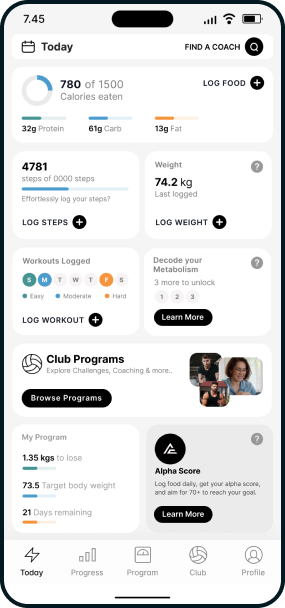
Understanding food choices, meal timing, and recovery needs helps remove guesswork as activity levels increase. Platforms like Alpha Coach are designed to support this process by helping people make sense of nutrition and training demands, especially as they move from general fitness to more structured routines.
Frequently Asked Questions
 0
0











Leave a Reply