

 243 views
Every Diwali, the same ritual unfolds at my home. Diyas flicker, rangolis bloom, and the dining table slowly turns into a mithai buffet. My nani insists I eat “just one more laddoo” because, apparently, refusing sweets on Diwali is bad luck. I resist, then surrender (as always), and by the end of the night, I’m sitting on the sofa with my kurta buttons under siege.
Sound familiar? The truth is that most of us are already walking into Diwali on the back foot when it comes to activity. Studies state that more than half of Indian adults are physically inactive across multiple regions of the country. So when you stack days of sugary, fried, and high-calorie food on top of a sedentary lifestyle, it’s like pouring ghee on an already roaring flame.
Take a typical Diwali day. By evening, you’re at a cousin’s house facing a dining table that looks like it could cater a wedding; chakli, namakpara, kaju katli, rasgulla, the works. By the time you are actually supposed to eat dinner, you’ve already overeaten enough to power a small army.
The result, then, is:
- Blood sugar spikes that make you feel energetic for five minutes, then knock you into a sluggish food coma. Research shows high-sugar, high-fat festive meals can cause short-term glucose spikes and post-meal fatigue.
- Bloating, acidity, and discomfort make sitting cross-legged for the puja feel like Olympic training.
- Cumulative weight creep; not from one gulab jamun, but from several days of feasting layered on top of an inactive routine.
The point isn’t to fear festive food; it’s to understand why our bodies struggle when we overload them. And once you see that clearly, the simple hacks to enjoy Diwali without guilt start to make sense.
Smart Nutrition Tips for Guilt-Free Diwali Eating
1. Don’t arrive starving
One year, I skipped lunch to “save space” for gulab jamun. Big mistake. By 7 PM, I was attacking the samosa tray like I hadn’t eaten in days.
- Why it matters: When you skip meals, hunger hormones like ghrelin spike, making you crave the quickest energy, usually fried and sugary foods. Skipping also slows metabolism temporarily, so your body holds onto extra calories more stubbornly.
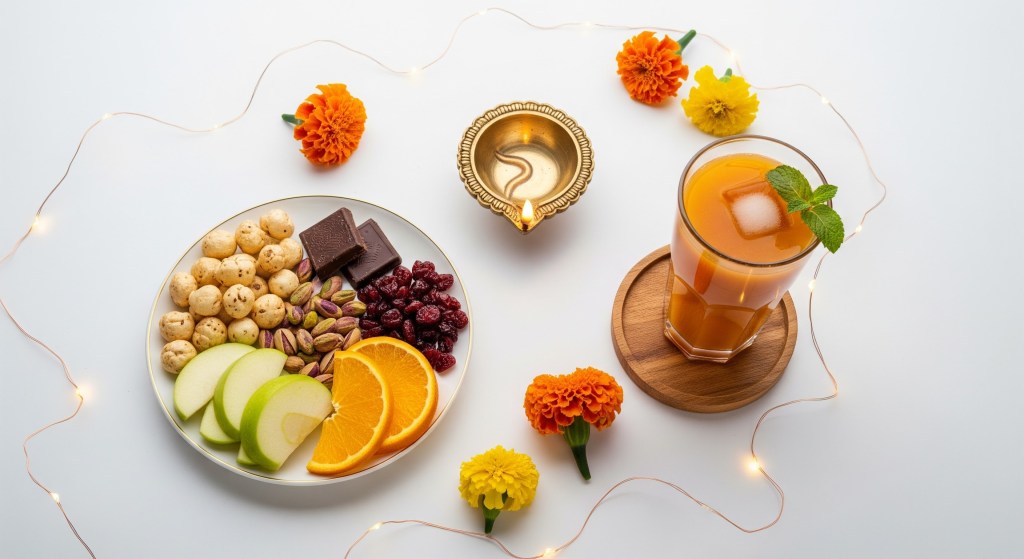
- Tip: Have a small pre-party snack, a paneer bhurji roll, curd with fruit, or roasted chana. This steadies hunger and makes it easier to pace yourself at the party. Never walk into a Diwali party hungry!
2. Hydrate before you plate
My aunt once thought I was “hungry” and piled pakoras on my plate. All I really needed was water.
- Why it matters: Mild dehydration often feels like hunger. Drinking water before a meal stretches your stomach slightly, helping satiety signals kick in earlier. A study showed that drinking 500 ml of water before meals helped people eat fewer calories.
- Tip: Drink a glass of plain water, buttermilk, or even nimbu paani before snacks. Skip cola or sweet sharbat, they’re sugar bombs in disguise. If you’re torn between a second laddoo and water, start with water. If you’re still hungry, laddoo awaits.
3. Add a protein buffer
A cousin once told me, “Eat a bowl of sprouts before card night.” I thought he was mad until I realised I didn’t demolish the kaju katli box that year.
- Why it matters: Protein slows down digestion, balances blood sugar, and keeps you full longer. Without it, carb-heavy snacks cause sugar spikes, which lead to sugar crashes and more cravings.
- Tip: Paneer tikka, boiled eggs, sprouts chaat, or even a handful of roasted peanuts. Think of protein as your sugar bodyguard. Add at least one protein-rich item before or during the party, and it can save you from five extra mithais.
4. Small plates, big wins
At home, snacks arrive on thalis so big they could double as cricket pitches. Now I sneak a side plate instead.
- Why it matters: Your brain judges fullness by plate coverage. Smaller plates make portions look bigger, which helps you feel satisfied with less. Psychologists call this the Delboeuf illusion.
- Tip: Instead of piling chakli, sev, and samosas on one huge plate, serve yourself a few items at a time on a katori-sized dish. If the plate looks full, your stomach feels full. It’s science, not stinginess.
5. The 80–20 rule
It is said Diwali without mithai is like Diwali without diyas, so I stopped chasing “perfect” eating and started aiming for balance.
- Why it matters: Strict restrictions backfire; they make you crave what you’re denying. The 80–20 approach lets you enjoy your favourites without guilt.
- Tip: Eat lighter meals (dal, sabzi, fruits) throughout the day, then enjoy your kaju katli guilt-free in the evening. It’s truly about balance and not punishment. Pick one or two favourite sweets to enjoy fully, and skip the ones you don’t care about. Not every snack deserves your appetite.
Healthy Alternatives to Popular Diwali Treats
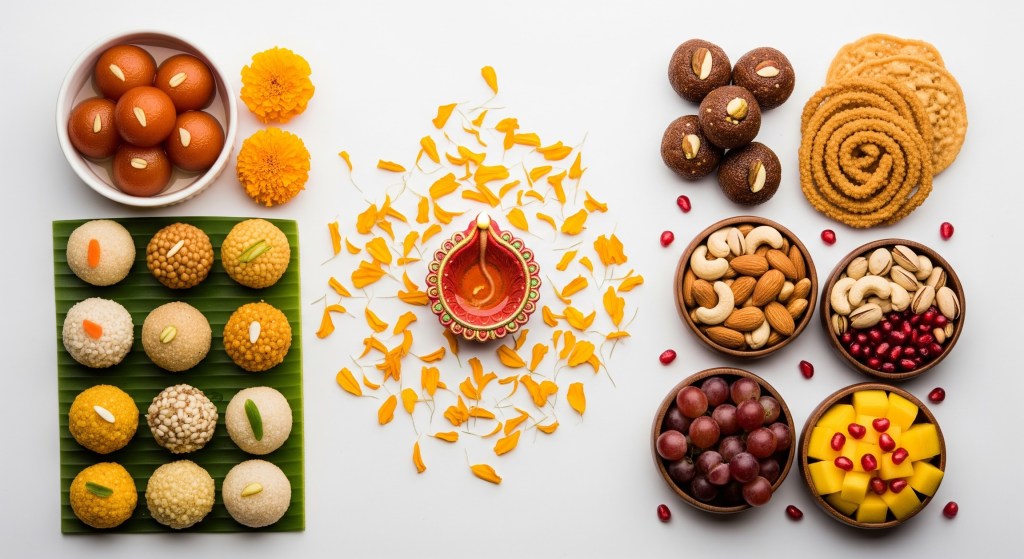
Nobody comes to Diwali expecting salads, and honestly, nobody should. Sweets and snacks are part of the tradition. But, you don’t always have to choose between “tasty” and “healthy.” A few simple swaps let you keep the festive spirit without the post-snack guilt.
-
Baked instead of fried
Last year, my sister turned up with baked chakli. Everyone laughed (“Healthy chakli? What’s next, keto jalebi?”). But by the end of the night, the tray was empty, and we didn’t feel like collapsing on the sofa.
- Why it works: Frying soaks up oil, doubling calories and slowing digestion. Baking or air-frying cuts fat while keeping the crunch.
- Try this: Baked chakli, air-fried samosas, or baked mathri served warm.
2. Natural sweeteners over refined sugar
My mother recently started swapping sugar with jaggery in laddoos. The flavour was deeper, richer, and people actually asked for her recipe.
- Why it works: Jaggery, dates, or figs add minerals and fibre, while refined sugar only adds empty calories. The sweetness is still there, but the crash isn’t as harsh.
- Try this: Date and nut laddoos, anjeer rolls, or til chikki with jaggery.
3. What about sugar-free sweets?
These days, you’ll also see plenty of “sugar-free” mithai shops during Diwali. Most of these use artificial sweeteners like sucralose or aspartame. They do cut calories, but they don’t make gulab jamun magically healthy, and some people notice bloating or a strange aftertaste.
Better option: If you want to go sugar-free, look for sweets made with stevia or monk fruit; these are natural, plant-based sweeteners with fewer side effects. But remember: “sugar-free” doesn’t mean “eat unlimited.” A sugar-free rasgulla eaten five times is still five rasgullas.
4. Lighten the dairy load
Shrikhand is my kryptonite. But when a friend made it with Greek yogurt instead of malai, it was just as creamy, and I didn’t feel like I needed a nap after eating it.
- Why it works: Yogurt provides protein and probiotics with far fewer calories than malai or cream.
- Try this: Greek yogurt shrikhand, fruit kheer with hung curd, or yogurt parfait layered with nuts and dry fruits.
5. Dark chocolate upgrades
When someone first served dark chocolate barfi, we rolled our eyes. Five minutes later, there wasn’t a piece left. Turns out, mithai doesn’t need to be “traditional” to be a hit.
- Why it works: Dark chocolate (70%+) has antioxidants and less sugar than milk chocolate. Pair it with nuts and you’ve got indulgence that’s smarter for the heart.
- Try this: Dark chocolate kaju katli, cocoa almond laddoos, or pistachio-stuffed chocolate dates.
6. Add fresh options to the spread
One of the simplest tricks is to put a fruit platter next to the mithai. People will eat it, partly because it looks pretty, partly to feel less guilty about the kaju katli they just inhaled.
- Why it works: Fruits add fibre and water, slowing down sugar absorption from sweets and balancing heavy snacks.
- Try this: Pomegranate, orange slices, apple chaat with chaat masala, or grapes alongside the mithai tray.
Comparison Table
| Traditional Treat | Healthier Swap | Calories Saved (approx.) | Why It Works | Do It This Way |
| Fried chakli / mathri | Baked or air-fried version | 100–150 kcal per serving | Same crunch, less oil → lighter digestion | Use an air fryer or bake at 180°C |
| Sugar barfi/laddoo | Date or jaggery laddoo | 50–80 kcal per piece | Natural sweetness + fibre → fewer sugar spikes | Replace sugar with jaggery/dates |
| Malai shrikhand | Greek yogurt shrikhand | 80–100 kcal per serving | Creamy with protein + probiotics → less heaviness | Use hung curd instead of cream |
| Milk chocolate mithai | Dark chocolate laddoo | 30–40 kcal per piece | Less sugar, antioxidants → better heart health | Use 70%+ dark chocolate |
| Gulab jamun (deep-fried) | Baked or paneer-based jamun | 100–120 kcal per piece | Lower fat → easier digestion | Bake jamuns, soak in lighter syrup |
| Fried samosa | Air-fried/baked samosa | 80–100 kcal per piece | Less oil → same taste, fewer calories | Brush with oil, air-fry at 200°C |
| Pakoras (deep-fried) | Besan chilla with veggies | 100–120 kcal per serving | Same flavour, less oil → higher protein | Pan-fry instead of deep-frying |
| Sev / namakpara | Roasted sev / baked crackers | 50–80 kcal per handful | Crunchy but lighter → less bloating | Roast in the oven with light oil spray |
You could also use the Alpha Coach Food Calorie Calculator to check the calories in your favourite Diwali snacks and sweets. Just type in your favourite indian food item and you’ll know exactly what’s on your plate, and how to balance it better.
Mindful Eating: Enjoying Without Overindulging
Mindful eating doesn’t mean nibbling carrots while everyone else enjoys! It just means slowing down enough to enjoy the food, without regretting it later.
- Slow it down: Instead of tossing back a gulab jamun, savour it. Your brain takes about 15–20 minutes to register fullness, so eating slower naturally means eating less.
- Respect your signals: If Chachi insists on “ek aur laddoo” but you’re full, smile and say, “Kal kha lunga, fridge mein rakh do.” Future-you will be grateful.
- Taste, don’t tally: Share or halve portions. You can try ten sweets without eating ten sweets.
4. No background munching: Ever finished a whole bowl of namakpara during a movie? That’s distracted eating. Keep food separate from screens or cards.
After the Feast: Simple Detox & Recovery Tips
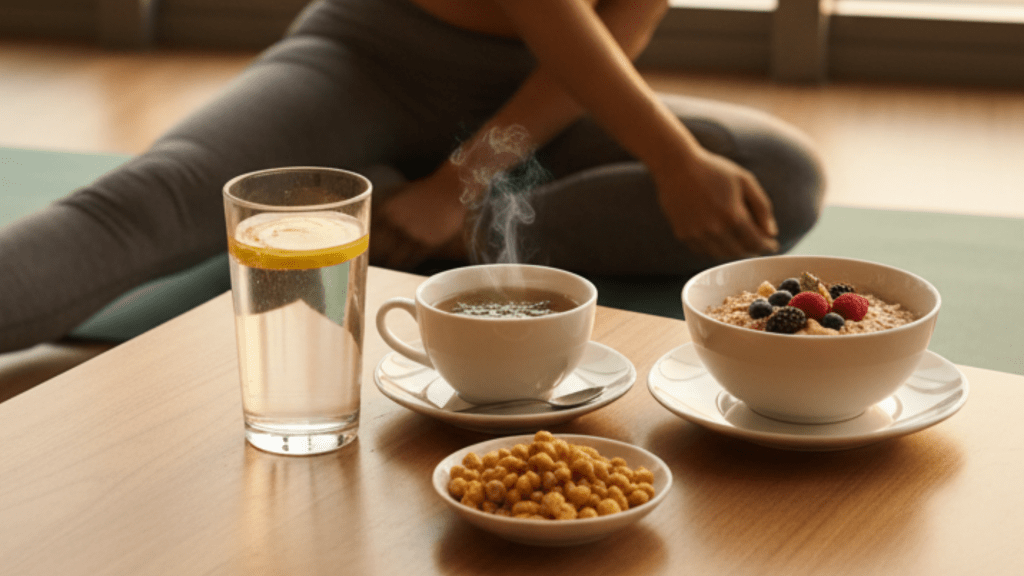
Waking up after Diwali often comes with the “too many laddoos” feeling. The good news is you don’t need juice cleanses or crash diets. What your body really needs is a reset. Here’s a practical next-day guide:
- Begin with a tall glass of warm water (add lemon if you like). This helps flush out excess salt and sugar. Herbal teas such as ginger or tulsi can ease bloating.
- Choose fibre-rich, light options like oats with fruit, vegetable upma, or poha with peanuts. Skip heavy parathas or fried snacks, which only slow digestion further.
- Go for a 20–30 minute walk. Research shows post-meal walking lowers blood sugar spikes. Walking also aids digestion and boosts energy.
- Leftover samosas and pakoras are harder to digest and often worse when reheated. Instead, snack on roasted chana, fresh fruit, or a handful of nuts.
- Keep it light and balanced with dal, sabzi, roti, or a warm bowl of khichdi. No extreme “detox diets” are needed.
If you can only do one thing: walk. Movement combined with hydration resets your system faster than anything else.
Conclusion: Celebrating Health Along With Tradition
Diwali is about light, laughter, and togetherness, and yes, the food is part of that joy. The key is balance. Mindful choices like eating slowly, mixing in lighter options, and staying active will help you enjoy the season without regret. Celebrate traditions, honour your health, and step into the new year feeling lighter and more present.
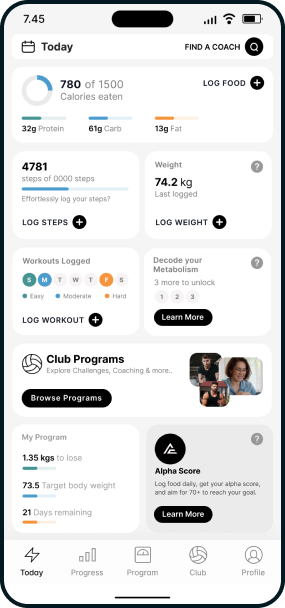
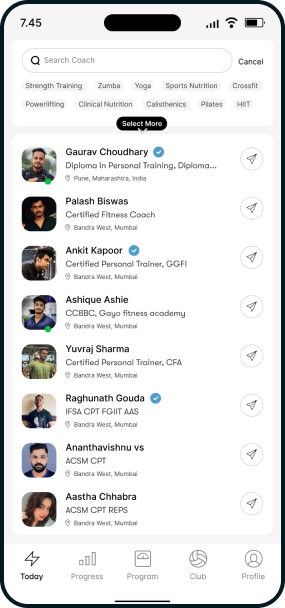
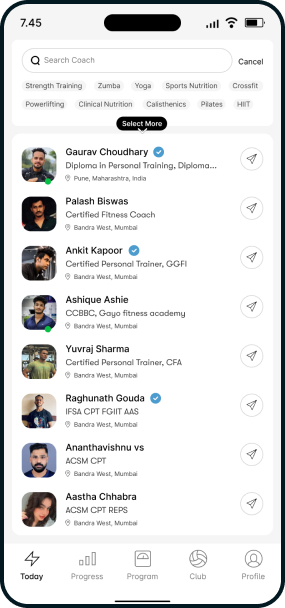
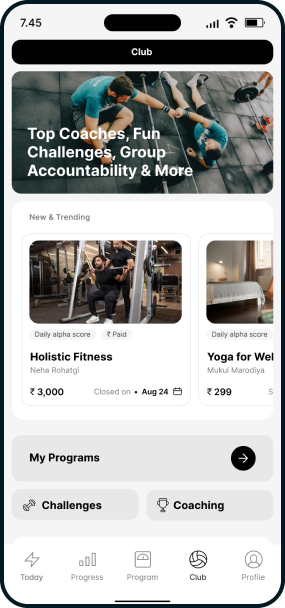
And if you want something more than calorie counts? The Alpha Coach app gives you meal tracking, personalised nutrition, and verified fitness coaches to help you stay consistent even through the festive season.
FAQs
- 12 Zinc-Rich Foods That Support Your Body’s Vital Functions
- What is Quinoa: Health Benefits and Nutritional Values
- Transform Your Health: Focus on Process Goals, Not Just Outcomes
- Black Coffee for Weight Loss: Does It Really Work?
 0
0






Leave a Reply