
 4609 views
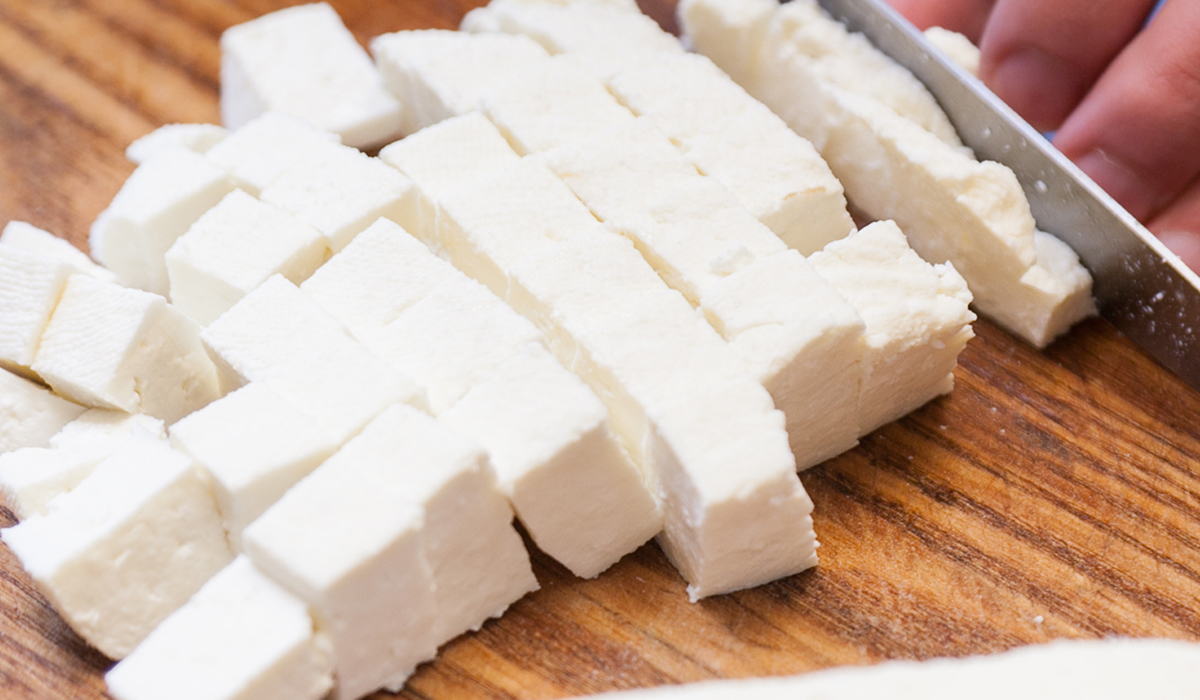
What is Paneer?
Paneer is the popular soft, delicious cheese you’ll find in loads of Indian dishes. It’s a dairy product made from curdled milk, and its unique texture and mild flavour make it a perfect match for almost any dish. Whether it’s immersed in a tasty curry, stir-fried, or grilled into kebabs, paneer just absorbs flavours seamlessly while holding its shape. This is probably why it’s so loved by vegetarians and non-vegetarians alike. It is consumed as it is, or as part of popular home or restaurant Indian vegetarian dishes like Shahi Paneer, Paneer Lababdar and so on.
Does Paneer have protein? For those looking to get their protein fix from plant-based sources, paneer has become a go-to choice. It’s simple, versatile, and packed with nutrients. Plus, it has this nostalgic, comforting vibe that’s hard to beat, reminding us of home-cooked meals, exotic curries and family gatherings.
The protein content in paneer boasts of a complete protein profile, i.e. it contains all the 9 essential amino acids.
Fun Fact: Paneer is NOT INDIAN COTTAGE CHEESE, as it is sometimes called by several individuals and even some Indian restaurants. Paneer primarily comprises Casein protein- a slow digesting dairy-protein while cottage cheese (in western countries) is a cheese made up of primarily Whey protein.
So, How Much Protein is in 100g Paneer?
Here’s what really stands out: It’s the paneer protein content. Just 100 grams of this cheese gives you approx. 18 grams of high-quality protein—quite impressive, right? This makes it an awesome choice for anyone looking to boost their protein intake without resorting to meat. To put it in perspective, 100 grams of paneer protein compared to other sources:
- Tofu: 8 grams
- Lentils: 9 grams
- Quinoa: 4 grams
So, if you’re aiming for muscle growth or just want something filling to keep you satisfied, paneer is the goto choice.
Here is the nutritional value of paneer per 100gm –

What About Protein in Different Paneer Recipes?
Sure, plain paneer is great, but it really comes to life in these signature Indian Paneer recipes. And how much protein in paneer dishes? Not bad at all, but you need to control the calories depending on the dish. Let’s break it down with both protein and approximate calorie content per serving of some paneer dishes (about 150 grams typical serving):
Palak Paneer: A popular North Indian dish it has rich, creamy texture with a distinct spinach flavour, balanced by the spices and the mild taste of paneer.
- Protein: 10 grams
- Calories: 194 calories (Per 200g serving)
Shahi Paneer: A rich, creamy dish made with paneer in a spiced tomato gravy.
- Protein: 15 grams
- Calories: 280-350 calories (depending on cream and oil used in preparation)
Paneer Lababdar: Paneer cubes in a tangy, spiced tomato gravy.
- Protein: 18 grams
- Calories: 330-380 calories (due to the use of ghee and cream)
Kadai Paneer: Paneer cubes tossed with bell peppers, onions, and a mix of spices.
- Protein: 16 grams
- Calories: 250-300 calories (light on cream but uses oil for frying)
Chilli Paneer: The Indo-Chinese favorite with crispy paneer cubes in a spicy, tangy sauce.
- Protein: 17 grams
- Calories: 350-400 calories (due to frying and sauces)
Paneer Tikka: Marinated paneer chunks grilled and typically served as a starter.
- Protein: 14 grams
- Calories: 200-250 calories (grilled with minimal oil)
Paneer Makhani: A creamy, buttery curry with paneer in a smooth tomato-based sauce.
- Protein: 16 grams
- Calories: 350-450 calories (due to cream and butter in the sauce)
Paneer Tikka Masala: Grilled paneer served in a rich, spiced masala gravy.
- Protein: 17 grams
- Calories: 400-450 calories (similar to paneer makhani due to the creamy gravy)
Matar Paneer: Paneer cubes cooked with peas in a mildly spiced tomato gravy.
- Protein: 18 grams
- Calories: 250-300 calories (usually light on cream)
Paneer Bhurji: Scrambled paneer cooked with onions, tomatoes, green chilies, and spices.
- Protein: 16 grams
- Calories: 230-280 calories (usually cooked with minimal oil, but varies based on ghee/oil used)
Keep in mind that the exact paneer nutrition facts can vary based on the recipe, portion sizes, and the amount of oil, cream, or butter used in each dish. If you’re trying to keep track of calories, opting for less cream or butter in these dishes can help reduce their calorie content while maintaining. You can use the above as a reference list for your selection. Alternately you can use Alpha Coach – one of the best calorie counter and nutrition app to get close to exact information on various macronutrients and calories for these dishes.
What Makes Protein Essential for Human Bodies?
We all know that protein is a big deal, but why exactly? Well, health benefits of paneer pervade almost everything related to your body:
- Muscle building and repair
- weight management
- Keeping your metabolism running smoothly by providing satiety, slow digestion, blood sugar regulation
- Helping your immune system stay strong
- Supporting tissue repair (like after a workout)
- Strengthening bones and teeth
For vegetarians and vegans, it can sometimes be a challenge to get enough protein from plant-based sources alone that too with all essential amino acids. That’s why paneer, with all its packed protein, is such a lifesaver.
The Other Key Benefits of Paneer
Aside from protein, paneer has many other key benefits that make it a great food choice:
- Super Versatile: You can toss it in pretty much any dish, whether it’s a palak paneer sabji, paneer pulao, salad, sandwich, or even a wrap.
- Low in Carbs: If you’re following a low-carb or keto diet, paneer’s low carb content makes it a great option.
- Calcium-Rich: It aids in getting strong bones and teeth, thanks to its calcium content.
- Easier to Digest: Compared to other dairy products, paneer is typically easier on the stomach, even for people who are a bit lactose-sensitive. Paneer retains only about 10% of the lactose from the original milk.
- Packed with Nutrients: Beyond protein and calcium, paneer has vitamins like B12 and minerals like zinc and phosphorus.
Should You Go for Low-Fat Paneer?
With health trends on the rise, low-fat paneer has become a popular choice. While it may seem like the healthier option, it’s worth knowing that removing the fat from paneer can also lower its protein content slightly. That said, the difference in protein is usually not huge, and it all comes down to balance in your overall diet.
Remember, a little healthy fat is actually important for nutrient absorption, so opting for moderate amounts of regular paneer might actually be a better choice for overall nutrition if you are not getting these fats from other sources.
Watch Out for Fake Paneer!
As paneer has become more popular, there’s been an uptick in fake or adulterated products hitting the market. These “imitation” varieties might contain unhealthy additives like:
- Vegetable Oils or Fats
- Starch or Flour
- Artificial Colours and Preservatives
- Detergents or Harmful Chemicals
These fake versions aren’t just tasteless—they can cause digestive issues or allergic reactions. So, make sure to buy your paneer from trusted sources, check labels for authenticity and inspect the product’s appearance and texture before consuming.
Other Protein Sources for Vegetarians and Vegans
Even if you love paneer, variety is key! Here are some other plant-based protein sources to add to your diet:
- Legumes: Lentils, chickpeas, beans—these are fiber-packed and protein-rich.
- Soy Products: Tofu, tempeh, and edamame are all excellent sources of complete protein.
- Nuts & Seeds: Almonds, chia seeds, flaxseeds, and others are packed with protein and other nutrients.
- Whole Grains: Quinoa, amaranth, and oats can all help fill in your protein needs.
- Plant-Based Protein Powders: If you need an extra boost, protein powders made from peas, rice, or hemp are easy ways to up your intake.
Mix and match these vegan or vegetarian protein sources to keep things interesting and ensure you’re getting a full range of nutrients.
How much paneer is too much?
While protein is essential, it’s also important not to overeat it all the time. Too much protein can put strain on kidneys in some cases and lead to dehydration or weight gain if you’re not careful with calorie intake. So resort to mindful eating or calorie control while consuming protein. Keep an eye out for calories and fats also while looking at your 150 gm paneer protein or 50 gram paneer protein serving.
The right amount of protein depends on your age, gender, activity level, and health goals. A good way to figure out its nutritional value is to use a nutrition tracker or consult a health expert who can help you personalize your intake.
You can use a calorie calculator provided by the Alpha Coach to feed in your goals and get customized recommendation on your calories and macronutrients like protein, carbohydrates and fats. Track your meals and activity regularly to ensure you are on track to achieve your goals. The app uses smart adaptive intelligence technology and adjust to your individual self instead of generic guidelines.
Conclusion
Paneer isn’t just delicious—it’s a true protein powerhouse. With 18 grams of protein per 100 grams, it’s a fantastic way to fuel your body, whether you’re a vegetarian, vegan, or simply someone who loves tasty food. Plus, its versatility and nutrient density make it a great addition to almost any protein-rich diet.
Just remember, like anything else, balance is key. Enjoy paneer as part of a varied diet and mix in other protein sources for a well-rounded nutritional intake. Whether in a curry, grilled, or added to salads, paneer offers a world of tasty possibilities for a protein-packed, balanced diet.
So go ahead, explore the magic of paneer, and turn your meals into a delicious and nourishing experience!
Here are a few Paneer Recipes you should try at home –
Oats Paneer Chilla Recipe for Breakfast
Paneer Cheese Toast Recipe for Breakfast
Paneer Tomato Lettuce Salad
 4
4












Leave a Reply