
 600 views
Until the onset of COVID-19 a few years ago, zinc was largely overlooked. A sudden surge in people’s focus on health and immunity saw zinc gaining some importance at the mass level, leading to the inclusion of supplements like Zincovit and Becozinc by many. Although it remains an underrated mineral, with COVID-19 behind us, most people rarely think about zinc anymore.
What is Zinc
Zinc is an important mineral (nutrient) that enables your body to perform many different functions. It helps your immune system fight invading bacteria and viruses. Your body also uses zinc to make DNA (the genetic material in cells) and proteins.
Zinc is not as trendy as protein or vitamin D, right? But let me tell you — once I made a conscious effort to include foods containing zinc in my meals, my immunity improved, my skin felt better, and those annoying little wounds? Gone.
Health Benefits of Zinc

Zinc might be a “trace mineral,” but its impact is anything but small. It helps with:
- Immunity (helps reduce the frequency of colds and infections)
- Wound healing
- Hormone balance
- Skin repair
- Taste and smell (yes, really)
Your body needs zinc because it helps over 300 enzymes work properly. Your immune system needs zinc to work well. This mineral helps with cell division, growth, and protein synthesis to keep your tissues healthy.
Unlike some nutrients, zinc is not stored in the body, which means you must include it in your daily diet through food or supplements.
So, How Much Zinc Do You Actually Need?
- Men: around 11 mg per day
- Women: about 8 mg
Source: According to the National Institutes of Health (NIH) and ICMR guidelines in India
Normal Zinc levels in blood usually fall between 80 to 120 mcg/dL.
Your zinc levels can change because of infections, hormonal changes, or muscle breakdown when you’re sick.
But honestly, most people don’t need to count milligrams — if you eat a variety of the foods below regularly, you’re probably good.
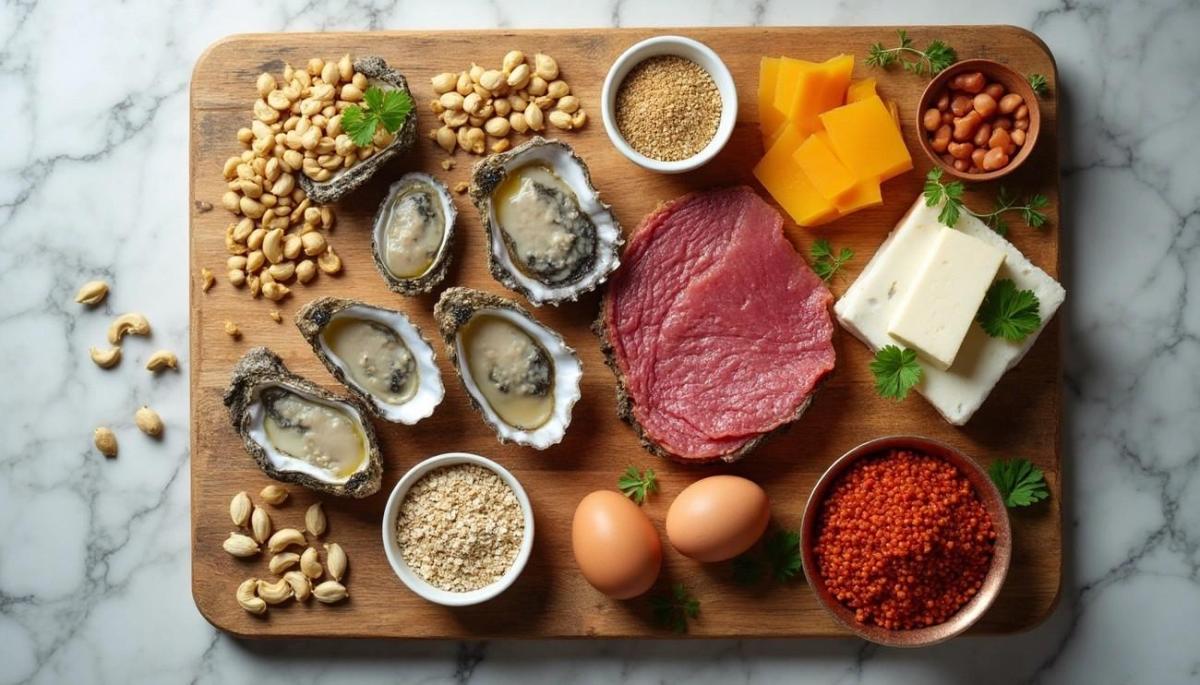
12 Zinc-Rich Foods (with Some Personal Choices)

Let’s explore foods that contain zinc. I’ve included Indian staples, international options, and my own experience with some of these. While animal sources provide much higher volume/Daily volume requirement per serving, mixing a few vegetarian sources of zinc throughout the day can get the job done.
1. Oysters
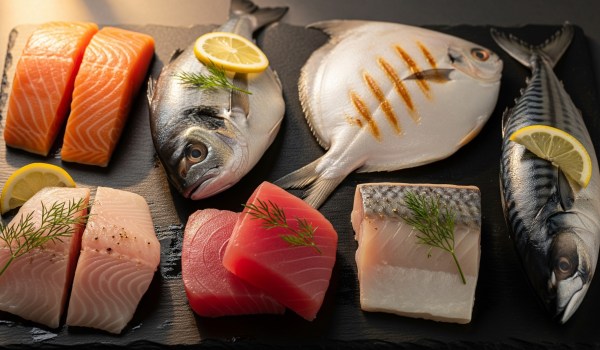
For those who consume non-vegetarian foods, believe it or not, they’re zinc bombs- Arguably the best source of zinc. Just a few give you more than your daily requirement. They’re not common in inland Indian kitchens, but for seafood lovers, these are a goldmine.
2. Beef or Mutton (Goat Meat)
Sunday meant mutton curry in my closest friend’s kitchen — spicy, rich, and comforting. Only years later, I realised it’s a very rich source of zinc. Especially lean cuts.
In Western countries, beef often fills this role. Either way, red meat is a strong zinc source if you’re not a vegetarian. However, consume them with care, on account of their saturated fat content.
3. Pumpkin Seeds (Kaddu ke Beej)
I’ve gotten into the habit of tossing a spoonful into my morning oats. Or just dry roasting them with a pinch of salt. They’re crunchy, satisfying, and sneakily nutritious — a decent amount of zinc, plus magnesium and healthy fats.
Just a small handful of pumpkin seeds (about 28 grams or 1 ounce) gives you around 2.2 mg of zinc or nearly 20% of what an average adult needs in a day
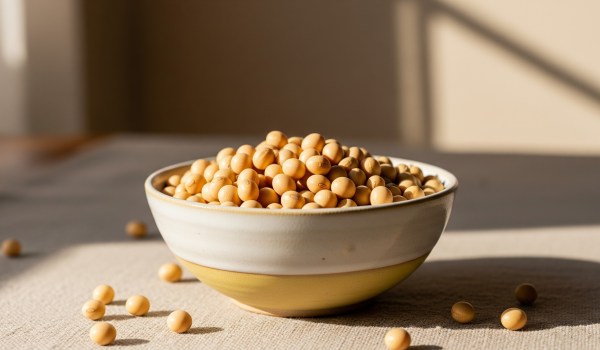
4. Chickpeas (Chana)
One of the cheapest and one of the best vegan sources of zinc. We use chana in everything — chole, sprouts, salads, even homemade hummus. Pro tip: Soaking overnight or sprouting improves zinc absorption. I add lemon juice too — vitamin C helps. A one-cup serving of cooked chickpeas can give you about 2.5 mg of zinc.
5. Cashews (Kaju)
A handful of raw or lightly roasted cashews is a great zinc source. They’re also used in gravies for that creamy texture — a win-win if you ask me.
They are also consumed in sweets like Kaju Katli, though I don’t have much of a sweet tooth and am not a fan of the sugar content. 28g of cashews provides about 1.6mg of zinc or 14% of your recommended dietary allowance.
6. Chicken (Especially Thigh or Leg)
A good tandoori chicken leg is a favourite for many, right? What many don’t know is that dark meat (like thighs) actually contains more zinc than the breast. Don’t shy away from it — just skip the excessive frying.
7. Yogurt (Dahi)
Dahi is a staple in most Indian homes. I usually have it with lunch, sometimes as chaas in summer. It has modest zinc levels — but it adds up, and the probiotics are a nice bonus for your gut. Dairy products are a great supplementary source of zinc for vegetarians.
8. Lentils (Dal)
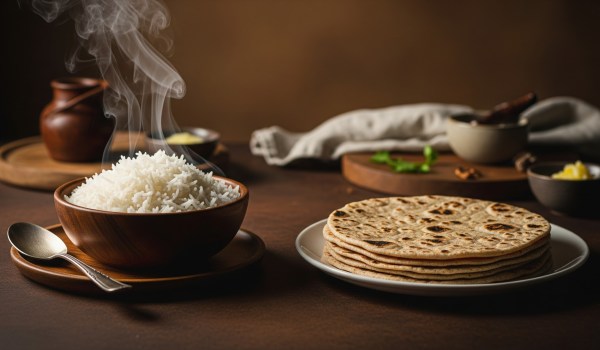
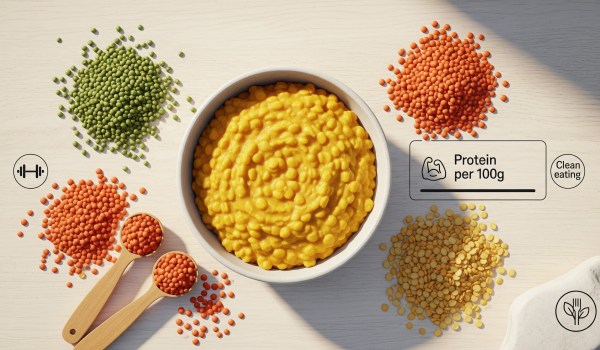
I honestly can’t go a day without a dal. Masoor, moong, toor — take your pick. Lentils aren’t zinc powerhouses, but when you’re eating them daily (like most of us do), they make a steady contribution. Pairing them with rice and a squeeze of lime helps, too.
9. Milk
This one surprised me. A single glass of milk gives you nearly 10% of your daily zinc. Combine that with calcium and protein, and you’ve got a solid bedtime drink. Works great in smoothies, too.
10. Eggs
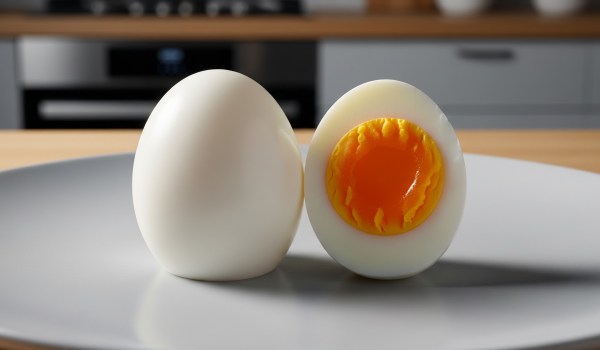
Clearly, my favourite food. Boiled eggs and omelettes saved me during my hostel days. Two eggs = about 1 mg of zinc. Not bad, considering they’re cheap, filling, and easy to carry. Egg curry, anda bhurji, masala omelette — take your pick.
11. Quinoa
Okay, I resisted quinoa for a long time. Seemed too “Western health blogger” for me. But it’s grown on me. It cooks like rice, tastes like something between upma and sabudana, and gives a zinc boost along with fibre and protein. Worth trying, especially if you’re reducing refined carbs.
12. Tofu or Paneer
I’m a team paneer — sorry, tofu lovers. But both are great vegetarian protein sources, and yep, they offer zinc too. Add them to your sabzis, grill them, or throw them into stir-fries. They adapt to almost anything. You can get about 1 mg of zinc from half a cup of tofu.
Bonus sources of zinc
Some other foods rich in zinc include other shellfish, like crabs. There are many other vegan food sources rich in zinc as well, besides the above-mentioned ones- oats, spinach, whole grains, mushrooms, almonds, hemp seeds, avocado, and dark chocolate. To track your overall meal intake and make sustainable changes to your eating habits, you could use a nutrition app like the Nutrition app.
How to Incorporate Zinc-Rich Foods in Your Diet – examples
- Add lemon juice to your dal or chana — it helps with zinc absorption.
- Snack on roasted chana or pumpkin seeds.
- Rotate your dals and legumes.
- Choose chicken legs or mutton over ultra-lean meats now and then.
- Don’t fear dairy — curd and milk can quietly support your zinc levels.
Signs of Zinc Deficiency
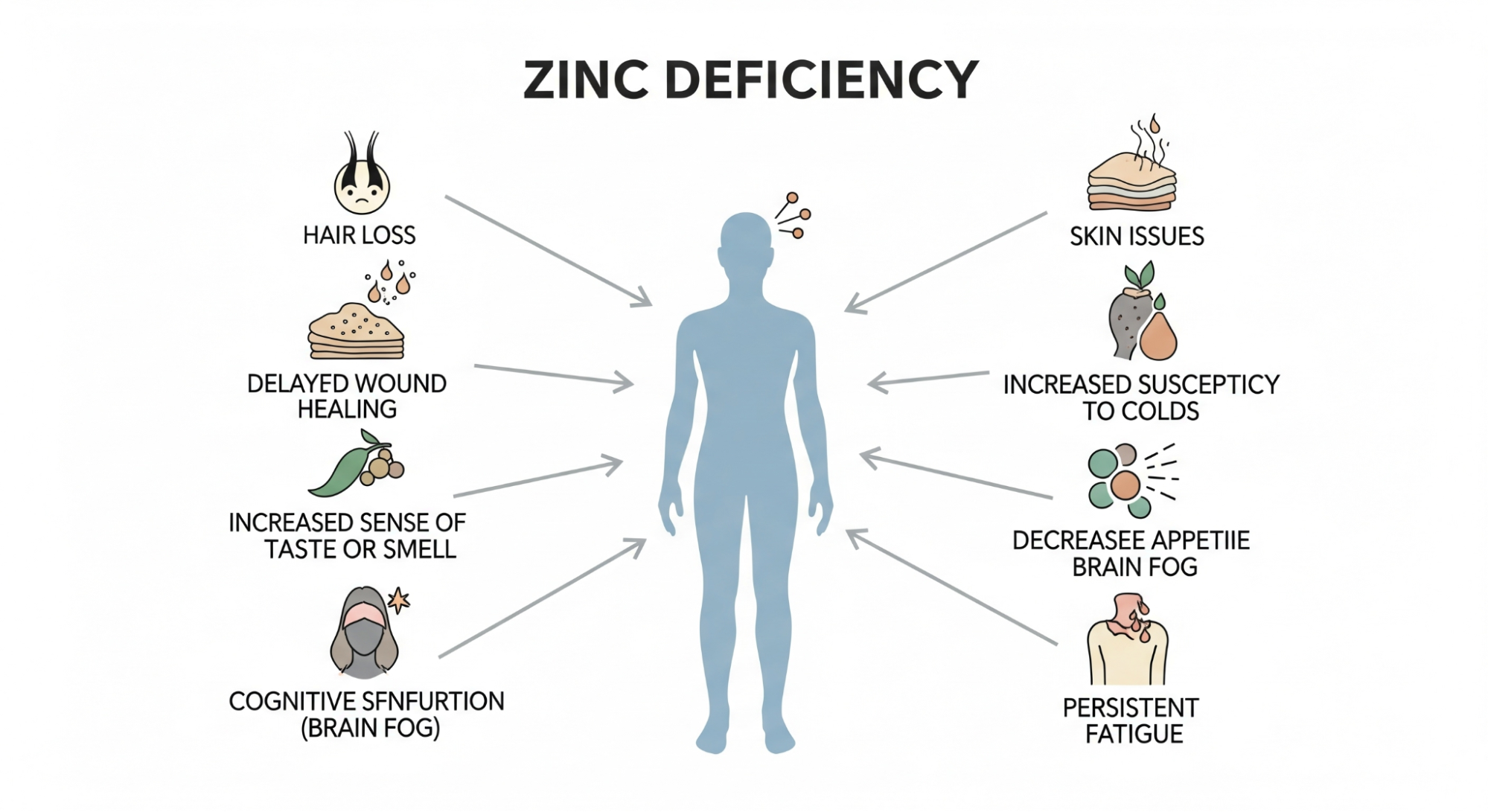
If you’re feeling like something’s off, but can’t put your finger on it — check this list:
- You catch colds too easily
- Your wounds heal slowly
- Skin is acting up (rashes, acne, dryness)
- Hair feels thin or lifeless
- loss of appetite
- Food tastes bland, or there is a loss of taste or sense of smell
- Brain fog or lack of focus
- Poor growth and development in children
- Reduction in sperm count
Some of these can point to zinc deficiency, especially if you follow a vegan/vegetarian diet, have gut issues like IBS or Crohn’s, or are over 60.
Role of a zinc supplement during zinc deficiency symptoms
A quick consultation and blood test can clear things up. If your meal lacks zinc-rich foods, your physician may prescribe a supplement to compensate.
Real-Life Examples and Meal Ideas – A Sample Day
Breakfast – Curd with banana, a spoonful of pumpkin seeds, and 4-5 cashews. Eggs are, of course, a staple breakfast around the world.
Lunch – Brown rice + masoor dal + stir-fried paneer with capsicum.
Snack – Boiled eggs or roasted chana.
Dinner – Grilled chicken thighs, quinoa salad with chana and lemon dressing.
Bedtime – A glass of warm milk.
No, it’s not perfect every day, and foods high in zinc can be mixed and matched from other available options. But this kind of mix easily hits the zinc mark — with food you can find at any kirana store or supermarket.
Final Thoughts: The Quiet Power of Zinc
Zinc doesn’t shout. It doesn’t have marketing campaigns. But it’s working behind the scenes — keeping your immune system alert, your skin healing fast, and your energy steady. You don’t need to obsess over milligrams or buy imported superfoods. Just pay attention to what’s on your plate and include some good sources of zinc.
A little planning — and a few tweaks — can go a long way. And next time you’re feeling low, it might not be “just stress.” It could be your body asking for zinc.
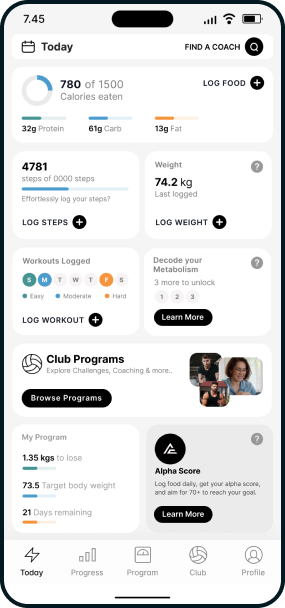
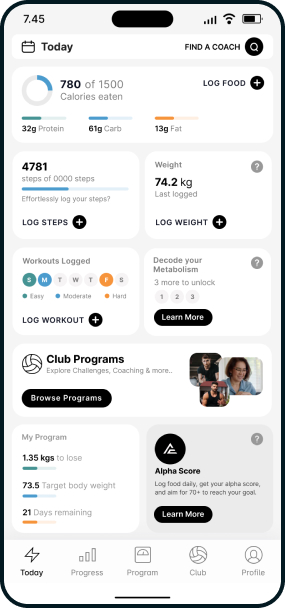
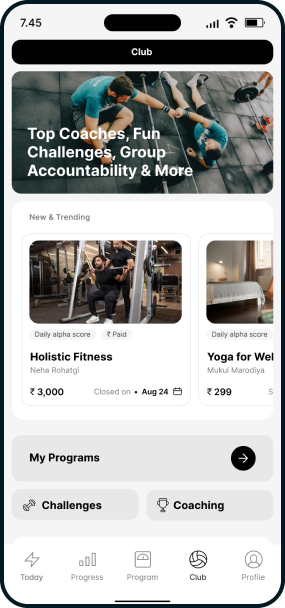
To make these changes easier and more consistent, consider using the Alpha Coach diet-coaching app. It helps you track your meals, monitor your daily progress, and stay accountable with personalised insights. Whether you’re improving your diet or building healthier habits, Alpha Coach simplifies the journey.
Frequently Asked Questions About Zinc
- Chia Seed Pudding
- Hummus with Veggie Sticks
- Chia Seed Smoothie
- Pumpkin Seed Crusted Salmon
- Spinach and Potato Frittata
Disclaimer: The information provided in this blog is for informational purposes only. It is curated from authentic and trusted sources across the web, along with my own subject knowledge. I am not a certified nutritionist, dietitian, or medical professional. Therefore, I recommend consulting a qualified health coach or medical expert before making any significant changes to your diet or lifestyle.
 0
0






Leave a Reply