
 540 views
Having balanced sugar levels in the body is important for staying healthy. Balanced blood sugar level protects your body’s organs, like the heart and kidneys, from long-term damage. Imbalance in blood glucose can also lead to weight gain or loss.
Normal blood sugar or glucose levels typically range from 70-99 mg/dL during fasting and should not exceed 140 mg/dL a couple of hours after meals. Modern lifestyles and processed foods make it challenging to keep glucose within its healthy ranges. Natural methods work better than medication to maintain healthy glucose levels.
This piece offers practical, science-backed ways to keep your blood sugar steady naturally. You’ll learn about foods that support stable sugar levels and understand what happens when glucose becomes imbalanced. In conclusion, I’ll share some practical methods to realistically implement the suggestions based on my journey from obesity to fitness 15 years ago.
What Happens When Your Blood Sugar is not balanced?
Signs of high and low sugar levels
When blood glucose levels are too high (hyperglycemia):
You may feel very thirsty, urinate more than usual, and experience blurred vision. Tiredness is also common. In severe cases, you could feel confused or even lose consciousness.
When blood glucose is too low (hypoglycemia):
You may feel unsteady and experience excessive sweating and increased heartbeats. You may also feel unusually hungry. If levels drop below 70 mg/dL, you might become anxious, irritable, or have trouble concentrating. Severe hypoglycemia could cause slurred speech, poor coordination, and sometimes even seizures.
What is HbA1C?
A Haemoglobin A1c (HbA1c) blood test provides the average blood glucose level, typically over the past 2 to 3 months. While normal HbA1c for a person may vary based on their age, health and some other factors, the common ranges used are:
- Normal- Below 5.7% A1c
- Prediabetic- 5.7 to 6.4%
- Diabetic- 6.5% or higher.
Long-term health risks of imbalance
Imbalanced blood sugar levels over a longer term can lead to serious health problems. Repeated fluctuations can lead to blood vessels and nerves to get damaged. This can harm many organs and systems and increase the risk of kidney disease, nerve damage, and vision loss.
Low blood sugar over prolonged periods may also reduce your ability to recognise warning signs. Without these early symptoms, the risk of severe and life-threatening hypoglycemia becomes much higher.
Connection to heart disease and obesity
There are close linkages among Blood sugar, heart health, and body weight. People with diabetes have a risk of heart disease or stroke nearly double that of high glucose harms their blood vessels and nerves.
Excess belly fat is known to worsen insulin resistance. When cells stop responding to insulin properly, the pancreas is forced to work harder. Over time, this can wear the pancreas out and lead to type 2 diabetes.
When insulin sensitivity is low, excess glucose from foods like carbs gets stored as fat. Additionally, sharp spikes in blood sugar cause quick crashes, which can make you hungry. Keeping insulin sensitivity in check is important to prevent weight gain.
Overall, the link between obesity and diabetes is strong. Extra weight greatly increases the odds of developing type 2 diabetes.
Tips for Maintaining Normal Sugar Levels Naturally
Incorporate these practical habits to maintain normal sugar levels without relying only on medication.
Smaller, balanced, regular meals
Spreading your meals throughout the day prevents big spikes and drops. Avoid skipping meals (that you normally have), as it can cause unpredictable highs and lows. The commonly adopted simple plate method works well: fill half your plate with vegetables, one-quarter with lean protein, and a quarter with healthy carbohydrates. Fibre and protein slow digestion, keeping your blood sugar steady.
Drink water regularly
Good hydration supports stable blood sugar. Even mild dehydration can cause levels to rise. Drinking water helps your kidneys in clearing excess sugar and improves insulin sensitivity. And for more tips see our blog on hydration.
Track your sugar levels consistently
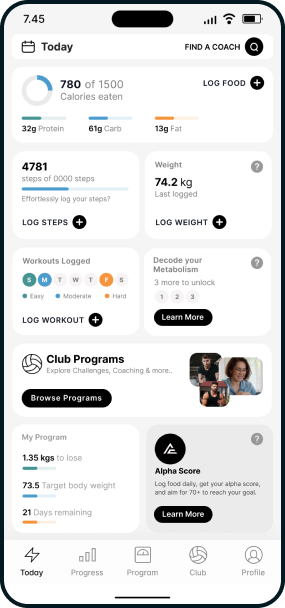
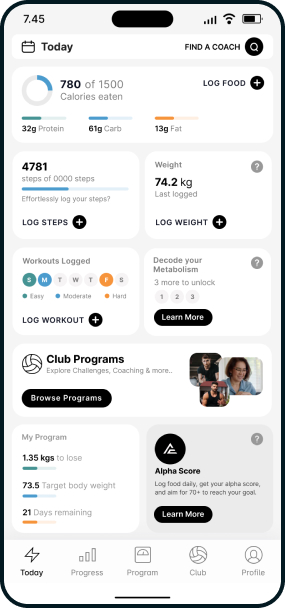
Checking your glucose regularly shows you how food, activity, and other habits affect your body. The Alpha Coach app can be a great tool to help you track your lifestyle. Log your meals and workouts so you can quickly spot trends, get immediate feedback on foods (e.g. sugar intake) and make better choices.
Best Foods for Stable Sugar Levels
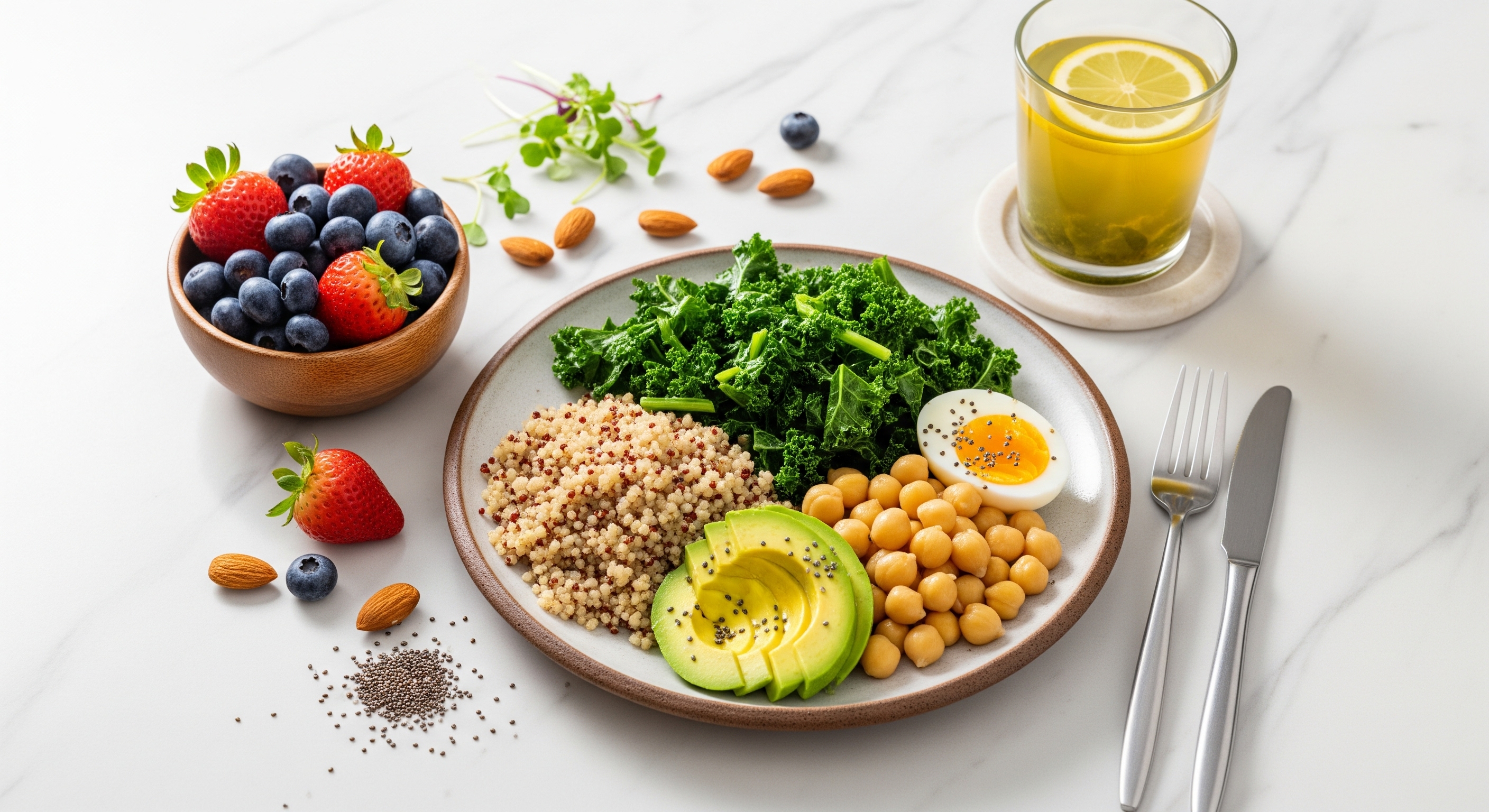
Your food choices directly impact blood glucose levels. Adding the right foods to your meals can help you maintain regular blood sugar levels.
Whole grains and legumes
Unlike refined grains, whole grains like barley, brown rice, and quinoa contain fibre (such as beta-glucan). This helps slow digestion and prevents sugar spikes. Beans, chickpeas, and lentils also support stable blood sugar with their fibre and protein.
Leafy greens and non-starchy vegetables
Vegetables like spinach, broccoli, cabbage, cucumbers and tomatoes are a great addition. They’re low in calories, high in water, and packed with nutrients. Consume them in high quantities.
Nuts, seeds, and healthy fats
Nuts like almonds, walnuts, and pistachios can improve fasting glucose, insulin, and HbA1c. They also help in improving the balance of HDL and LDL cholesterol in people with type 2 diabetes.
Low glycemic index fruits
The glycemic index shows how quickly foods raise blood sugar. Low-GI fruits like cherries, strawberries, grapes, apples and oranges provide vital nutrients without causing quick blood sugar spikes.
Fermented foods and probiotics
Due to their good bacteria content, probiotics like yogurt, kefir, kimchi, and sauerkraut support gut health and may improve glucose metabolism by reducing inflammation and boosting insulin sensitivity.
Proteins
Eggs, lean meats, dairy, paneer, tofu, and lentils help slow carbohydrate absorption and keep you full. They also support muscle building, which improves insulin sensitivity. However, people with diabetes should consult a doctor before significantly increasing protein, since protein can also stimulate both insulin and glucagon.
Also Read About: Zero Calorie Foods: Your Secret Weapon for Healthy Eating & Weight Loss
Lifestyle Habits That Help Balance Blood Sugar
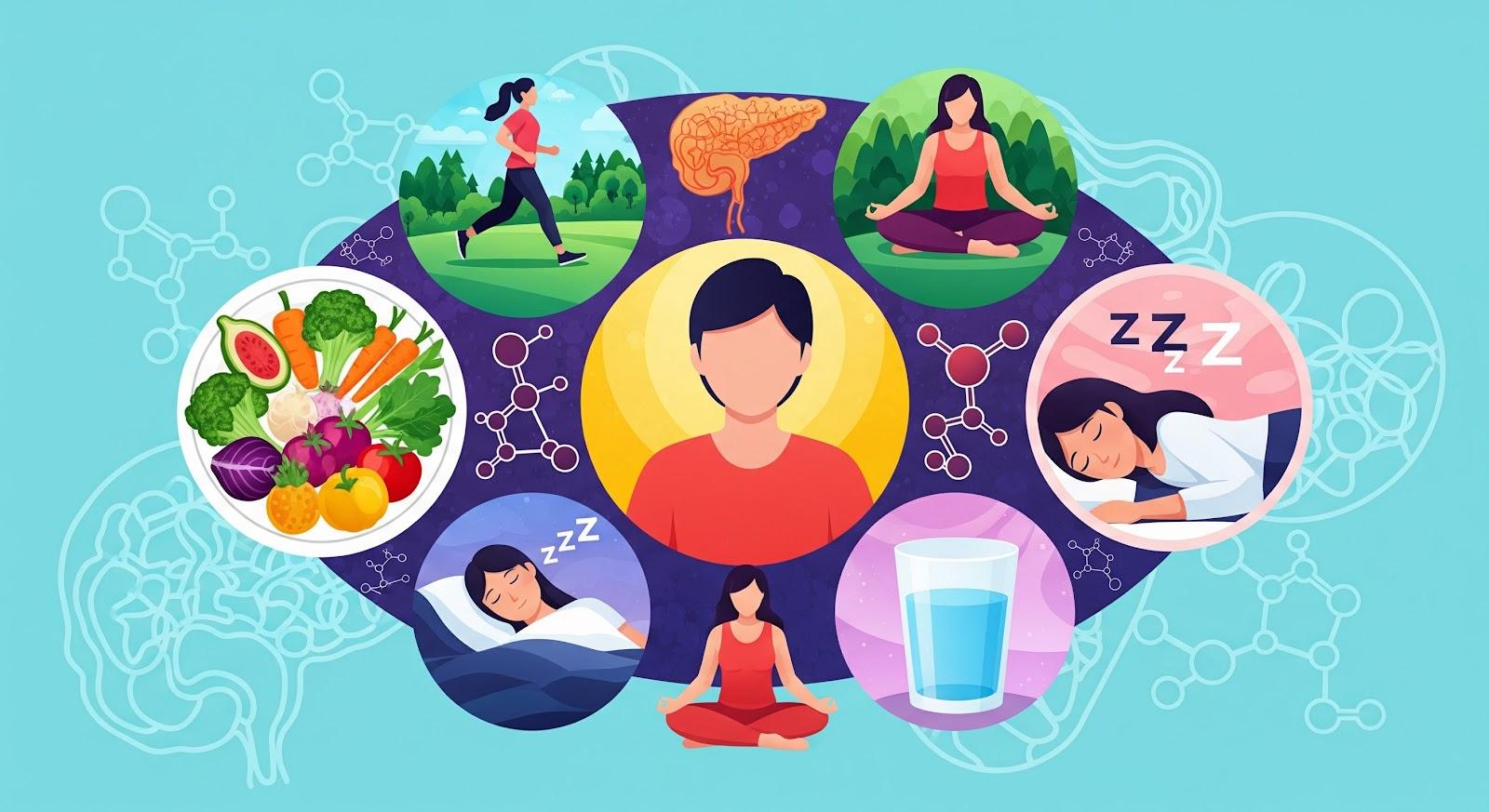
Simple changes to your daily habits can help maintain normal blood sugar levels without medication.
7–9 hours of quality sleep
Sleep quality directly affects how your body regulates blood glucose, as hormones function optimally during sleep. Missing sleep even for one night makes your body resist insulin more, which in turn can raise blood sugar levels. To learn more about sleep and its role in fat loss and maintaining sugar levels, read our article on sleep.
Regular exercise: walking, yoga, strength training
The human body manages glucose better when one stays active. Muscles use blood sugar for energy during exercise and become more sensitive to insulin. You should get at least 150 minutes of moderate aerobic activity each week. Add strength training 2-3 times a week. Blood glucose levels drop more effectively after meals in people who exercise. A simple walk after eating helps control glucose spikes safely. Your workout works better when you do strength training before cardio.
Mindfulness and stress reduction
Your blood sugar levels can rise from stress hormones (cortisol). Practising meditation, yoga, and mindfulness helps maintain the haemoglobin A1C level without side effects. You only need 10 minutes of daily meditation to start seeing benefits.
Consistent daily routine
Sticking to regular times for sleep, meals, and medicines avoids surprises and stress. This helps your body better control blood sugar levels.
Foods to avoid for maintaining normal sugar levels
Foods like White bread, rice, pasta, sugary drinks, and processed foods raise your blood glucose quickly. Stay within the daily sugar levels recommended for males and females. I have seen that most people far exceed these levels. Remember, just a glass of natural orange juice can have almost 20g of sugar. The Alpha Coach app helps you track sugar in foods and your daily intake. This makes it easier to identify foods and patterns that cause problems in your diet.
Know More About: How Sugar Impacts PCOS? Symptoms and Treatment
Conclusion: Implementing a practical formula
Unlike some lucky individuals, most people find it difficult to make these suggestions a part of their lifestyle instantaneously. Social life, busy schedules, habits – they all make it hard. That’s why I suggest you create a simple and easy plan and build on it.
As a reference, here are a few practical habits I followed 15 years ago, when I moved from obesity to fitness (Caveat- these are logical but may not be based on scientific studies). Make your customised plan, which is doable and not daunting.
- Pick one or two strategies from above instead of trying everything at once. Gradually add one strategy each week to make it a habit.
- Create easy-to-incorporate rules: Some examples:
- Add, don’t subtract: Begin meals with veggies and protein. Add some vinegar too. This slows sugar spikes and fills you up. After that, enjoy the grains or pizza you like- Food sequencing enables food portion control without depending on ‘will power’.
- Walk more: Stairs instead of lifts. Calls while walking. A 15‑minute walk after every meal, even on holidays.
- Short strength workouts: Minimum 15 minutes a day. Pushups, squats, sit‑ups — at home, while travelling, or anywhere. This will keep you consistent, even when you miss or can’t go to the gym.
- Keep track: Make a quick note of what you eat and do. Adjust the next day. Unlike 15 years back, now you have Nutrition apps.
- No guilt: If you miss a day or two, don’t worry. Just restart — your body won’t lose progress overnight.
In conclusion, you can keep your sugar levels normal naturally with simple food and lifestyle changes. Use practical methods to incorporate these as small changes, and they will become habits. These natural approaches build your long-term well-being and go beyond just diabetes prevention. You’ll feel better today and protect your health for years ahead.
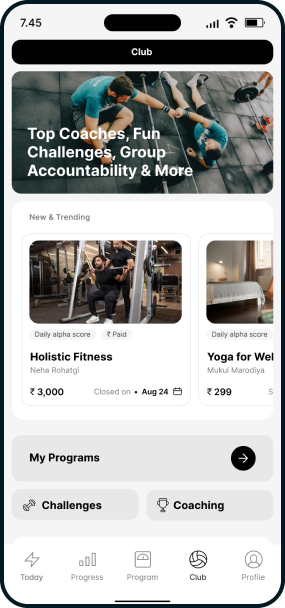
To make these changes easier and more consistent, consider using the Alpha Coach app. It helps you track your meals, monitor your daily progress, and stay accountable with personalized insights. Whether you’re managing blood sugar, improving your diet, or building healthier habits, Alpha Coach simplifies the journey. Plus, with the Find a Coach feature, you can get expert guidance tailored to your specific needs and lifestyle. Let smart tools support your goals, so your path to better health feels doable every step of the way.
Frequently Asked Questions
Read More:
What is Ozempic? Why is Everyone in India Talking About This?
From Leaves to Powder – Everything to Know about Indian Superfood Moringa
Why Chia Seed Water Should Be Part of Your Daily Routine?
What is Quinoa: Health Benefits and Nutritional Values
Disclaimer: The information provided in this blog is for informational purposes only. It is curated from authentic and trusted sources across the web, along with my own subject knowledge. I am not a certified nutritionist, dietitian, or medical professional. Therefore, I recommend consulting a qualified health coach or medical expert before making any significant changes to your diet or lifestyle.
 1
1














Leave a Reply