


 456 views
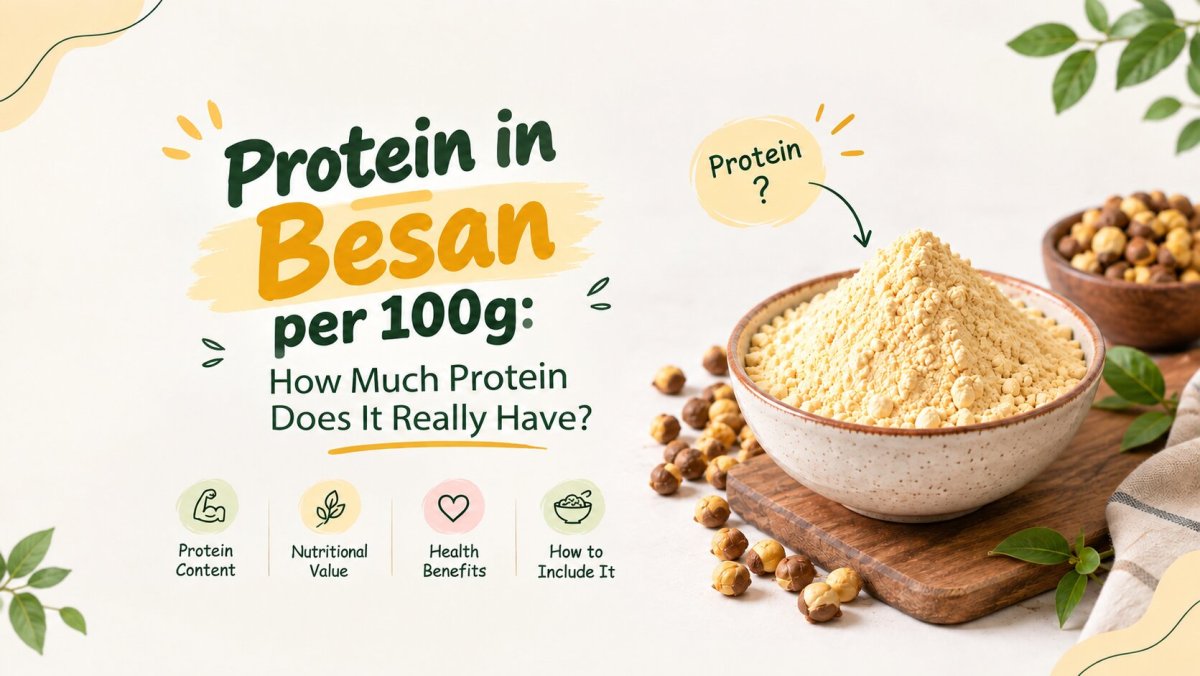
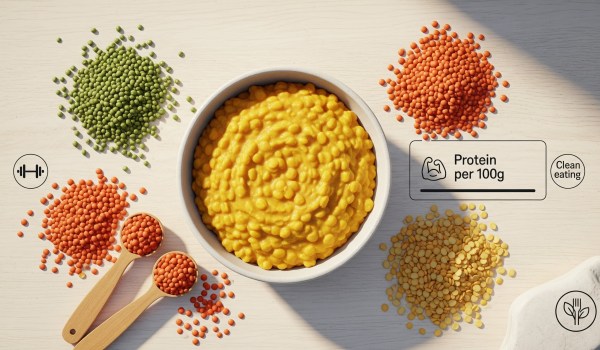
Besan earned its “healthy” tag long before protein became fashionable. In this piece, we’ll break down protein in besan per 100g and, more importantly, what that number actually means once besan reaches your plate.
We use it for chilla, kadhi, pakora, gatte, khandvi, dhokla, missi roti, sev, and probably a dozen other things depending on which part of India you’re from.
Then came the high-protein era, and besan got another promotion: “Besan has 20 grams of protein!”
Correct, but incomplete. To actually get 20g, you need to eat a fair amount of besan, along with its calories and carbs.
100 gm besan protein works out to roughly 20-22g per 100g dry besan. FAO data puts Bengal gram (chickpea) flour at 19.7g per 100g, so using 20g as a practical estimate is reasonable.
That’s a useful number, but 100g dry besan is quite a lot of besan. So instead of stopping at the nutrition table, let’s look at what this means once besan actually lands on your plate.
Protein in Besan Per 100g: A Quick Reference
| Dry Besan | Approx. Protein |
| 25 g | 5-5.5 g |
| 50 g | 10-11 g |
| 75 g | 15-16.5 g |
| 100 g | 20-22 g |
Besan Calories Per 100g
Besides protein, besan calories per 100g come to roughly 365 calories, along with 62g carbohydrate and 5g fat.
So besan is relatively high in protein compared with many common flours, but protein is only part of the picture. Carbs in besan run roughly 3x the protein.
Is Besan High in Protein?
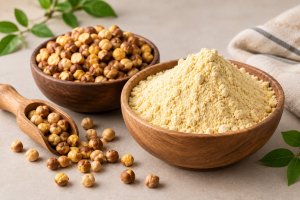
Besan is a good protein-containing food, particularly for vegetarians. That said, it doesn’t belong in the same category as whey protein, eggs, paneer, or other concentrated protein sources.
Why? Getting 20g of protein from besan means eating around 100g of flour, that’s 365 calories and a carb load 3x the protein, just to hit that number.
Myth: besan is basically an Indian protein powder.
No. Besan is a nutritious ingredient that happens to contain a decent amount of protein. Protein powder is engineered specifically to deliver concentrated protein. There’s no need to turn besan into something it isn’t.
The flip side is equally true: calling besan a “bad” protein source because it isn’t whey is silly too. Foods can meaningfully add to your protein total without being 80% protein by weight. The real question isn’t is besan high in protein in the abstract it’s how much protein you’re getting from the portion you actually eat.
Protein in Besan Chilla: How Much Besan Do We Actually Eat?
This is where the per-100g number gets genuinely useful especially for working out protein in besan chilla.
A medium homemade chilla typically uses 20-30g dry besan. A thick or large one could use 30-40g.
| Serving | Dry Besan | Protein from Besan |
| 1 small chilla | 15-20 g | 3-4 g |
| 1 medium chilla | 20-30 g | 4-6 g |
| 1 large chilla | 30-40 g | 6-8 g |
| 2 medium chillas | 40-60 g | 8-12 g |
That’s very different from assuming “besan has 20g protein, so my chilla has 20g protein.” It doesn’t.
A simple way to calculate your own chilla’s protein: weigh the besan before making your usual batter. Say you use 60g besan for 2 chillas that’s roughly 30g per chilla. At 20-22g protein per 100g, each chilla gives roughly 6-7g protein from besan, a handy benchmark for 1 besan chilla protein. Do this once and you’ll know roughly what your usual recipe contains, no daily weighing required.
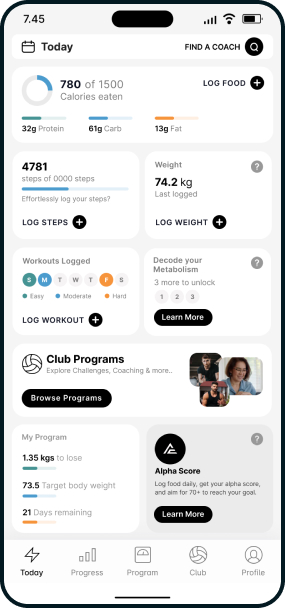
An easier method: check most Indian foods and serving sizes using the Alpha Coach Indian Food Calorie Calculator. A 1-2g difference from your actual portion won’t meaningfully change anything.
What About Other Besan Foods?
Besan is much bigger than chilla. The protein in the besan itself stays fairly constant what changes is how much besan is used per dish, and what else comes with it.
Gatte ki sabzi: Gatte are largely besan-based, so they contribute meaningful protein. But once turned into a sabzi, final nutrition also depends on the gravy, curd, and oil used.
Khandvi: Besan and curd are both important here, so khandvi does carry useful protein. A normal plate, though, uses much less dry besan than the headline 100g figure.
Kadhi: Contains besan, but usually not much. Curd adds some protein too. Kadhi isn’t nutritionally comparable to a large besan chilla just because both contain besan.
Pakora and bhajia: Yes, they contain besan, but that doesn’t make them high-protein snacks. Deep frying adds considerable fat and calories alongside whatever protein the besan brings. Enjoy pakoras for what they are no need to recruit protein as their defence lawyer.
Sev: Same issue. Besan is the main ingredient, so protein is present, but sev is fried and calorie-dense. If efficient protein is your goal, there are better ways to use besan.
Missi roti: Usually a mix of wheat flour and besan, so protein depends on the ratio. A roti with 25% besan and one with 60% besan won’t have the same nutrition.
Dhokla: Besan-based dhokla contributes protein too; again, serving size and recipe decide how much.
The practical takeaway: “made with besan” doesn’t automatically mean “high protein.” The amount of besan in your actual serving is what matters.
Related Post: Protein in Chickpeas per 100g: How Much Protein Do Chickpeas Have?
Is Besan Chilla a Good High-Protein Breakfast?
A plain 2 chilla breakfast using 50-60g besan gives roughly 10-12g protein from besan. Decent but if you’re targeting 20-25g protein at breakfast, there’s an easier route than making increasingly enormous chillas. Add another protein source:
- besan chilla + curd or Greek yogurt
- paneer-filled chilla
- tofu-filled chilla
- eggs on the side
- soy flour mixed into the batter
That same basic breakfast can move toward 20g+ protein fairly easily. For more ideas, see our high-protein Indian breakfast guide.
What About the Quality of Protein in Besan?
Quantity is only half the story. Proteins are built from amino acids, and chickpea protein while containing all essential amino acids runs relatively lower in sulphur-containing ones like methionine, similar to other pulses. Cereals bring a different amino acid profile.
This is exactly why a varied Indian diet works so well: dal with rice, besan with wheat, pulses alongside dairy, soy, or eggs. You don’t need to nail the perfect amino-acid combination at every single meal what you eat across the day matters more.
Besan for Weight Loss: Is Besan Good for Weight Loss?
Besan fits well into a weight-loss diet. It brings protein and fibre, both of which help meals feel more satisfying, and chickpeas are a nutrient-dense source of protein, carbs, and fibre generally.
But the recipe still decides the outcome. Two lightly cooked chillas filled with vegetables are very different from a plate of deep-fried pakoras, even with the same base flour. Oil deserves particular attention one tablespoon adds meaningful calories without making the portion look any bigger.
Besan itself doesn’t “burn fat.” If weight loss is the goal, total calorie intake still runs the show. It’s worth tracking homemade Indian meals, calories, and macros with the Alpha Coach Pro app while targeting weight loss.
Besan vs Atta: Which Has More Protein?
In the besan vs atta comparison, besan typically contains more protein per 100g than regular wheat atta. That makes it useful for nudging up the protein density of a meal whether through besan-based dishes, mixing it into atta, or rotating it with other dals and grains. There’s no requirement to replace atta entirely; it’s about balance.
Besan vs Sattu: Same Thing?
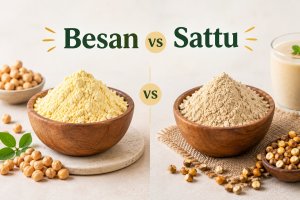
No and this is one of the most common mix-ups after besan vs atta. Both are usually made from Bengal gram, but processing differs:
- Besan – flour ground from raw gram
- Sattu – gram roasted before grinding
That processing difference means protein and calorie counts can vary between the two. Check the nutrition label rather than assuming besan numbers apply to sattu.
Can Besan Help Build Muscle?
Yes, besan contributes to overall protein and calorie intake, which supports muscle growth. But muscle building depends on the bigger picture: adequate daily protein, resistance training, progressive overload, and recovery. Besan can play a role in that. It just can’t lift the weights for you.
Realetd Post: Protein in Dal per 100g (Raw vs Cooked)
Besan Nutrition FAQs
How much protein is there in 100g besan?
Around 20-22g protein per 100g dry besan a useful practical range for besan protein per 100g.
How much protein is there in one besan chilla?
A medium homemade chilla using 20-30g dry besan gives roughly 4-6g protein from the besan the typical answer when people ask about 1 besan chilla protein.
How much protein is there in two besan chillas?
Generally 8-12g protein from besan, depending on size and recipe.
Is besan high in protein?
Relatively high compared with common flours, though not a concentrated protein source like whey.
Which besan foods give you more protein?
Foods made mostly with besan chilla, gatte generally give more protein than dishes like kadhi, where less besan is used per serving. Adding paneer or tofu raises it further.
Is besan good for weight loss?
Yes, when used well 2 lightly cooked chillas are very different from a plate of pakoras or sev.
What is besan calories per 100g?
Roughly 365 calories, alongside 62g carbohydrate, 20-22g protein, and 5g fat.
The Bottom Line
100g dry besan gives roughly 20-22g protein a solid answer to “protein in besan per 100g,” but your actual meal rarely contains exactly 100g. One medium chilla gives roughly 4-6g protein from besan; two give around 8-12g. Gatte, kadhi, khandvi, pakora, and missi roti will all land at different numbers simply because the amount of besan used differs.
Use the 100g figure as a reference, not a serving assumption. For what you actually eat, log the meal on Alpha Coach or any calorie tracker for a clearer read on calories, protein, and other nutrients.
Overall, besan nutrition makes it a solid way to add protein to an Indian vegetarian diet – pair it with curd, paneer, tofu, soy, or eggs, and a higher-protein meal becomes much easier to reach.
 2







Vibhor
I’m glad vegetarian protien options are getting viral again, really helpful for people trying to hit their goals without animal products!
Gargi Sharma
Pretty informative, thank you for the breakdown of various besan made dishes, genuinely helps in tracking your protein goals.