


 355 views
Peanuts have an interesting nutrition profile. Look only at protein and they seem excellent. Look only at calories, and you may suddenly develop more respect for the size of a handful.
Protein in peanuts per 100g comes to roughly 24-26g, depending on whether they’re raw or roasted. Dry-roasted unsalted peanuts, for instance, are listed at around 24.4g protein and 587 calories per 100g in USDA data.
But 100g of peanuts isn’t a casual snack. A more realistic 25-30g handful gives roughly 6-8g protein a very different number from the one on the label.
Peanut Protein in Practical Portions
| Peanuts | Approx. Protein |
| 25 g | 6 g |
| 30 g | 7-8 g |
| 50 g | 12-13 g |
| 100 g | 24-26 g |
The protein is real. So are the calories. Peanuts carry a lot of fat mostly unsaturated which is exactly why a relatively small quantity packs so much energy. Check calories in roasted peanuts and peanut butter alongside other Indian snacks.
Are Peanuts a High-Protein Food?
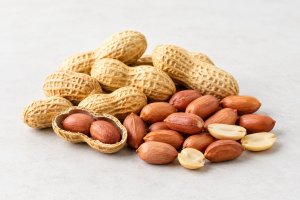
Better to call peanuts a protein-containing, high-energy food than a primary protein source.
Say you want 25g protein. Getting all of it from peanuts means eating close to 100g and taking in well over 500 calories. The same protein target is reached very differently with tofu, eggs, lean dairy, or whey with a fraction of the calorie cost.
That doesn’t make peanuts inferior. It just tells you where they actually fit in a diet. Peanuts and dal also complement each other. See protein in arhar dal per 100g.
Peanuts Calories: The Number That Sneaks Up on You
This is the half of peanuts nutrition that the “24g protein” headline conveniently leaves out. Per 100g, roasted peanuts run around 587 calories, alongside roughly 49g fat, 21g carbohydrate, and 8g fibre.
| Nutrient (per 100g roasted peanuts) | Approx. Value |
| Calories | 587 kcal |
| Protein | 24-26 g |
| Fat | 49 g |
| Carbohydrate | 21 g |
| Fibre | 8 g |
Scale that down to a realistic 25–30g handful and you’re still looking at roughly 145-175 calories before you’ve reached for a second handful, which, with peanuts, happens more easily than most people realize.
Related post: Protein in Oats Per 100g: How Much Protein Does It Really Have?
The Small-Handful Problem
Peanuts are unusually easy to eat without noticing the quantity. A bowl sits on the table, and the hand keeps making return trips.
For someone trying to gain weight, that calorie density is genuinely useful. For someone trying to lose weight, a measured handful makes far more sense than free-flow peanuts from a large packet.
Weigh out 25g or 30g once, just to see what it actually looks like in a bowl. You probably won’t need the kitchen scale again after that.
Groundnut Protein in Indian Meals
Across much of India, peanuts are known as groundnuts, and groundnut protein shows up in far more dishes than most people realize not just as a snack. They add crunch and protein to poha, upma, and salads. Peanut chutney brings both flavour and calories. In Maharashtra and Gujarat especially, groundnuts turn up in enough everyday foods that nobody needs convincing about their versatility.
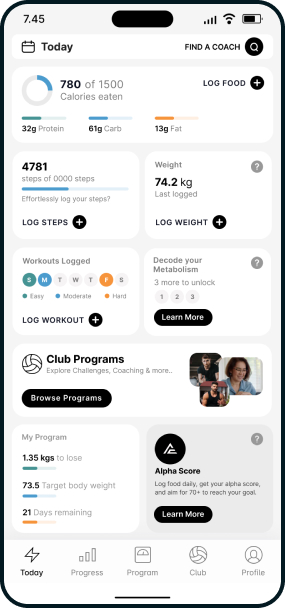
Just remember: adding peanuts to an already complete meal adds nutrition, but it adds energy too. The Alpha Coach calorie calculator or any food tracker can help you see what the whole plate looks like once peanuts are in the mix.
Peanut Butter Protein: Does It Hold Up?
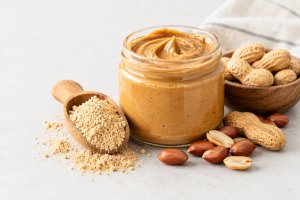
Peanut butter is convenient, tasty, and does contain protein simply because it’s made from peanuts. But peanut butter protein‘s reputation sometimes runs ahead of the actual numbers.
A single tablespoon generally gives only a few grams of protein. Use two generous spoonfuls and the calorie count climbs just as quickly as the protein does.
So enjoy peanut butter because you like it, or because its mix of fats, protein, and calories fits your overall diet but it’s not a substitute for a concentrated protein source like whey, paneer, or eggs.
Peanuts and Weight Loss
You don’t need to cut peanuts from a weight-loss diet. A small, measured portion can be genuinely satisfying. The issue is quantity, not the existence of peanuts.
Twenty-five grams and 100 grams are the same food. They are not the same snack.
Peanuts Nutrition FAQs
How much protein is in 100g peanuts?
Roughly 24-26g, depending on whether they’re raw or roasted.
How much protein is in a normal handful of peanuts?
A 25-30g handful gives roughly 6-8g protein a more realistic number than the 100g figure.
What are peanuts calories per 100g?
Around 587 calories per 100g roasted peanuts, alongside 49g fat and 21g carbohydrate.
Is groundnut protein the same as peanut protein?
Yes, groundnut and peanut refer to the same food; the protein content is identical.
Does peanut butter have as much protein as peanuts?
Gram for gram, roughly similar, but a typical tablespoon serving of peanut butter delivers only a few grams of protein alongside a fast-rising calorie count.
Are peanuts good for weight loss?
In moderation, yes the fibre and protein help with satiety, but portion size matters far more with peanuts than with most other foods.
Also Read: 150+ Gym Quotes & Instagram Captions
The Takeaway
Protein in peanuts per 100g sits at roughly 24-26g a genuinely strong number. In real life, though, a 25-30g handful gives closer to 6-8g.
That makes peanuts useful for protein, healthy fats, and energy. Just don’t let the impressive per-100g protein figure hide the equally impressive calorie figure sitting right next to it.
 0











Leave a Reply