


 5 views
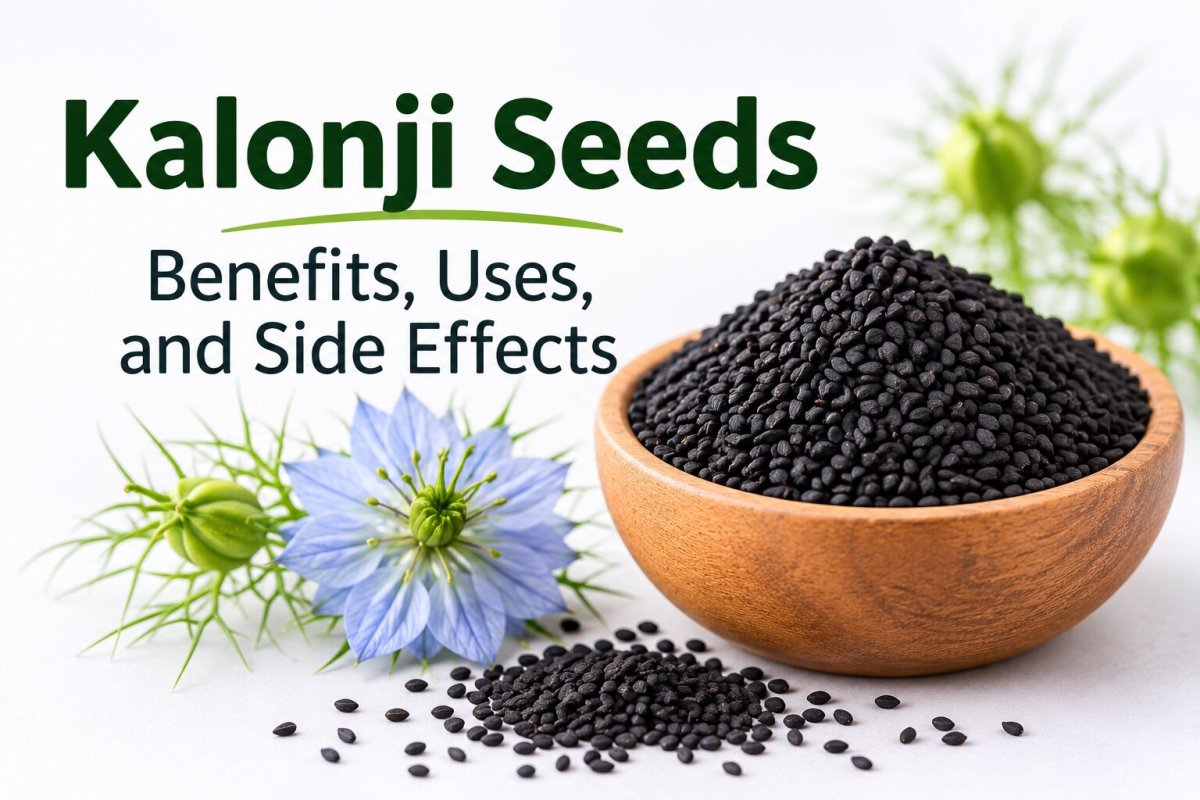
Kalonji is one of those ingredients that sits somewhere between spice rack and traditional remedy.
The tiny black seeds of Nigella sativa have been used for centuries across India, the Middle East and Mediterranean regions. They are sprinkled over naan, added to pickles and mixed into spice blends, while black seed oil is also sold as a supplement.
Nutritionally, kalonji contains protein, fibre, unsaturated fats and minerals such as calcium, magnesium and iron. It also contains thymoquinone, the plant compound responsible for much of the scientific interest surrounding Nigella sativa.
There is promising research around blood glucose, cardiovascular risk factors and weight management, but this needs perspective. Most clinical studies use concentrated powders, extracts or oils rather than the quarter-teaspoon of seeds normally added to food.
So kalonji can certainly be part of a healthy diet. It should not be treated as a replacement for medication or medical care.
What Are Kalonji Seeds?
Kalonji comes from Nigella sativa, an annual flowering plant belonging to the Ranunculaceae family.
The seeds are small, angular and black, with a slightly bitter, peppery flavour.
Other Names of Kalonji Seeds
Kalonji is also called:
- Black seed
- Nigella seed
- Nigella sativa
- Black cumin
- Black caraway
- Roman coriander
One point of confusion is worth clearing up: black cumin is not always kalonji. The name is also sometimes used for Bunium persicum, or shahi jeera, which is a different spice.
Where Do Kalonji Seeds Come From?
Nigella sativa is associated historically with Southwest Asia and has long been used in Indian, Middle Eastern and Mediterranean cooking.
Its culinary use is straightforward: small quantities are used for flavour.
Traditional medicinal use is different. Oils, powders and extracts may provide far larger doses of active compounds than you would get from seasoning food. That distinction matters when discussing benefits and side effects.
Kalonji Seeds Nutrition Facts Per 100g
There is no single universal nutrition profile for kalonji. Published analyses vary substantially according to seed variety, geography and laboratory method.
One recent analysis found about 23% protein, 32% fat and 6% fibre, while newer studies across different varieties report roughly 18–23% protein and 41–44% fat.
A representative profile is:
| Nutrient | Approximate Amount per 100 g |
| Calories | ~480–500 kcal |
| Protein | ~20–23 g |
| Carbohydrate | ~29–33 g |
| Dietary fibre | ~6 g |
| Total fat | ~31–33 g |
| Calcium | ~570 mg |
| Iron | ~9–10 mg |
| Magnesium | ~260–265 mg |
| Potassium | ~800 mg |
| Zinc | ~6 mg |
Values can vary considerably between seed varieties.
More importantly, nobody normally eats 100 g of kalonji. A quarter to one teaspoon contributes only a small fraction of those nutrients.
Key Nutrients in Kalonji Seeds
Thymoquinone
Thymoquinone, or TQ, is the best-known bioactive compound in kalonji.
It is concentrated particularly in the seed’s volatile oil and has demonstrated antioxidant and anti-inflammatory activity in laboratory research. Its concentration varies widely depending on seed type and extraction method.
Interesting research does not automatically make it a medicine, however. Laboratory effects and everyday culinary consumption are not the same thing.
Dietary Fibre
Kalonji contains fibre, which contributes to normal digestive health.
Given the very small quantities normally eaten, though, it is not a meaningful substitute for vegetables, fruits, whole grains or pulses.
Plant-Based Protein
Around one-fifth or more of the seed’s weight may be protein.
Again, serving size matters. A teaspoon contains only a small amount, so kalonji should not be counted as a major daily protein source.
Healthy Fats
Kalonji seeds contain substantial amounts of fixed oil, including unsaturated fatty acids.
This fat content is also why their calorie content is much higher than some online nutrition tables suggest.
Iron, Calcium and Magnesium
Kalonji contains useful amounts of all three minerals per 100 g.
At culinary serving sizes, however, they make a modest contribution rather than supplying a large proportion of daily needs.
Antioxidants
Along with thymoquinone, Nigella sativa contains compounds including carvacrol, p-cymene, alkaloids and other phytochemicals.
These help explain why the plant has attracted substantial scientific interest.
Top Health Benefits of Kalonji Seeds

Rich in Antioxidant Compounds
Thymoquinone and other compounds in kalonji demonstrate antioxidant activity.
That is scientifically plausible, but claims that kalonji “detoxifies” the body go beyond the evidence.
May Support Heart Health
Clinical research on Nigella sativa supplementation has reported modest improvements in blood pressure, cholesterol and other cardiovascular risk markers in some populations.
A large 2025 meta-analysis covering 82 trials found improvements across several cardiometabolic measures, although results varied between studies.
Kalonji should therefore be viewed as a possible adjunct, not a heart treatment.
May Help Maintain Healthy Blood Sugar
This is one of the better-studied areas.
A 2024 meta-analysis of 30 randomised trials found reductions in fasting blood glucose and HbA1c with Nigella sativa supplementation, while noting substantial variation between studies and uncertainty around ideal dose and duration.
People taking diabetes medication should not add concentrated black seed supplements casually because combining glucose-lowering effects could potentially lead to excessively low blood sugar.
Supports Digestive Health
Kalonji has long been used traditionally for digestive complaints.
As a culinary spice it is perfectly reasonable to include it in meals, but evidence for treating digestive conditions remains much weaker than many traditional claims suggest.
May Help with Weight Management
Some research suggests modest reductions in weight or BMI from supplementation.
A recent meta-analysis reported an average weight reduction of around 1.6 kg in people with metabolic diseases, but study quality and outcomes varied.
That does not turn a teaspoon of kalonji into a fat burner.
Diet, calorie balance, activity and adherence still matter far more.
Supports Immune Function
Kalonji contains bioactive plant compounds, and immune-related effects have been explored experimentally.
It is safer to say it can form part of a nutrient-rich diet than to claim it “boosts immunity”.
May Support Healthy Skin and Hair
Black seed oil is widely used topically for skin and hair.
There is some biological rationale through its oil and antioxidant compounds, but strong clinical evidence for hair growth remains limited.
It can also cause contact dermatitis in some people.
Is Kalonji Good for Weight Loss?
Possibly as a small supporting factor, but expectations should remain realistic.
Research on supplements has found modest effects in some trials. That does not mean sprinkling kalonji over meals will independently cause weight loss.
Its fibre, fat and flavour may contribute slightly to satiety, but the normal culinary serving is tiny.
For weight management, use kalonji because you enjoy it, not because you expect it to compensate for excess calories.
Is Kalonji Good for Hair and Skin?
Kalonji oil is traditionally massaged into the scalp and used on the skin.
Its oils and phytochemicals may provide useful topical properties, but evidence for dramatic claims such as reversing hair loss is limited.
Hair growth depends on factors including genetics, iron status, protein intake, hormones and underlying medical conditions.
Patch-test topical black seed oil first because allergic skin reactions have been documented.
How to Use Kalonji Seeds
Kalonji is easiest to use as what it originally was: a spice.
Try it:
- In vegetable or dal preparations
- In pickles
- Sprinkled over naan or bread
- Mixed into yogurt
- Added to salads
- In savoury smoothies or drinks
- Steeped in herbal tea
- In traditional spice mixes
- In homemade seasonings
Light roasting can intensify the flavour.
Black seed oil is much more concentrated and should not be treated as nutritionally equivalent to a pinch of whole seeds.
How Much Kalonji Should You Eat Daily?
There is no official recommended daily intake.
For culinary use, roughly ¼ to 1 teaspoon is a reasonable amount for most healthy adults.
There is no need to increase this simply because a supplement study used a larger dose.
Whole seeds, powder and oil contain different concentrations of active compounds. If you are considering therapeutic-dose oil or supplements, discuss them with a healthcare professional, particularly if you take medication.
Best Time to Consume Kalonji Seeds
There is no proven “best time”.
Morning, evening and empty-stomach claims are mostly tradition rather than established science.
Use kalonji when it fits naturally into your meals.
Consistency matters more than clock time.
Kalonji Seeds vs Black Sesame Seeds
These two black seeds look superficially similar but are completely different foods.
| Feature | Kalonji | Black Sesame |
| Calories | ~480–500 kcal | ~573 kcal |
| Protein | ~20–23 g | ~17.7 g |
| Fibre | ~6 g | ~11.8 g |
| Fat | ~31–33 g | ~49.7 g |
| Calcium | ~570 mg | ~975 mg |
| Taste | Bitter, peppery | Nutty, mild |
| Best uses | Spice, pickles, breads | Toppings, sweets, tahini-style foods |
Sesame values are based on USDA whole sesame seed data.
Black sesame is the better everyday source of calcium and fibre. Kalonji is normally consumed as a spice in much smaller quantities.
Kalonji Seeds vs Cumin Seeds
Kalonji and cumin are also different spices.
Kalonji seeds are black, angular and slightly bitter.
Cumin seeds are longer, brownish and distinctly earthy.
Both contain plant compounds and minerals, but their main culinary purpose is flavour. Neither needs to be chosen over the other for health reasons.
Use cumin where you want warmth and earthiness; use kalonji where you want a sharper, peppery edge.
Possible Side Effects of Kalonji Seeds
Small amounts used in food are generally well tolerated.
Larger or concentrated doses may cause:
- Digestive discomfort
- Nausea or stomach upset
- Allergic skin reactions
- Potential medication interactions
Kalonji may affect blood glucose and potentially blood pressure, while laboratory evidence also raises possible interactions with drug-metabolising enzymes and warfarin. The clinical significance of some of these interactions is still uncertain.
Pregnancy requires particular caution. Culinary quantities are different from medicinal doses, and safety data for concentrated use are limited. Some safety references advise avoiding quantities above normal food use during pregnancy.
Breastfeeding safety data are also limited.
Who Should Avoid Kalonji Seeds?
Speak with a healthcare professional before using concentrated kalonji products if you:
- Have a seed allergy
- Take diabetes medication
- Take anticoagulants or other medicines affecting clotting
- Are pregnant or breastfeeding
- Are preparing for surgery
- Take medicines with a narrow therapeutic range
This caution mainly applies to supplements, powders and oils used medicinally rather than normal amounts used in food.
How to Buy and Store Kalonji Seeds
Buying Tips
Choose whole seeds that:
- Have a strong, fresh aroma
- Come from a reputable brand
- Are free from moisture and visible contamination
- Are packed in a properly sealed container
Whole seeds generally retain flavour longer than pre-ground kalonji.
Storage Tips
Keep kalonji:
- In an airtight container
- In a cool, dry cupboard
- Away from sunlight and heat
- Protected from moisture
If the seeds smell stale, musty or rancid, replace them.
Frequently Asked Questions
What Are Kalonji Seeds?
They are the seeds of Nigella sativa, commonly used as a spice in Indian, Middle Eastern and Mediterranean cuisines.
What Are the Benefits of Kalonji Seeds?
They contain healthy fats, protein, minerals and bioactive compounds such as thymoquinone. Research suggests potential cardiometabolic benefits, although concentrated supplements have been studied more than culinary quantities.
Can I Eat Kalonji Seeds Every Day?
Small culinary quantities can generally be used regularly by healthy adults.
Is Kalonji Good for Weight Loss?
It may have modest effects in supplement studies, but it is not a fat-burning food.
Is Kalonji Good for Hair Growth?
Evidence is limited. Black seed oil is traditionally used on hair, but it is not a proven treatment for hair loss.
What Is the Best Way to Consume Kalonji?
Use small amounts in vegetables, pickles, yogurt, bread or spice mixes.
Are Kalonji and Black Cumin the Same?
Kalonji is often called black cumin, but that name can also refer to other spices such as Bunium persicum.
Can People With Diabetes Consume Kalonji?
Culinary amounts generally fit into a normal diet. Concentrated supplements require more caution because research suggests they may reduce blood glucose.
What Are the Side Effects of Kalonji?
Possible effects include digestive upset, allergic reactions and interactions with some medicines, particularly when used in concentrated forms.
How Much Kalonji Should I Eat Daily?
For ordinary culinary use, around ¼ to 1 teaspoon is a sensible range. There is no established requirement to consume it every day.
Conclusion
Kalonji has earned its place in traditional cooking for good reason.
It adds a distinctive flavour while supplying fats, protein, minerals and bioactive compounds such as thymoquinone.
The research is also more interesting than the hype might suggest. Studies have found potential effects on blood glucose, cholesterol, blood pressure and body weight, although most of that evidence comes from supplements or concentrated preparations, not the tiny amounts used in cooking.
That distinction matters.
Use kalonji freely as a spice if you enjoy it. Treat oils and supplements more cautiously, particularly if you take medication or are pregnant.
Kalonji can be a useful part of a healthy diet. It does not need to be a miracle cure to be worth eating.
 0













Leave a Reply