
 200 views
Walk into any gym, scroll through fitness Instagram, or talk to someone trying to lose weight, and one nutrient always dominates the conversation: protein.
Yet despite all the attention it gets, one simple question often goes unanswered:
How much protein do you actually need?
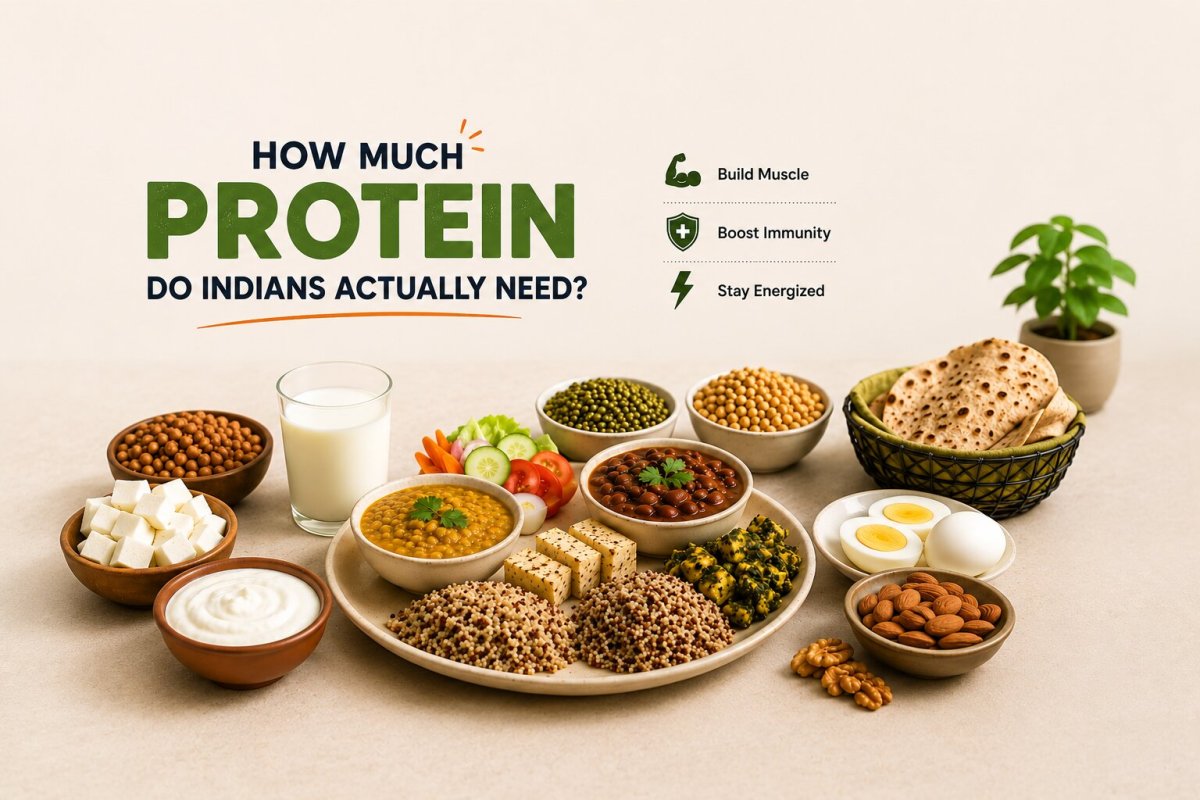
Many Indians assume they’re getting enough because they eat dal regularly, drink a glass of milk, or occasionally include paneer in their meals. But when those meals are added up over an entire day, protein intake is often much lower than expected.
At the same time, it’s easy to get overwhelmed by conflicting advice. One person says everyone needs protein shakes. Another insists dal is enough. Social media is full of recommendations that range from sensible to unrealistic.
The truth is much simpler.
Your protein needs depend on your age, activity level, goals and not on what’s trending online. Someone trying to build muscle needs more protein than someone who’s largely sedentary, while an older adult may benefit from a higher intake to help preserve muscle and strength.
In this guide, we’ll answer how much protein per day most Indians actually need, explain how those requirements change with different goals, and share a practical database of protein-rich Indian foods for both vegetarians and non-vegetarians. You’ll also learn when a protein calculator can be useful and how to tell if you’re getting enough protein without overcomplicating your diet.
Why Protein Matters More Than You Think
Protein is often associated with bodybuilders and athletes, but its role goes far beyond building muscle.
Every day, your body uses protein to repair tissues, support immune function, produce hormones and enzymes, and maintain healthy skin, hair, and bones. It’s constantly being broken down and rebuilt, which is why regular protein intake is important regardless of whether you exercise.
Protein also plays a practical role in everyday nutrition. It helps you feel fuller after meals, supports recovery after physical activity, and makes it easier to maintain muscle while losing weight. That’s one reason many nutrition experts encourage increasing protein intake during fat-loss diets.
The amount you need, however, isn’t the same for everyone.
Someone who spends most of the day at a desk has different protein requirements from someone training five days a week. Likewise, a person trying to gain muscle will usually need more protein than someone simply looking to maintain good health.
Rather than asking whether you’re eating “a lot” of protein, it’s more useful to ask whether you’re eating enough for your own goals.
How Much Protein Do You Actually Need?
There isn’t one number that works for everyone.
Your ideal protein intake depends on factors such as your body weight, activity level, age, and whether your goal is general health, weight loss, or muscle gain.
The table below provides practical daily protein targets that are widely supported by current nutrition research.
| Goal | Recommended Protein Intake |
| General health | 0.8–1.0 g/kg body weight |
| Weight loss | 1.2–1.6 g/kg |
| Muscle gain / Strength training | 1.6–2.2 g/kg |
| Endurance athletes | 1.2–1.6 g/kg |
| Older adults (50+) | 1.2–1.6 g/kg |
For example:
- A 60 kg adult aiming for general health needs around 48–60 g of protein each day.
- The same person trying to build muscle would benefit from approximately 95–130 g.
- Someone weighing 75 kg and focusing on fat loss should aim for roughly 90–120 g per day.
These numbers are guidelines, not rules. You don’t have to hit the exact target every day. What’s more important is consistently getting close to your requirements over time.
If you’re unsure where to begin, using a protein calculator based on your body weight and activity level can give you a good starting point before making gradual changes to your diet.
Do Most Indians Get Enough Protein?
For many people, probably not.
Traditional Indian meals are often rich in calories and carbohydrates, with rice or roti forming the largest part of the plate. While foods like dal, curd, and legumes do contribute protein, the portions are sometimes too small to meet daily requirements—especially for people who exercise regularly or are trying to build muscle.
For example, a typical day might include toast for breakfast, dal and rice for lunch, tea with biscuits in the evening, and roti with sabzi for dinner. While these meals can be nutritious, they may still fall short of the protein needed for muscle maintenance or recovery.
This doesn’t mean Indian food is low in protein. It simply means that many people don’t eat enough protein-rich foods often enough throughout the day.
The good news is that fixing this usually doesn’t require a complete diet overhaul. Small changes (such as including an extra serving of dal, adding curd or paneer to a meal, choosing Greek yogurt as a snack, or increasing portions of other protein-rich foods) can make a meaningful difference over time.
The first step is knowing how much protein your body actually needs.
The Biggest Myths About Protein
Protein is one of the most talked-about nutrients in nutrition, which also means it’s surrounded by misinformation. Let’s clear up a few of the most common myths.
Myth 1: Only People Who Go to the Gym Need Protein
Everyone needs protein, not just athletes.
Your body uses protein every day to repair tissues, support your immune system, maintain muscle, and carry out countless other functions. Exercise simply increases your requirements; it doesn’t create them.
Myth 2: Dal Alone Is Enough
Dal is an excellent source of plant protein and deserves a place in most Indian diets. However, relying on dal alone often isn’t enough to meet the higher protein needs of someone trying to lose fat or build muscle.
A better approach is to include a variety of protein sources such as dairy, soy foods, lentils, beans, and other legumes throughout the day.
Myth 3: Protein Is Bad for Your Kidneys
For healthy individuals, there’s no strong evidence that a higher-protein diet harms kidney function. People with existing kidney disease should follow medical advice, but for most healthy adults, eating enough protein as part of a balanced diet is both safe and beneficial.
Myth 4: Protein Powder Is the Only Way to Meet Your Needs
Protein powder is a convenient option, not a requirement.
Many people can comfortably meet their daily protein target through whole foods alone. Supplements are simply there to fill the gap when food isn’t practical.
Myth 5: Vegetarians Can’t Eat Enough Protein
They absolutely can.
With foods like paneer, Greek yogurt, soy chunks, tofu, milk, lentils, beans, and chickpeas, a well-planned vegetarian diet can provide plenty of protein for both general health and muscle growth.
The Ultimate Indian Protein Database
One of the easiest ways to improve your protein intake is knowing which foods provide the most protein per serving. The table below gives approximate values for some of the most commonly eaten Indian foods.
Vegetarian Protein Sources
| Food | Serving | Protein (Approx.) |
| Soy chunks | 50 g (dry) | 25 g |
| Whey protein | 1 scoop | 24–25 g |
| Paneer | 100 g | 18–20 g |
| Greek yogurt | 200 g | 18–20 g |
| Tofu | 100 g | 10–12 g |
| Milk | 250 ml | 8 g |
| Curd | 200 g | 7–8 g |
| Moong dal (cooked) | 1 cup | 14 g |
| Rajma (cooked) | 1 cup | 15 g |
| Chole (cooked) | 1 cup | 14–15 g |
| Chickpeas (cooked) | 1 cup | 14–15 g |
| Sprouts | 1 cup | 8–10 g |
| Oats | 50 g | 6–7 g |
| Roasted chana | 50 g | 9–10 g |
| Peanuts | 30 g | 7–8 g |
Non-Vegetarian Protein Sources
| Food | Serving | Protein (Approx.) |
| Chicken breast | 100 g | 30–31 g |
| Fish | 100 g | 20–25 g |
| Eggs | 2 large | 12–13 g |
| Prawns | 100 g | 20–24 g |
| Lean meat | 100 g | 25–28 g |
Don’t get caught up in finding the single “best” protein source. A combination of different foods across the day is usually the easiest and most sustainable way to meet your protein target.
High-Protein Indian Meals That Actually Work
Building a high-protein diet doesn’t mean eating plain paneer or grilled chicken at every meal. In fact, many familiar Indian meals can easily provide a good amount of protein with a few simple tweaks.
Breakfast
- Moong chilla with paneer
- Greek yogurt with fruit and nuts
- Vegetable omelette with whole wheat toast
- Oats made with milk and topped with seeds
Lunch
- Dal, rice, paneer sabzi, and curd
- Rajma with rice and salad
- Grilled chicken with roti and vegetables
- Tofu stir-fry with rice
Dinner
- Soy chunk curry with rotis
- Paneer bhurji with vegetables
- Fish curry with rice
- Chickpea salad with curd
Snacks
- Roasted chana
- Greek yogurt
- Boiled eggs
- Buttermilk
- Peanut butter on whole wheat toast
These meals combine protein with carbohydrates and healthy fats, making them suitable for general health, muscle building, or active lifestyles.
Easy Ways to Increase Protein Without Changing Your Entire Diet
Improving your protein intake doesn’t have to mean completely changing how you eat.
Often, the smallest changes are the easiest to stick with.
You could replace regular curd with Greek yogurt, add an extra bowl of dal to lunch, include paneer or tofu in a vegetable dish, or choose roasted chana instead of biscuits as an evening snack. Even drinking a glass of milk before bed or adding sprouts to your breakfast can help increase your daily intake.
The goal isn’t to build every meal around protein.
It’s to make sure each meal contains some protein.
Those small additions add up quickly over the course of a day and are often enough to close the gap between what you’re eating now and what your body actually needs.
How to Spread Your Protein Across the Day
Getting enough protein is important, but how you spread it across your meals can also make a difference.
Instead of eating most of your protein at dinner, aim to include a good source of protein in every meal. This gives your body a more consistent supply of amino acids throughout the day and makes it much easier to reach your daily target.
A simple approach is to aim for around 20–40 grams of protein per meal, depending on your body size and daily requirement.
For example:
- Breakfast: Moong chilla with paneer or eggs with toast
- Lunch: Dal, rice, paneer or chicken, and curd
- Snack: Greek yogurt, roasted chana, or a glass of milk
- Dinner: Tofu, soy chunks, fish, or paneer with vegetables and roti
Don’t worry about making every meal perfect. What matters most is your total protein intake over the day, with a reasonably even distribution across meals.
Do You Need Protein Powder?
Probably not, but it can be useful.
One of the biggest misconceptions is that everyone needs protein shakes to stay healthy or build muscle. In reality, protein powder is simply a convenient way to increase your protein intake when food alone isn’t enough.
If you’re already meeting your daily protein target through meals, there’s no nutritional advantage to adding a protein shake. However, if you have a busy schedule, struggle to eat enough protein, or train regularly, a scoop of whey or plant-based protein can make it much easier to meet your requirements.
Think of protein powder as a convenience food, not a necessity. Whole foods should always form the foundation of your diet, while supplements are there to fill the gaps when needed.
Should You Track Your Protein Intake?
Most people underestimate how much (or how little) protein they eat.
That’s why tracking your protein intake for a week or two can be surprisingly helpful. It builds awareness of your eating habits, highlights where you’re falling short, and makes it easier to adjust your meals without guessing.
You don’t have to track forever. Once you become familiar with portion sizes and the protein content of common foods, many people find they can maintain good habits without logging every meal.
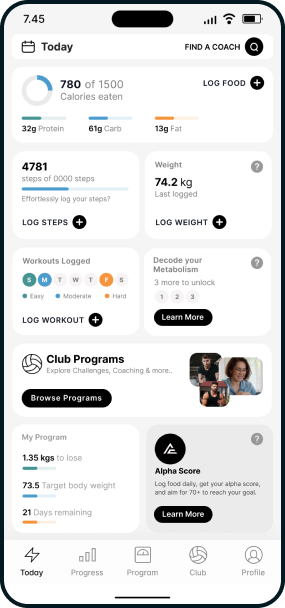
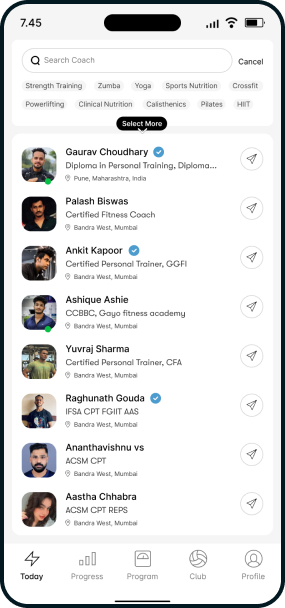
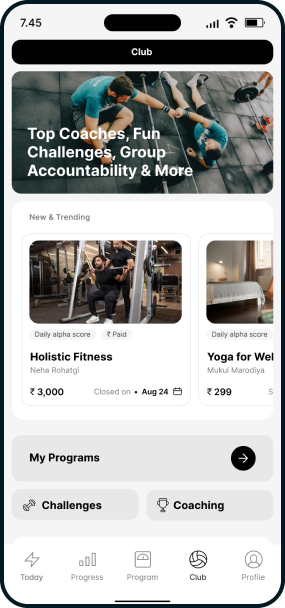
If you’re unsure where to start, using a protein calculator to estimate your daily requirement and a nutrition tracker to monitor your intake can provide a clear starting point. Apps like Alpha Coach make this easier by calculating your protein needs based on your goals and helping you track your meals using a large database of Indian foods.
The goal isn’t perfect tracking; it’s making informed decisions instead of relying on guesswork.
Common Protein Mistakes
Eating more protein isn’t just about adding a shake after your workout. There are a few common mistakes that can prevent people from meeting their daily requirements.
Skipping Protein at Breakfast
Many Indian breakfasts are dominated by carbohydrates. Adding milk, Greek yogurt, eggs, paneer, or sprouts can make the first meal of the day far more balanced.
Relying on One Protein Source
No single food has to do all the work. A varied diet that includes dairy, legumes, soy foods, eggs, fish, or lean meat makes it much easier to meet your target.
Ignoring Portion Sizes
Eating dal or paneer is great, but very small portions may not provide as much protein as you think. Knowing approximate serving sizes helps you estimate your intake more accurately.
Depending Only on Supplements
Protein powders are convenient, but they shouldn’t replace balanced meals. Whole foods provide vitamins, minerals, fibre, and other nutrients that supplements don’t.
Only Thinking About Protein After Exercise
Protein isn’t just for post-workout recovery. Including it consistently throughout the day supports muscle maintenance, satiety, and overall health.
Signs You’re Eating Enough Protein
You don’t need a blood test to know whether your protein intake is improving.
Some of the first signs are surprisingly practical.
You may notice that you stay full for longer after meals, recover better from workouts, maintain your strength while losing weight, or find it easier to build muscle over time. Regular exercisers often notice better performance and less soreness, while older adults may benefit from preserving muscle and strength as they age.
These changes don’t happen overnight, but they’re good indicators that your diet is moving in the right direction.
Conclusion
Getting enough protein doesn’t require a complicated diet or expensive supplements.
For most people, it’s about understanding how much protein they actually need, choosing protein-rich foods more often, and building balanced meals that are easy to repeat.
Whether your goal is better health, weight loss, or muscle gain, consistency matters far more than perfection. One high-protein meal won’t transform your results, just as one low-protein day won’t ruin them.
If you’re unsure whether you’re meeting your daily target, a protein calculator and a nutrition tracker can remove the guesswork. With Alpha Coach, you can estimate your protein requirements, log Indian meals, and monitor your intake over time, making it easier to build habits that last.
The best protein plan isn’t the most complicated one. It’s the one you can realistically follow every day.
Frequently Asked Questions
How much protein do I need per day?
It depends on your body weight, activity level, and goals. Most healthy adults need around 0.8–1.0 g per kilogram of body weight, while people aiming for weight loss or muscle gain often benefit from a higher intake.
How much protein do I need to build muscle?
Most research suggests 1.6–2.2 g of protein per kilogram of body weight per day is ideal for supporting muscle growth when combined with regular strength training.
How much protein should I eat for weight loss?
A higher protein intake around, 1.2 — 1.6 g per kilogram of body weight, can help preserve muscle and keep you feeling fuller while you’re in a calorie deficit.
Is dal enough to meet my daily protein needs?
Dal is an excellent source of plant protein, but for many people it isn’t enough on its own. Combining it with foods like curd, paneer, soy, beans, or other protein-rich foods makes it easier to meet your daily requirement.
Which Indian food has the most protein?
Among commonly eaten Indian foods, soy chunks, paneer, Greek yogurt, chicken, fish, eggs, tofu, and lentils are some of the richest protein sources.
Can vegetarians get enough protein?
Yes. A well-planned vegetarian diet that includes dairy, soy foods, lentils, beans, and other legumes can easily provide enough protein for general health, weight loss, and muscle building.
Do I need whey protein?
Not necessarily. Whey protein is a convenient option if you struggle to meet your daily protein target through food, but it’s not essential if your diet already provides enough protein.
Is eating too much protein harmful?
For most healthy people, eating a higher-protein diet within recommended ranges is considered safe. If you have an existing kidney disease or another medical condition, it’s best to follow advice from your healthcare provider.
Should I track my protein intake?
Tracking can be very useful, especially when you’re trying to build muscle or lose weight. Even tracking for a few weeks can help you understand your eating habits and identify where you can improve.
What’s the easiest way to calculate my protein needs?
A protein calculator that considers your body weight, activity level, and goals is one of the simplest ways to estimate your daily requirement. From there, a nutrition tracker can help you monitor whether you’re consistently meeting that target.
 2
2





Leave a Reply