

 844 views
Intermittent fasting has become more than just another diet trend. Science supports this approach, which helps manage weight and may even reverse certain diseases. The evidence presents a compelling case for anyone seeking to adopt an environmentally responsible eating pattern that is effective. Research shows this time-restricted eating doesn’t just help with weight loss. It also lowers your risk of type 2 diabetes, heart conditions, and rheumatoid arthritis.
The 16/8 intermittent fasting method stands out because it’s simple and delivers impressive results. This eating pattern makes you fast for 16 hours and eat during an 8-hour window. Your body burns through meal calories and then taps into fat stores. On top of that, research shows that 11 out of 13 studies on intermittent fasting reported substantial weight loss among participants. A review of 27 studies confirmed weight loss percentages from baseline in people who followed this eating pattern.
This piece will teach you everything about the 16/8 intermittent fasting schedule. You’ll learn about its effects on metabolism and get practical tips to make it work in your daily life. This could be the change your body needs, whether you’re just starting with fasting or want to improve your current approach.
What is 16/8 Intermittent Fasting?
The 16/8 intermittent fasting method stands out as one of the simplest ways to do time-restricted eating. This pattern splits your day into two parts: you fast for 16 hours and eat during an 8-hour window. Unlike regular diets that tell you what to eat, this method lets you decide when to eat, making it work well for different people.
Understanding the 16 hour fasting cycle
The 16-hour fasting period is the life-blood of this method. You don’t eat any foods or drinks containing calories during this time. You can still drink water, black coffee, and other zero-calorie beverages to stay hydrated and handle hunger. People find this approach works well since they sleep through about half of the fasting time.
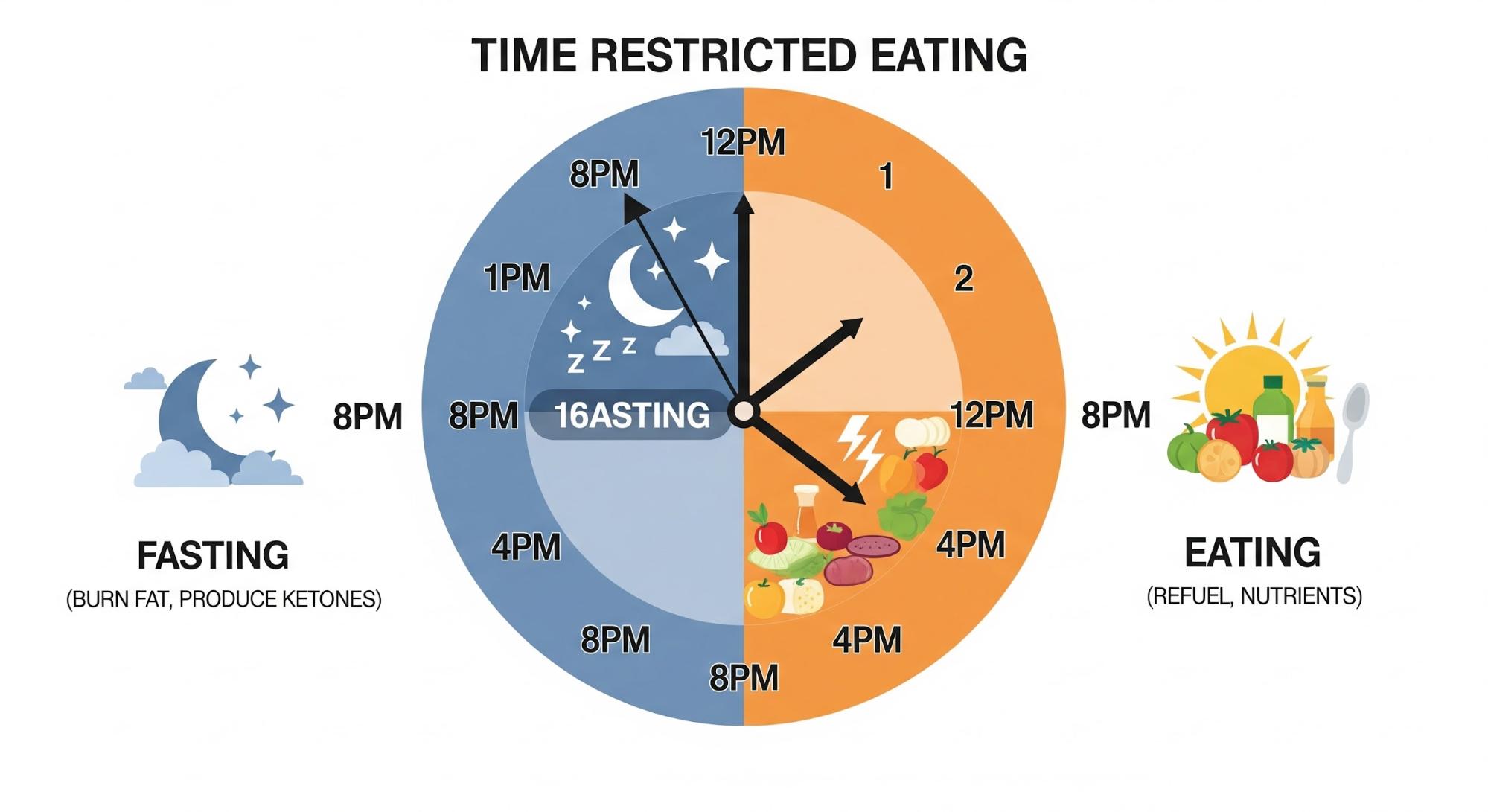
The 16-hour fast brings some powerful benefits to your metabolism. Your body changes from using glucose as fuel to burning stored fat after several hours without food. Some people’s bodies start producing ketones: molecules created as your body breaks down fat for energy, after sixteen hours of fasting.
This fasting cycle works so well because it’s simple—you just sleep longer and eat dinner a bit earlier than usual.
How the 8-hour eating window works
You get all your daily calories and nutrients during your 8-hour eating window. There aren’t strict rules about food choices during this time, but eating healthy foods helps you get the most from fasting.
People pick eating windows that match their daily routine and priorities:
- 9 a.m. to 5 p.m. (early day focus)
- 10 a.m. to 6 p.m. (midday emphasis)
- Noon to 8 p.m. (later day schedule)
The noon to 8 p.m. window is popular because you skip breakfast but still enjoy lunch, dinner, and afternoon snacks. Some people like eating between 9 a.m. and 5 p.m., which lets them have breakfast and lunch while finishing their meals earlier.
Eating regularly during your window helps keep blood sugar stable and prevents extreme hunger. Health experts suggest you stop eating 2-3 hours before bed since your metabolism slows down at night. Starting your fast three hours before sleep helps avoid late-night snacks that often pack lots of calories but few nutrients.
Also, Check How To Lose The First 10% Of Your Body Weight With Alpha Coach Evolve
Why is this method gaining popularity?
The 16/8 approach has become popular because it’s convenient and flexible. This fasting method merges easily with most lifestyles, unlike other diets with complex rules. You can do it as often as you want—once or twice a week or every day—based on your goals and schedule.
The 16/8 method needs less planning than other diets. You spend less time and money on food prep each week. Busy people love this practical benefit.
People who try it say they feel more energetic throughout the day. Clear eating boundaries help them control their food intake without counting calories or restricting specific foods.
Scientific evidence backing intermittent fasting’s health benefits has helped it spread. Studies connect this eating pattern to better heart health, including improvements in weight, blood sugar, blood pressure, and cholesterol levels.
How 16/8 Fasting Affects Your Body
Your body goes through remarkable changes during 16/8 intermittent fasting. This goes beyond just skipping breakfast. The process triggers a chain of metabolic changes that completely transform how your body creates and uses energy.
Metabolic switching and fat burning
Scientists call it “metabolic switching” – the key reason why 16/8 fasting works so well. Your body runs out of sugar stores after about 12 hours without food and starts using fat as fuel instead. This happens because your liver uses up its glycogen (stored glucose), which forces your system to find another energy source.
Your body switches from using glucose to burning stored fat. This change creates ketones – molecules that form as fat breaks down – which become an excellent alternative energy source. Most people start producing these ketones during the 16-hour fasting window.
The switch to fat burning does more than just reduce fat – it keeps your muscle mass intact. Your body uses ketones for energy rather than breaking down muscle protein. The process also kicks off cell repair mechanisms. Your mitochondria (the energy factories in your cells) work better, and your body’s natural antioxidant defences get stronger.
Studies show that regular fasting leads to several cell-level improvements:
- Better mitochondrial health and energy production
- Stronger cell repair and recycling
- Better ability to switch between energy sources
- Active longevity pathways
Know More: What is a calorie deficit?
Impact on insulin and blood sugar
The most dramatic changes happen in your insulin system. Blood insulin levels drop after 16 hours without food. This helps your body use fat stores more easily while becoming more sensitive to insulin during meals.
People who practice 16/8 fasting saw their insulin levels drop by 25% in just four weeks. Their insulin sensitivity got better, too. This matters because insulin resistance causes many chronic diseases, including type 2 diabetes and obesity.
More hormones change beyond just insulin. Your pancreas makes more glucagon after several fasting hours. This hormone keeps your glucose from dropping too low by telling your liver to release stored glucose. Your blood sugar stays steady even though you’re not eating.
These improvements create an upward spiral. Better insulin sensitivity means your body needs less insulin, which helps keep blood glucose normal. Some patients with pre-diabetes or type 2 diabetes have even stopped needing insulin therapy under medical supervision.
Effects on energy and focus
Most people feel more energetic with 16/8 fasting, not less. After a few days of adjustment, they report better mental clarity and steady energy levels.
Several factors explain these brain benefits. Ketones give your brain clean, efficient fuel. Steady blood sugar prevents the usual energy crashes that come with regular eating patterns.
Ketones help your brain by reducing inflammation and oxidative stress. Research shows that fasting makes working memory better in animals and verbal memory stronger in humans. These improvements likely come from healthier mitochondria that produce energy more efficiently.
Fasting affects your body’s natural rhythms, too. The 16/8 eating window matches your body’s natural metabolic peaks and strengthens healthy sleep-wake cycles. This timing helps optimise hormone production and cellular energy use, creating that sharp, energised feeling many people experience.
The benefits take time to kick in. You might feel tired at first while your body learns to use fat for fuel. This usually gets better within days as your metabolism becomes more flexible.
Also Checkout: Yoga for Stress Relief
How to Start 16/8 Intermittent Fasting
Want to try intermittent fasting? The 16/8 method is easier to start than you might think. You’ll need to pick an 8-hour eating window that works best with your daily routine and let your body adapt to this new pattern.

Choosing your 8-hour eating window
The right timing can make your fasting journey successful. Here are some popular 16/8 time windows:
- 7 a.m. to 3 p.m.
- 9 a.m. to 5 p.m.
- 12 p.m. to 8 p.m.
- 2 p.m. to 10 p.m.
Most people choose to eat between noon and 8 p.m. This lets them skip breakfast while keeping their usual lunch and dinner times. Some prefer 9 a.m. to 5 p.m., which includes breakfast and lunch but ends early.
Your personal schedule and natural rhythms will determine the best window. Health experts suggest you should avoid eating 2-3 hours before bed. Your body’s metabolism slows down at night, so starting your fast three hours before sleep helps prevent late-night snacking.
Sample 16/8 intermittent fasting schedule
Early-day focus (9 a.m. to 5 p.m.):
- 9:00 a.m.: Breakfast
- 12:30 p.m.: Lunch
- 4:30 p.m.: Early dinner or substantial snack
- 5:00 p.m.: Begin fasting period
- 9:00 a.m.: Breakfast the next day
Midday emphasis (noon to 8 p.m.):
- Fast through the morning (water, black coffee permitted)
- noon: First meal
- 3:30 p.m.: Snack or small meal
- 7:30 p.m.: Final meal
- 8:00 p.m.: Begin fasting period
Setting timers when you start and end your eating window can help you stay on track.
Tips for easing into the routine
A 16-hour fast might feel tough at first. Start by cutting your eating window by one hour every few days until you reach the 8-hour goal. Your body needs two to four weeks to adapt to intermittent fasting.
Staying hydrated is vital during fasting periods. Water, unsweetened tea, and black coffee can curb your appetite and keep you hydrated. That hunger pang might just be your body asking for water.
The timing of your workouts matters. Hunger usually kicks in about 30 minutes after exercise, so work out before your eating window or 90 minutes before it ends.
Also Read How To: Achieve Your Dream Physique Using The Smart Way
Your body knows best. Breaking your fast is fine if you feel too hungry, tired, or unwell. Intermittent fasting should challenge you without causing pain. Focus on consistency rather than perfection – many people stay flexible for special events or social gatherings.
What to Eat (and Avoid) During Your Eating Window
Smart food choices during your 8-hour eating window can help you get the most out of intermittent fasting. The 16/8 method doesn’t tell you what to eat or avoid, but your food quality is vital to achieving results.

Best foods for intermittent fasting benefits
Your body needs nutrient-dense whole foods. Lean proteins should be the base of your meals because they keep you full longer than other foods. This becomes even more important when you’re fasting. You can choose from options like chicken breast, fish, eggs, plain Greek yogurt, beans, and legumes.
Fruits and vegetables are packed with vitamins, minerals, and fibre. These nutrients help reduce cholesterol, regulate blood sugar, and keep your digestive system healthy. Berries, leafy greens, broccoli, and bell peppers offer the most nutritional benefits.
Healthy fats from avocados, olive oil, nuts, and fatty fish give you essential fatty acids and help you feel full between meals. Yes, eating enough fat indeed helps control your appetite better.
Whole grains such as oats, brown rice, and quinoa provide the carbs your brain and muscles need. Their high fibre content helps maintain steady blood sugar levels and keeps hunger at bay.
Foods to limit or avoid
Some foods can work against your intermittent fasting goals. Processed foods with added sugars, unhealthy fats, or too much salt just add empty calories.
Watch out for sugary foods and drinks. Candy, cookies, sugary cereals, fruit drinks, and sodas digest quickly and make you hungry sooner. Even “diet” or “zero-calorie” sweetened drinks might trigger insulin responses that interfere with fasting benefits.
Fried foods pack too many calories and might contain unhealthy fats, depending on the oil used. French fries, chips, and fried meats add lots of calories but offer little nutrition.
Also Check: Why Alpha Coach Is Redefining Calorie Tracking in the Fitness World
Hydration and zero-calorie drinks
Water is your best friend during fasting and eating windows. You can safely drink other zero-calorie beverages while fasting. Black coffee and unsweetened tea help control appetite and contain beneficial antioxidants.
Herbal teas like rooibos and chamomile work as antioxidants and might reduce inflammation. Adding lemon to water won’t break your fast and helps you stay hydrated with a nice flavour.
Sparkling water gives you a refreshing option if you crave fizzy drinks without calories. Zero-calorie electrolyte drinks can help too, especially during longer fasts, as they replace important minerals like sodium, potassium, and calcium.
Who Should Avoid 16/8 Fasting and Why
The 16/8 intermittent fasting works great for many people, but it’s not right for everyone. Some health conditions can make this eating pattern dangerous or harmful.

Health conditions that may conflict
People with type 1 diabetes should avoid the 16/8 method because it increases the risk of hypoglycemia (low blood sugar) during fasting periods. Studies show benefits for type 2 diabetes patients, but those who take insulin, sulfonylureas, or meglitinides need medical supervision before starting this fast.
Pregnant or nursing mothers should stay away from intermittent fasting. It might not provide enough nutrients for both mother and baby. The same goes for women trying to get pregnant.
Anyone with current or past eating disorders should avoid 16/8 fasting. This pattern could trigger or worsen disordered eating habits. The fasting schedule tends to increase restrictive behaviours, and you might feel out of control around food once the eating window opens.
People with weak bones need to be careful since caloric restriction can lower bone mineral density. The nutritional balance might get disrupted if you have a compromised immune system.
What it all means to watch for
Healthy people might experience these temporary effects:
- Physical symptoms: Weakness, headaches, dizziness, fatigue, dehydration, nausea, and constipation
- Mental effects: Difficulty concentrating, irritability, and mood swings
- Sleep disturbances: Changes in sleep patterns and quality
Your body usually adapts to the new eating pattern, and these side effects fade. Notwithstanding that, you should review your approach if symptoms persist.
When to ask a doctor
You need to talk to a healthcare professional before starting 16/8 fasting if you:
- Take medications for blood pressure or heart disease
- Need to take medications with food
- Have a chronic health condition
- Notice ongoing side effects
Your doctor can help adjust your medication schedule or suggest a modified fasting approach that works better for your health needs.
Conclusion
The 16/8 method of intermittent fasting gives you a simple way to improve your health without complicated diet rules. This piece shows how this eating pattern kicks in metabolic switching, burns fat better, and helps your body use insulin more effectively. On top of that, it lets you pick your 8-hour eating window that fits your daily routine and schedule.
Scientists keep finding more evidence to back up the 16/8 fasting method. Studies show clear benefits from better weight control including lowering disease risk. The most striking results prove that this approach helps keep blood sugar steady and might even reverse insulin resistance if you have it.
Your journey with intermittent fasting ended up being more about staying consistent than being perfect. The first few days might feel uncomfortable, but most people say they feel more energetic and mentally sharp once they adjust. Eating nutrient-rich foods during your eating window will give these benefits a boost and keep hunger at bay while you fast.
Note that 16/8 fasting isn’t right for everyone. Pregnant women, people with specific health issues, and those who’ve struggled with eating disorders should stay away from fasting. A quick chat with your doctor will help you know if this method is safe for your health situation.
The 16/8 method isn’t just another passing diet trend – it’s a lasting lifestyle change that science supports. This practical approach might be exactly what your body needs to lose weight, boost metabolic health, or build a better relationship with food.
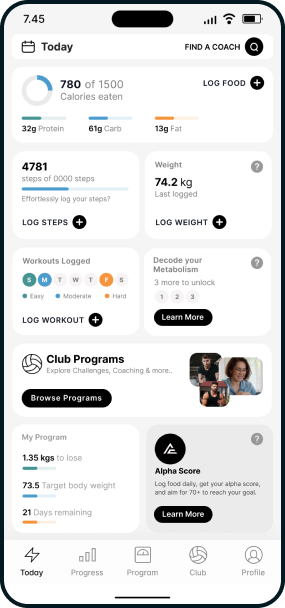
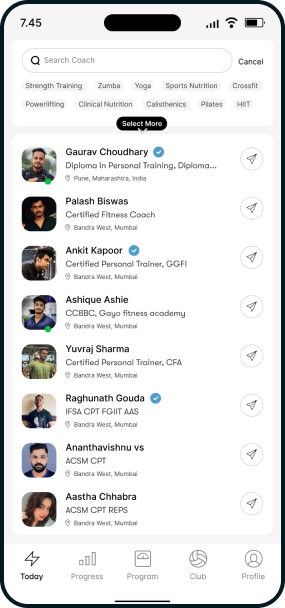
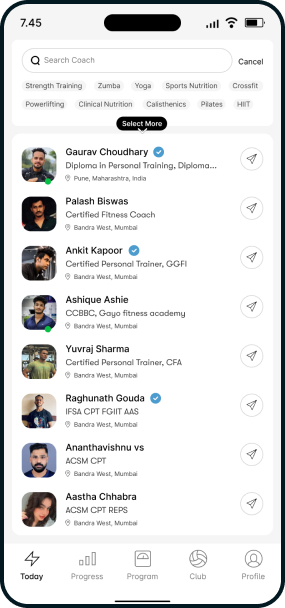
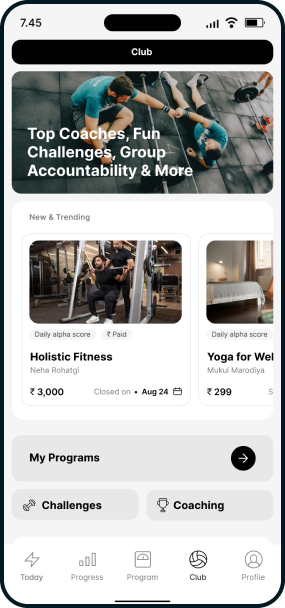
To stay consistent with your health goals, tracking your meals and activity is essential, and the Alpha Coach app makes it easy. With features like smart calorie tracking, real-time progress monitoring, and personalised insights, you can take full control of your fitness journey. Additionally, if you require extra support, the website’s ‘Find a Coach’ option connects you with expert guidance tailored to your lifestyle and goals. Whether you’re aiming to lose weight, improve your nutrition, or simply build healthier habits, Alpha Coach helps you stay on track—every step of the way.
Frequently Asked Questions
Read More:
- How Much Protein Can You Eat in One Sitting? A Comprehensive Guide
- What is Quinoa: Health Benefits and Nutritional Values
- 10 Effective Steps To Lose Belly Fat – Science, Not a Click-Bait!
- Zero Calorie Foods: Your Secret Weapon for Healthy Eating & Weight Loss
Disclaimer: The information provided in this blog is for informational purposes only. It is curated from authentic and trusted sources across the web, along with my own subject knowledge. I am not a certified nutritionist, dietitian, or medical professional. Therefore, I recommend consulting a qualified health coach or medical expert before making any significant changes to your diet or lifestyle.
 0
0








Leave a Reply