

 187 views
Most people do not suddenly quit fitness.
There is rarely one dramatic moment where someone wakes up and decides they no longer care about their health. What usually happens is quieter.
Breakfast gets rushed for a few days, lunch becomes irregular and work stretches later into the evening. A quick chai turns into chai with biscuits because they are right there. Dinner gets delayed and food ordering starts feeling easier than cooking.
And somewhere in the middle of all that, the routine begins to slip.
This is what makes nutrition difficult for so many people, especially in India, where health goals have to coexist with long commutes, demanding work schedules, social eating, family routines, and days that rarely go exactly as planned.
Most people already know the basics. They know protein matters and fried snacks every evening are not ideal. They also know workouts alone cannot undo an inconsistent diet.
The real struggle right now is not having information. It is to build eating habits that hold up on ordinary days.
That is exactly why Alpha Coach has partnered with Alpino Health Foods: to make healthier, protein-focused nutrition more practical and accessible for Indian lifestyles.
Not through extreme dieting or guilt-driven fitness culture or through unrealistic meal prep routines.
The idea is simpler than that.
Help people make better food decisions without making nutrition feel like another full-time responsibility.
Why Exercise Alone Rarely Solves the Problem
A surprising number of people work out consistently and still feel stuck.
They train, walk more and follow workout videos, join gyms, restart routines but still feel like their body is not responding the way it should.
The issue is often not effort, it is nutrition.
Modern fitness culture tends to over-celebrate workouts because workouts are visible. They are easier to post, easier to track, and easier to feel proud of. A workout gives you instant proof that you “did something.”
But nobody talks enough about the cumulative impact of skipped breakfasts, low protein intake, random office snacking, under-fuelling through the day, and then eating whatever feels easiest after an exhausting evening.
These patterns shape results far more than most people realise.
The average office worker is not struggling because they do not understand calories. They are struggling because by 8 PM, after a mentally draining day, the body is no longer making thoughtful decisions. It is negotiating with exhaustion.
And exhausted people rarely choose the option that requires the most effort.
That is why nutrition matters so much in fitness. It affects how well you recover, how full you feel, how much energy you carry through the day, and how effectively your body responds to training.
Exercise creates the stimulus and nutrition helps decide whether your body can actually use it.
Why Nutrition Is the Foundation of Fitness Success
You may have heard people say that fitness is “70% nutrition.” The exact number is not the point. Fitness is not a maths equation where food and exercise can be divided neatly into percentages.
But the idea behind the phrase is useful.
Your workout may take one hour. Your food environment influences the remaining twenty-three. That includes your breakfast, snacks, hunger levels, recovery, cravings, sleep quality, and your ability to show up again the next day.
This is where many fitness journeys slowly break down.
A person may train well in the morning, but if the rest of the day is built around irregular meals, poor protein intake, and constant hunger, the workout plan becomes harder to sustain. Recovery suffers. Energy dips. Cravings rise. The training routine may be good, but the daily system around it is weak.
Good nutrition does not mean eating perfectly. It means creating enough structure so that your body is not constantly fighting you.
That usually begins with a few basic habits: eating enough protein, building meals that keep you full, choosing smarter snacks, and making sure your diet supports your actual goal, whether that is fat loss, muscle gain, better energy, or simply becoming more consistent.
The Real Problem With Healthy Eating
Healthy eating advice often sounds reasonable until it collides with an actual schedule.
In real life, most people are answering calls during lunch, sitting in traffic, travelling between meetings, managing deadlines, eating between tasks, and trying to stay healthy while life keeps moving underneath them.
This is where a lot of nutrition advice surrounding us breaks down. Because advice that only works during highly controlled weeks is not sustainable advice.
Most people do not need more rules around eating healthy. They need eating systems that still function on chaotic days.
The fitness industry often talks about motivation as if it is endlessly renewable. Real life says otherwise. Some evenings, people are simply tired. And tired people default to what is easy.
That is why convenience matters more than the fitness industry sometimes admits, because better decisions become much easier when they require less friction.
What Sustainable Nutrition Actually Looks Like
One of the biggest misconceptions around nutrition is that healthy eating has to feel dramatic to be effective.
In reality, the people who maintain fitness long term usually eat in surprisingly ordinary ways.
They have breakfasts that keep them full longer. They do not arrive at dinner completely starved every night. They reduce random snacking gradually. They make protein easier to include. They stop depending on willpower for every food decision.
From the outside, none of this looks revolutionary. But repeated daily, it changes almost everything.
Sustainable nutrition is not about building the most impressive diet plan. It is about building an eating pattern that does not collapse the moment work gets busy, travel begins, or motivation fades.
Protein Is Still Missing From Many Indian Diets
Indian food culture does many things exceptionally well. Variety is not the problem. Flavour is certainly not the problem.
But protein intake often quietly remains low, especially for vegetarians, students, busy professionals, and people who rely heavily on convenience meals.
A person can go through an entire day eating foods that are filling temporarily but not satisfying for long. Tea and biscuits. A light breakfast. A rice-heavy lunch. A fried evening snack. A late dinner.
None of these foods are automatically “bad.” The issue is that protein often remains too low to support recovery, fullness, and muscle maintenance.
This becomes especially noticeable during fat loss. When protein intake is low, people often feel hungrier, less recovered, lower on energy, and more likely to overeat later in the day. That creates the classic cycle: trying to “eat less” during the day, then losing control at night.
The conversation around protein online can sometimes become excessive, but the underlying issue is real.
Many people are not eating enough of it consistently.
And a few high-protein days do not make up for a low-protein routine.
Fitness Nutrition Is About Balance, Not Elimination
One reason nutrition becomes exhausting is because online fitness culture constantly pushes extremes.
Cut carbs. Avoid fats. Eat only “clean” foods. Remove everything enjoyable.
Most sustainable nutrition does not work like that.
Carbohydrates are not the enemy, they are often made out to be online. In Indian diets especially, carbs are deeply tied to culture, convenience, and daily eating patterns. Roti, rice, poha, idli, dosa, dal, upma, and other familiar foods can all be part of a healthy lifestyle.
The issue is usually not carbohydrates themselves but that these meals are heavily carb-dominant without enough protein, fibre, or satiety balance.
Protein helps with recovery and fullness. Carbohydrates support energy and training performance. Healthy fats improve satisfaction and make meals feel complete.
A balanced meal does not need to look fancy. It simply needs to keep you energised, satisfied, and less likely to crash into uncontrolled snacking later.
Why Snack Habits Matter More Than People Think
Most fitness journeys do not break during workouts, they break during snack hours.
The 5 PM chai. The post-meeting hunger. The packet opened “just for a little bit.” The late-night craving after a long day. The office snack drawer. The food delivery scroll begins because dinner feels too far away.
People rarely pause and think, “I am now making a poor nutritional decision.” They simply reach for whatever feels easiest at the moment.
A useful fitness snack should ideally do three things:
- provide satiety
- offer better nutritional value than your default option
- feel easy enough to repeat
That is where better alternatives to biscuits, fried snacks, sugary cereals, and random packaged foods can make a real difference.
Why Alpha Coach Partnered With Alpino
Alpha Coach was built around a simple belief: fitness should be practical enough for Indian lifestyles.
That means fitness cannot rely only on Western diet templates, unrealistic meal plans, or generic advice that ignores how people actually eat.
People need nutrition support that understands Indian meals, Indian schedules, Indian cravings, and Indian routines.
The partnership with Alpino fits into that mission.
The goal is not to turn healthy eating into another complicated project. It is to make better choices more accessible for people who are already trying to improve their fitness but struggle during the most ordinary parts of the day.
One of the biggest barriers to healthier eating is friction. The more difficult, time-consuming, or mentally exhausting nutrition becomes, the harder it is to repeat. That is especially true for working professionals, students, parents, and anyone balancing unpredictable schedules.
Most people do not lose discipline forever. They struggle during moments when energy is low, schedules are chaotic, cravings increase, and cooking is not practical.
Having better alternatives available during those moments can improve adherence. That is the philosophy behind this partnership.
What Stood Out About Alpino Products
One of the biggest problems with many “healthy” products today is that the marketing often sounds healthier than the product itself. A lot of packaged foods still end up being high in sugar, low in satiety, heavily processed, or difficult to fit into a fitness-focused eating pattern.
What makes a product genuinely useful for fitness is usually much simpler.
It should be convenient, support better eating habits, make sense inside real routines and help people avoid worse default choices.
Alpino has become a recognisable name among Indian consumers looking for practical, fitness-friendly nutrition products.
For fitness-focused users, ingredient quality, protein content, sugar levels, and everyday usability all influence whether a product actually helps. A product does not need to be perfect to be useful, but it should make better nutrition easier, not more confusing.
That is what makes this partnership relevant for Alpha Coach users.
It connects with our app’s focus on structured, sustainable fitness with food options that are easier to integrate into daily life.
Recommended Alpino Products for Alpha Coach Community
Here are some Alpino products that can fit into everyday fitness routines without turning food into a full-time calculation.
Supernatural Peanut Protein Powder
Protein intake sounds simple until the day gets busy.
This is where Supernatural Peanut Protein Powder can help. With 24g protein per serving, a plant-based peanut protein blend, and lab-tested ingredients, it gives users an easy way to add protein when meals fall short.
It fits best into rushed mornings, post-workout recovery, or days where regular meals become too carb-heavy. For vegetarians, gym beginners, and busy professionals, that convenience can make protein intake easier to maintain.
It is not a replacement for balanced meals. It is a practical backup for the days when nutrition usually slips.
High Protein Super Rolled Oats
Breakfast often decides how the rest of the day feels.
High Protein Super Rolled Oats gives users a more filling start, with 22% protein, dietary fibre, no added sugar, and a 100% natural ingredient positioning.
It works well for people who usually begin the day with tea, biscuits, bread, or sugary cereal and then feel hungry again soon after.
Best used as a quick breakfast base with fruit, nuts, peanut butter, or milk. The benefit is not just convenience. A more satisfying breakfast can reduce random snacking later and make healthier eating easier through the day.
Alpino Peanut Butter Range
Peanut butter remains one of the simplest ways to make meals and snacks more filling without overcomplicating nutrition.
Alpino’s peanut butter range includes options like Natural Peanut Butter, Chocolate Peanut Butter, Classic+ Peanut Butter, and High Protein Peanut Butter Crunch, giving users different choices based on taste, texture, and fitness goals.
These work well with:
- oats
- toast
- smoothies
- fruit bowls
- pre-workout snacks
- evening snack combinations
For people searching for the best peanut butter for fitness, the biggest advantage is practicality. Peanut butter is quick, versatile, satisfying, and easy to fit into busy schedules.
The goal is not to treat it like a “health food hack.” It is to use it as a smarter, more filling alternative to random snacking or low-satiety meals.
How to Integrate These Products Into Your Fitness Plan
Many nutrition plans fail because they only work on perfect days.
Practical nutrition is different. It focuses on simple choices that hold up during busy schedules, travel, cravings, and irregular routines.
A better breakfast, a smarter snack, or an easier way to add protein can make consistency easier over time.
Fat Loss Meal Ideas That Actually Keep You Full
Fat loss becomes much harder when the day starts with a low-satiety breakfast.
A breakfast built around oats, fruit, peanut butter, and a protein source will usually keep you fuller for longer than chai with biscuits or a quick sugary snack. It does not feel like a major change, but it can make the rest of the day easier: fewer random cravings, less evening overeating, and better control around food.
Snack timing matters too.
Many people overeat at night not because they lack discipline, but because they spent the day underfed, stressed, or running on quick fixes. A more filling snack around 5 or 6 PM can reduce the chances of the 10 PM “eat everything” cycle.
That is why healthy snacks for weight loss should focus on fullness, not just low calories.
The goal is not to eat as little as possible. It is to stay in control without feeling deprived all day.
Muscle Gain Nutrition That Does Not Feel Exhausting
One of the biggest mistakes people make during muscle gain phases is trying to force huge meals immediately.
For most people, that becomes difficult very quickly.
Muscle gain nutrition usually works better when calorie and protein intake increase gradually across the day instead of being forced into two oversized meals.
A more sustainable structure often looks simpler:
- a protein-focused breakfast
- a calorie-dense snack between meals
- post-workout protein intake
- easier additions like oats, smoothies, or peanut butter combinations
This works especially well for:
- hard gainers
- students
- busy professionals
- people with inconsistent meal timings
Busy Professional Nutrition Hacks
Nutrition for most working professionals collapses between 4 PM and 7 PM.
Lunch feels too far away while work is still unfinished. Mental fatigue rises as hunger gets stronger, and overall energy for thoughtful decisions gets lower.
In such cases, a structured breakfast helps. Better desk snacks help. A more filling tea-time option helps. Easy travel-friendly foods help. Reducing decision fatigue helps.
Keeping better snack options nearby sounds small, but small decisions repeated every workday shape eating habits far more than occasional cheat meals do.
Sometimes the most effective nutrition strategy is simply making poor decisions less accessible during stressful hours.
The goal is not perfect eating but to stop nutrition from falling apart every time life gets busy.
Fitness Usually Improves Through Smaller Decisions
Most transformations begin with small interruptions to old patterns: a better breakfast, a filling snack, more protein through the week, fewer impulsive evening choices.
Slowly the body responds to what you repeat, not what you do occasionally.
Sustainable nutrition may look boring from the outside. No extreme cleanse or complicated meal plan. Just better decisions made often enough to matter.
The Biggest Nutrition Mistake People Make
The biggest mistake is not eating pizza on a Friday night. It is building a nutrition plan so fragile that one pizza feels like failure.
Most people try to fix their diet by becoming stricter. They remove every food they enjoy, chase a perfect week, and assume discipline will carry them through work pressure, travel, social plans, poor sleep, and stressful evenings.
It rarely does.
A good plan has to survive real interruptions. A late meeting should not ruin it. A family dinner should not reset it. One unplanned snack should not turn into “I’ll start again Monday.”
That is the difference between a diet and a system.
A diet depends on perfect behaviour while a system gives you a way back.
The people who stay fit long term are not always the most extreme. They are the ones who can return to structure quickly after life gets messy and that is what sustainable nutrition really means.
Exclusive Offer for Alpha Coach Users
As part of this collaboration, Alpha Coach users can now access:
Flat 10% OFF on Alpino products
Use Code: ALPHACOACH
Shop directly at the Alpino Official Store.
This offer is designed to help Alpha Coach users make practical, fitness-friendly nutrition choices more accessible as part of their daily routine.
About Alpha Coach Pro
Good nutrition becomes easier when you can actually see what is happening throughout the day.
That is where Alpha Coach Pro fits in.
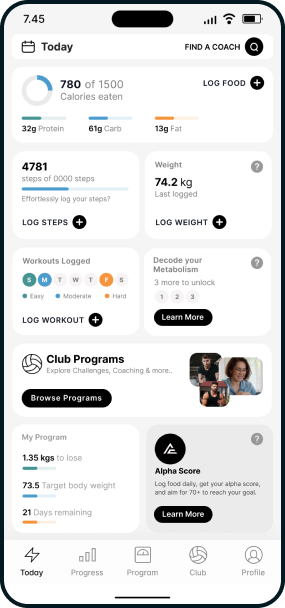
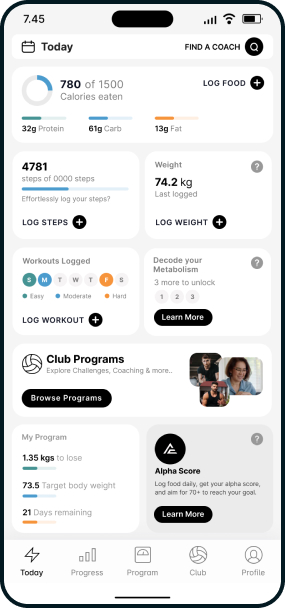
The app is built for Indian users and Indian eating patterns, with tools that make nutrition easier to understand, track, and adjust. You can log Indian meals along with global food items, track protein, monitor sugar intake, and see how your daily choices affect your overall Alpha Score.
What makes Pro useful is that it does not treat fitness as a fixed template. Your nutrition goals can adjust based on your progress, so the plan feels more responsive than a standard calorie counter.
For users trying to lose fat, build muscle, improve food quality, or simply become more consistent, Alpha Coach Pro brings food tracking, fitness guidance, and follow-through into one place.
It also includes access to a complimentary live video call with a fitness/nutrition expert, giving users expert support when they need more clarity.
Download the Alpha Coach app and start building fitness habits that fit your real life.
Frequently Asked Questions
Is peanut butter good for fitness goals?
Yes. Peanut butter works well for fitness because it is filling, convenient, and easy to add to meals like oats, smoothies, fruit, or toast. It can also work as a quick pre-workout or between-meal snack when used in sensible portions.
Is peanut butter good for weight loss?
It can be. Peanut butter helps improve fullness, which may reduce random snacking later in the day. The key is portion awareness, because even healthy foods become easy to overeat when eaten mindlessly.
Are oats good for weight loss?
Yes. Oats are filling, easy to portion, and can help reduce hunger later in the day. They work best when combined with protein, fruit, nuts, or peanut butter instead of being treated like a sugary breakfast cereal.
What are the benefits of protein oats?
Protein oats help make breakfast more balanced and filling. They support satiety, reduce mid-morning cravings, and make it easier to maintain energy through busy workdays.
What are healthy snacks for weight loss?
The best healthy snacks for weight loss are the ones that keep you full and reduce impulsive eating later. Protein-rich and fibre-rich options like oats, yogurt, fruit with peanut butter, smoothies, and roasted snacks usually work better than low-calorie snacks that leave you hungry again quickly.
How can I increase protein in an Indian diet?
Start with meals you already eat. Add protein through foods like paneer, curd, dal, eggs, tofu, sprouts, protein oats, or smoothies instead of trying to overhaul your entire diet overnight. Small additions repeated consistently usually work better than extreme diet changes.
 0
0










Leave a Reply