

 71 views
Pomfret is one of those fish that rarely needs much convincing.
It has a mild flavour, soft flesh and relatively few troublesome bones compared with many other fish. In India, it works as well with a simple lemon-and-spice marinade as it does in a coconut curry or a tandoori preparation.
Nutritionally, it’s also interesting. It provides high-quality protein, virtually no carbohydrate and varying amounts of omega-3 fats, vitamin B12, vitamin D and minerals, depending on the species. This guide covers pomfret fish benefits, nutrition, black vs silver pomfret, how to buy local fish and how to cook it well.
There is one complication: “pomfret” (or “pamphlet fish”, as many people search for it) doesn’t refer to one single fish. Silver, black and Chinese pomfret are different species, and their fat and calorie content can differ substantially. So instead of pretending every piece contains exactly 120 calories and 22 grams of protein, this guide uses realistic ranges and explains where the differences come from.
Quick Answer: Is Pamphlet Fish Healthy?
Yes, for most people. Pamphlet fish (pomfret) is a good source of protein with virtually no carbohydrate.
- Per 100 g raw: about 95-160 kcal and 17-20 g protein, depending on species
- Fats: includes omega-3 (EPA and DHA); fat content varies a lot by species and season
- Also provides: vitamin B12, vitamin D (in some data), phosphorus and potassium
- Healthiest ways to cook it: steamed, grilled, baked or air-fried
- Watch out for: deep frying, mercury (varies by species and source) and fish allergy
What Is Pomfret Fish? (And Why People Call It Pamphlet Fish)
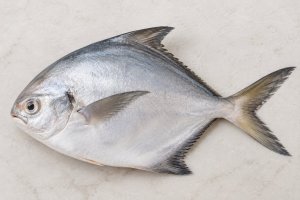
Pomfret is a market name for several flat, deep-bodied marine fish found across Asian waters. They’re especially popular along the Indian coastline, where pomfret appears in Goan, Maharashtrian, Bengali, Gujarati and Kerala cuisines.
Names you may see:
- Pomfret: the standard English name
- Paplet / Paplate: the Marathi, Konkani and Gujarati name
- Pamphlet fish: a common spelling variant of paplet that many people use when searching online
- Prompt fish: a typo you’ll sometimes see for pomfret
- Avoli (Malayalam), Vavval (Tamil), Chanduva (Telugu), Rupchanda (Bengali): regional names, which can refer to different pomfret species, so confirm with your fishmonger
India’s Marine Products Export Development Authority lists silver, Chinese and black pomfret among commercially important species found along Indian coasts. Pomfret is landed on both the east and west coasts, with Maharashtra and Gujarat among important regions for commercial catches.
Scientific classification
Not every fish sold as pomfret belongs to the same biological family.
- Silver pomfret (Pampus argenteus) belongs to the family Stromateidae.
- Chinese pomfret (Pampus chinensis) belongs to the same genus.
- Black pomfret (Parastromateus niger) is different. It belongs to the Carangidae family, which also includes jacks and pompanos.
These are mostly marine species found in coastal waters of the Indo-West Pacific.
Pomfret Fish Benefits: 9 Health Benefits of Pamphlet Fish
- Excellent source of lean protein
Pomfret provides substantial protein without carbohydrate and, in some varieties, relatively little fat. That makes it an easy way to build a meal around protein.
- Pomfret fish benefits for heart health
Eating seafood as part of a balanced diet is associated with cardiovascular benefits, particularly when fish replaces foods higher in saturated fat. Pomfret also provides EPA and DHA, although the amount depends on species. Current dietary guidance continues to encourage seafood as part of a nutrient-dense diet.
- Provides DHA for brain function
DHA is an important structural fatty acid in the brain. Pomfret contains DHA, but it would be an exaggeration to say pomfret specifically “boosts brain power”. Think of it as one useful seafood source among many.
- Helps build and repair muscles
Protein supplies the amino acids used for muscle maintenance and repair. Pomfret works well after exercise, especially paired with a carbohydrate like rice, potatoes or roti. See our carbs food list for good pairings.
- Supports bone health
Pomfret contributes phosphorus and smaller amounts of calcium, and some data show vitamin D too. These nutrients all take part in maintaining normal bones.
- A source of vitamin B12
B12 is needed for normal red blood cell formation and nervous system function. Raw silver pomfret in the Japanese database provides about 1.4 mcg per 100 g. Fish can make a useful contribution to B12 intake, particularly for people who eat little other animal food.
- Contributes to normal immune function
Adequate protein, B12 and minerals all matter for immunity. Pomfret contributes to those needs, but no single food can “boost” immunity on its own.
- May support eye health
DHA is involved in normal visual function, and some silver pomfret data also report vitamin A. Pomfret is one of many foods that can contribute to an eye-supportive diet.
- Fits a weight-management diet
High-protein foods are generally more satiating than foods dominated by refined carbohydrate or sugar. Pamphlet fish benefits for weight control are strongest when it’s grilled, steamed, baked or air-fried.
Pomfret is food, not medicine. These benefits come from eating it as part of an overall balanced diet.
Types of Pomfret Fish
| Silver / white pomfret | Black pomfret | Chinese pomfret | |
| Scientific name | Pampus argenteus | Parastromateus niger | Pampus chinensis |
| Appearance | Flat, rounded, bright silver | Darker body | Silvery, broad and flat |
| Flesh | Soft, delicate, mild | Firmer, slightly stronger flavour | Tender |
| Reported nutrition per 100 g | 18 g protein, 2.9 g fat (ICAR-CIFT); a fattier Japanese sample: 17.1 g protein, 10.9 g fat | 95 kcal, 20.3 g protein, 1.4 g fat (Malaysian data) | 96 kcal, 17.7 g protein, 2.8 g fat (Malaysian data) |
| Best for | Steaming, grilling, light seasoning | Curries, frying, grilling | Steaming, light seasoning |
Silver pomfret is the fish many Indian diners associate with premium paplet dishes. Published data shows its fat content can vary considerably.
Black Pomfret Fish: How It Differs
Black pomfret fish is darker, usually has firmer flesh and a slightly stronger flavour than silver pomfret. It’s often used for curries, frying and grilling, where firmer flesh holds up better.
- Nutrition: Malaysian food composition data lists black pomfret at roughly 95 kcal, 20.3 g protein and 1.4 g fat per 100 g, making it quite lean in that dataset. Check local data if you can, because values vary.
- Classification: it belongs to the Carangidae family (jacks and pompanos), not the same family as silver pomfret.
- Price and availability: often more economical than silver pomfret in many markets, though this varies by region and season.
- Names: in Marathi and Konkani it’s often called halwa, and in Kerala karutha avoli. Verify with your local fishmonger.
Which is best? That’s mostly a question of taste and budget. Silver pomfret is prized for delicate texture, while black pomfret works well in strongly flavoured dishes and is usually the better choice for a robust curry.
Pomfret Fish Nutrition Facts Per 100g
Because “pomfret” covers multiple species, a range is more useful than a single supposedly exact number.
| Nutrient | Approx. amount per 100 g raw fish |
| Calories | 95-160 kcal |
| Protein | 17-20 g |
| Total fat | 1.5-11 g |
| Omega-3 fatty acids | Varies by species; silver pomfret contains EPA and DHA |
| Carbohydrates | 0 g |
| Calcium | 20-40 mg |
| Iron | 0.2-0.5 mg |
| Phosphorus | 190-240 mg |
| Potassium | 225-370 mg |
| Vitamin B12 | 1.4 mcg (one silver pomfret database) |
| Vitamin D | 5 mcg (one silver pomfret database) |
Japanese food composition data for raw silver pomfret reports 161 kcal, 17.1 g protein, 10.9 g fat, 370 mg potassium, 190 mg phosphorus, 1.4 mcg vitamin B12 and 5 mcg vitamin D per 100 g. It also reports about 1.23 g of total omega-3 polyunsaturated fat, including EPA and DHA. Black and Chinese pomfret numbers can look very different, which is why species and preparation matter.
Calories, protein and key nutrients
Calories. Raw pomfret ranges from roughly 95 to 160 calories per 100 g, depending mainly on fat. Lean black or Chinese pomfret sits near the lower end, while fattier silver pomfret can be considerably higher. The bigger swing usually comes from cooking. Steamed pomfret stays light, while deep-fried pomfret can absorb a lot of additional fat.
Protein. Most pomfret provides about 17-20 g of protein per 100 g. A 150 g edible portion gives roughly 25-30 g, a meaningful contribution to a meal. Fish protein supplies the essential amino acids your body needs for maintaining and repairing tissue.
Healthy fats. Pomfret contains a mix of saturated, monounsaturated and polyunsaturated fats, and the total varies enormously by species and season. Describing pomfret simply as a “low-fat fish” can be misleading. Some varieties are lean, while certain silver pomfret samples contain considerably more fat.
Omega-3. Pomfret contains the long-chain omega-3 fats EPA and DHA. One Japanese analysis of silver pomfret found around 240 mg EPA and 650 mg DHA per 100 g. That’s useful, although salmon and oily fish such as mackerel can often provide more.
Vitamin B12, phosphorus and potassium. Phosphorus works alongside calcium for bones and teeth and plays a role in energy metabolism. Potassium supports fluid balance, muscle contraction and nerve function. Fish also commonly contributes selenium, but pomfret data isn’t consistently reported, so I haven’t attached a number to it.
Is Pomfret Good for Weight Loss?
Yes, if you cook it sensibly. Protein makes meals more filling, and pomfret contains virtually no carbohydrate. A 100-150 g cooked portion is reasonable for many adults, depending on total calorie and protein needs.
Better choices for a weight-loss meal:
- Grilled pomfret
- Steamed pomfret
- Baked pomfret
- Air-fried pomfret
- Light fish curry
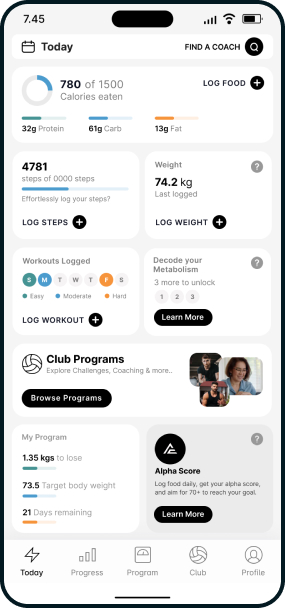
The easiest way to turn pomfret into a high-calorie dish is to coat it in flour or batter and deep-fry it. The fish hasn’t become unhealthy, but the meal is no longer nutritionally equivalent. Log your portions in Alpha Coach Pro or the Alpha Coach Indian Food Calorie Calculator to see the real numbers.
Is Pomfret Fish Healthy?
For most people, yes. It’s nutrient-dense, protein-rich and naturally very low in carbohydrate. The qualification is preparation. A steamed pomfret with vegetables and rice is quite different from a heavily salted, deep-fried fish served with fried potatoes. As with most foods, the health value comes from the whole meal and overall diet, not the reputation of one ingredient.
Pomfret vs Other Popular Fish
Approximate raw values. Nutrition varies by species and database.
| Feature | Pomfret | Salmon | Rohu | Mackerel |
| Calories | 95-160 kcal | 208 kcal | 100 kcal | 150 kcal |
| Protein | 17-20 g | 20 g | 19-20 g | 21 g |
| Fat | 1.5-11 g | 13 g | 2-3 g | 7-8 g |
| Omega-3 | Moderate to good, species-dependent | Very high | Lower to moderate | High |
| Taste | Mild, delicate | Rich, buttery | Mild, slightly earthy | Stronger, oily |
| Price in India | Usually premium | Usually expensive | Usually economical | Economical to moderate |
| Best for | Mild seafood dishes | Maximising omega-3 | Budget protein | Omega-3 at lower cost |
Representative salmon data gives about 208 kcal, 20.4 g protein and 13.4 g fat per 100 g, while Indian data puts rohu around 19-20 g protein and relatively little fat. ICAR-CIFT reports Indian mackerel at about 21.2 g protein and 7.5 g fat in one dataset.
The takeaway: choose pomfret for mild flavour, salmon for very high omega-3, rohu for economical everyday protein, and mackerel for an oily fish without salmon pricing.
Best Ways to Cook Pomfret Fish
Cooking time depends on size and thickness. These are practical guides, not absolute rules. For food safety, fin fish should reach an internal temperature of 63°C (145°F), or be opaque and separate easily with a fork.
| Method | Time | Tips |
| Grilled | 5-7 min per side (medium whole fish) | Lemon, garlic, chilli, ginger, little oil |
| Baked | 15-20 min at 200°C | Herbs, lemon, vegetables; loose parchment or foil retains moisture |
| Steamed | 10-15 min | Lightest method; ginger, spring onion, chilli, a little soy sauce |
| Air fryer | 12-16 min at 190°C, turning once | Light oil coating is enough |
| Pan-seared | 4-6 min per side | Little oil; don’t keep turning, as pomfret breaks easily |
| Curry | 10-15 min gentle cooking | Add the fish near the end so it doesn’t fall apart |
| Tandoori | 15-20 min | Yogurt, chilli, turmeric, ginger, garlic; hot oven or grill |
| Shallow fried | 4-6 min per side | More fat than grilling, far less than deep frying |
Healthy Pomfret Recipes
Grilled lemon garlic pomfret. Marinate with lemon juice, garlic, pepper, salt and a teaspoon of oil. Grill until the flesh is opaque and cooked through. Serve with vegetables and rice or potatoes.
Kerala-style pomfret curry. Cook pomfret gently in a coconut-based gravy with curry leaves, chilli, turmeric and tamarind. Coconut adds richness, so portion size matters if calories are a concern.
Tandoori pomfret. Coat in yogurt, ginger-garlic paste, chilli, turmeric and garam masala. Grill or bake until lightly charred.
Air-fried pomfret. Rub with chilli, turmeric, coriander, lemon and a little oil. Air fry until crisp outside and cooked through.
Steamed Asian pomfret. Steam whole pomfret with ginger, garlic and spring onions. Finish with lime, chilli and a little sesame oil or soy sauce. This is especially good with fresh silver or Chinese pomfret.
Local Pamphlet Fish: How to Buy Fresh Pomfret
“Local pamphlet fish” usually means pomfret caught in nearby coastal waters and sold at your local market, as opposed to imported or long-stored frozen fish. The word “local” isn’t a guarantee of quality or of species, and sellers use it loosely. Ask these questions:
- Which species is it? Silver, black and Chinese pomfret differ in taste, texture and price.
- Wild-caught or farmed? Fat content and flavour can differ.
- When was it caught? Fresher is better, whether local or not.
- Has it been kept on ice? Proper chilling matters more than where it came from.
Fresh pomfret should look like fresh fish, not merely smell less bad than the other fish at the market. Look for:
- Clear, bright eyes: not cloudy or sunken
- Shiny skin: silver pomfret should look bright, not dull and dried out
- Fresh sea-like smell: sour, ammonia-like or unpleasant odours are warning signs
- Firm flesh: it should spring back when gently pressed
- Red or pink gills: brownish, slimy gills can indicate deterioration
- Proper chilling: fish should be kept well iced or refrigerated
Buying good fish matters as much as choosing a healthy cooking method.
How to Store Pomfret Fish
Fresh raw fish should be kept at 4.4°C or below and used within about 1-2 days, or frozen.
- Freeze raw fish promptly if you won’t cook it within two days.
- For best quality, frozen raw fish is generally used within roughly 3-8 months.
- Cooked fish can usually be refrigerated for 3-4 days.
- Don’t leave seafood at room temperature for more than about two hours.
The safest way to thaw frozen pomfret is slowly in the refrigerator. Cold-water and microwave thawing are also accepted methods when done correctly. Leaving frozen fish on the counter for hours is not.
How Much Pomfret Can You Eat?
A typical adult serving of cooked fish is roughly 85-115 g, although 120-150 g servings are common. Current dietary guidance recommends around 225 g (8 ounces) of cooked seafood per week for adults as a general benchmark.
You don’t need all of that to be pomfret. Variety helps. Rotate it with sardines, mackerel, salmon, rohu and other seafood, depending on availability, price and mercury considerations.
Does Pomfret Contain Mercury?
Yes, like nearly all marine fish, pomfret can contain some methylmercury. The difficult part is assigning one value to “pomfret”.
Mercury levels depend on species, size, age, location and environmental contamination. Larger, longer-lived predatory fish generally accumulate more mercury. The FDA’s consumer fish chart doesn’t list one category called “pomfret” covering silver, black and Chinese pomfret, so claims like “pomfret is definitely low mercury” are too simplistic.
One older study of marine fish from Mumbai docks found mercury levels that varied by collection site, and reported elevated levels in some samples labelled pomfret. That doesn’t mean all pomfret is high in mercury, but it shows why species and source matter.
For most healthy adults, a varied selection of seafood is more sensible than repeatedly eating large quantities of one species. Pregnant or breastfeeding women and young children should prioritise fish identified as lower-mercury choices by public-health guidance. The FDA and EPA recommend 2-3 servings per week from their “Best Choices” category during pregnancy and breastfeeding. Cooking does not remove mercury.
Who Should Avoid Pomfret Fish?
Seek individual advice or avoid pomfret if you:
- Have a fish allergy
- Experience reactions or intolerance to seafood
- Have been advised by your doctor to restrict particular seafood
- Are pregnant or feeding young children and aren’t sure of the species or its mercury status
If you don’t eat fish, our protein-rich vegetarian foods guide covers plant-based and dairy options.
Possible Side Effects of Eating Pomfret
- Allergic reactions: fish allergy can cause anything from itching or swelling to severe anaphylaxis.
- Food poisoning: fresh fish deteriorates quickly if not kept properly chilled. Buy from a reliable seller and refrigerate promptly.
- Excess oil from frying: repeated deep frying can dramatically increase calorie and fat intake.
- Undercooked seafood: it can carry food-safety risks. FDA guidance recommends cooking fin fish to 63°C (145°F).
Pamphlet Fish FAQs
What is pamphlet fish?
“Pamphlet fish” is a common spelling of paplet, the Marathi, Konkani and Gujarati name for pomfret, a flat marine fish popular across India. The same fish may also be mistyped online as “prompt fish”.
What are pomfret fish benefits?
Pomfret provides about 17-20 g protein per 100 g with virtually no carbohydrate, plus omega-3 fats (EPA and DHA), vitamin B12, phosphorus and potassium. Amounts vary by species.
What are pamphlet fish benefits for weight loss?
It’s protein-rich and, in many varieties, relatively low in calories, so it fits a calorie-controlled diet when grilled, steamed, baked or air-fried rather than deep-fried.
Is black pomfret fish good for you?
Yes. Black pomfret is a good source of protein, and some data show it as quite lean (about 1.4 g fat per 100 g in one Malaysian dataset). Its firmer flesh works well in curries and on the grill.
Which pomfret is better: black or silver?
There’s no universal winner. Silver pomfret is prized for soft, delicate flesh. Black pomfret is firmer and suits stronger curries and grilling. Both provide good protein, while fat content varies.
What does “local pamphlet fish” mean?
Usually pomfret caught in nearby waters and sold at local markets. It isn’t a guarantee of species or freshness, so ask the seller which pomfret it is and when it was caught.
How much protein is in pomfret?
Most varieties provide about 17-20 g protein per 100 g raw fish. Exact values vary by species and source.
Is pomfret rich in omega-3?
It contains omega-3 fats, including EPA and DHA. One Japanese analysis of silver pomfret reported about 1.23 g total omega-3 polyunsaturated fat per 100 g, including around 240 mg EPA and 650 mg DHA. Amounts vary by species and season.
Can diabetics eat pomfret?
Generally yes. Plain pomfret has essentially no carbohydrate and provides protein. What matters more is what comes with it, such as a large serving of rice, a fried coating or a sugary sauce.
Can pregnant women eat pomfret?
Fish can provide valuable protein, omega-3 fats and micronutrients in pregnancy. But pomfret mercury data depends on species and source, so pregnant women should prioritise fish clearly identified as lower-mercury and vary their seafood. Ask your doctor for personal advice.
Is pomfret high in mercury?
There’s no defensible single answer for every fish sold as pomfret. Mercury concentration varies by species and source.
What is the healthiest way to cook pomfret?
Steaming, grilling, baking and air frying with limited oil are all good options. Steaming probably adds the fewest extra calories.
How often can I eat pomfret?
It can be part of your weekly seafood intake. Rotate it with other fish rather than eating only pomfret. General guidance suggests around 225 g of seafood per week for adults, with lower-mercury guidance during pregnancy and childhood.
Conclusion
Pomfret deserves its popularity. It’s mild enough for someone who doesn’t enjoy strongly “fishy” seafood, versatile enough for everything from a Goan curry to a simple grill, and nutritious enough to fit a balanced diet.
It provides roughly 17-20 g of high-quality protein per 100 g, along with varying amounts of omega-3 fats, vitamin B12, vitamin D, phosphorus and potassium.
The main thing to remember is that not all pomfret is identical. Silver, black and Chinese pomfret are different species. Their calorie and fat content vary significantly, and mercury exposure depends on species and source.
So keep it simple. Buy fresh fish from a reliable seller. Cook it with sensible amounts of oil. Aim for a proper serving of protein rather than a plate of batter and frying oil. And rotate pamphlet fish with other fish instead of relying on one seafood every week.
 0












Leave a Reply