

 223 views
Most people don’t fail diets once; they fail them in loops. A few good days. A “clean” week. Sometimes even a month of discipline. Then life gets in the way (work gets chaotic, a trip comes up, stress piles on, or motivation fades) and things start slipping.
One meal becomes a weekend. One weekend becomes “I’ll restart Monday.”
And before long, it feels like you’re back at the beginning again. A lot of people know this cycle well. What’s exhausting isn’t trying. It’s repeatedly starting over.
And after enough restarts, many people begin to think the problem is with them. Usually, it isn’t. More often, the problem is the kind of system they keep trying to force.That’s where personalized nutrition changes things. Instead of asking you to fit your life into a diet, it asks what kind of diet can realistically fit your life.
Why Most Diets Work… Until They Don’t
A lot of diets fail strangely. They often look successful at first. Weight drops. You feel lighter. People notice. That early momentum can feel convincing. But early progress doesn’t always mean the system is solid. Sometimes it just means the plan is aggressive enough to create fast change.
And aggression can be deceptive. It often looks like: Cutting carbs entirely. Eating 1200 calories. Removing sugar forever. Living on boiled meals and protein shakes. These things can create results, but they often create tension too.
And tension builds. At first, discipline can carry it. Later, life tests it. A dinner out feels harder. Travel feels disruptive. Cravings feel louder.
That’s when the cracks show because it was built on conditions that were difficult to maintain.
How to Tell If Your Diet Was Never Built for You
Not every difficult diet is a bad one. But some forms of struggle are useful signals If you’re constantly hungry, that matters. If you’re thinking about food all day, that matters too.If workouts feel weak, energy feels low, sleep feels worse, and you’re becoming more irritable than usual, those aren’t things to ignore. Neither is avoiding social situations because eating feels too complicated. That’s often where diets quietly become isolating. A good plan should challenge you. It shouldn’t constantly drain you. And if you keep “falling off” in the same places, it’s worth asking whether the plan fits you at all. Because friction is not always a failure. Sometimes it’s feedback. And a lot of that mismatch starts with one reality people forget:
Your body is not built like someone else’s.
Why Your Body Doesn’t Behave Like Everyone Else’s
This is where comparison usually breaks. Two people can eat similarly, train similarly, and still get very different results. That doesn’t mean one is doing it wrong. It usually means their bodies are working differently. Some people naturally move more during the day without noticing. Walking more, fidgeting more, staying on their feet longer. That changes calorie burn. Some people handle hunger better. Others feel a deficit much faster. Sleep changes appetite. Stress changes appetite too. Digestion varies. Recovery varies. Even how much someone trains (and how hard) changes nutritional needs. This is why copying someone else’s plan often feels confusing.
What worked for your friend may feel terrible for you. And that doesn’t make your body “difficult.” It makes it yours. Same food. Same calories. Different bodies. Different outcomes. And that’s where personalized nutrition plans become useful.
What Personalized Nutrition Actually Looks Like
A lot of people think personalization means complexity. It usually means precision. A personalized nutrition plan is built around the things that actually affect whether you can stick to it: Your goal. Your schedule. Your food preferences. Your training. Your hunger patterns. Your daily routine. Someone trying to lose fat while working 10-hour office days needs a very different setup than someone training twice a day for performance. A vegetarian trying to build muscle will need different protein strategies than someone who eats everything.
A night-shift worker will likely need a different meal rhythm than someone training every morning. That’s the point. The right plan doesn’t just ask what you want to achieve. It asks what your life can realistically support.
And that changes everything.
Why Personalized Plans Feel Easier to Follow
The biggest advantage of a personalized diet plan is not that it’s smarter.
It’s that it feels lighter. Not physically, but mentally. There’s less resistance. Less internal bargaining. Less “I can’t wait for this to end.” Because when your meals include foods you actually enjoy, timing that fits your day, and flexibility for your social life, the whole thing feels easier to stay inside.That matters. Because consistency is rarely built on perfection.It’s built on lower friction. The easier a plan fits into your day, the less discipline it demands.And that’s often why people stick to it longer.
The difference becomes obvious when you compare it to generic dieting.
The Difference Between Following a Plan and Following the Right Plan
This is where things become clearer.
| Generic Diet Plan | Personalized Diet Plan |
| Same meals for everyone | Built around your routine |
| Fixed meal timings | Flexible based on schedule |
| Often restrictive | More realistic |
| Harder socially | Easier to manage outside home |
| Rarely adjusted | Evolves with progress |
At first glance, both may look like “a plan.”
But the experience of following them can feel completely different. One asks you to keep adjusting your life around it.
The other adjusts to your life.That’s a big difference.
And even the right plan doesn’t stay static forever. Because bodies change.
And so does life.
Why a Diet That Once Worked Can Suddenly Stop
This frustrates a lot of people. Something worked before. So why isn’t it working now?
Sometimes the answer is simple: your body has changed.
Losing weight changes your energy needs. The same calories that created progress earlier may now only maintain it.
But it’s not always physical.
Stress might be higher. Sleep might be worse. Activity might have dropped. Work might have become heavier.
The structure that once fit your life may no longer fit it the same way. That doesn’t mean the plan failed. It may just mean it’s outdated.
A plan that worked three months ago may not fit the body (or life) you have today.
And this is often the point where outside perspective becomes useful.
What a Good Coach Actually Changes
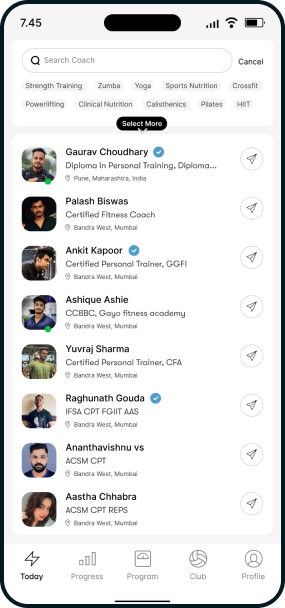
A good personal trainer and nutritionist do more than hand you rules.They help you understand what’s happening.
If progress slows, they can help identify why. If hunger rises, they adjust.
If your schedule changes, they rebuild the structure. If you’re making progress but feeling terrible, they catch that too.
That’s the difference.
Good coaching reduces guesswork. And often, it reduces emotional noise.
Because when you’re doing everything alone, it’s easy to overreact to one bad day or one slow week.
A coach gives context. And sometimes, that context is what keeps people from quitting.
Good coaching isn’t about controlling your choices.It’s about helping you make better ones.
How Personalized Nutrition Fits Into Real Life
For someone working long office hours, it may mean fewer meals, simpler prep, and high-protein snacks that travel well.
For a vegetarian trying to gain muscle, it may mean building meals more intentionally around paneer, curd, soy, and lentils.
For a beginner focused on fat loss, it may simply mean cleaning up unnecessary snacking and improving meal balance.
For someone working night shifts, meal timing may become one of the biggest priorities.
None of these plans look identical.
And they shouldn’t. That’s the point.
Good nutrition doesn’t look the same across different lives.
It’s shaped by context and not by trends.
Still, a lot of people hesitate to personalize because of what they assume it requires.
The Biggest Myths That Keep People Stuck
One of the biggest myths is that personalized nutrition is expensive. It really doesn’t have to be.
Often, it starts by improving what you already eat and not replacing it.
Another myth is that it’s strict. Ironically, it’s often less strict than generic dieting because it leaves room for foods you actually enjoy.
Some people think it requires supplements.It doesn’t. Supplements can help in certain cases, but they’re rarely the foundation.
And a common one: it’s only for athletes. It’s not.
Anyone trying to eat better, improve consistency, or stop repeating the same cycle can benefit from a better-fitting plan.
Most resistance to personalization starts long before someone tries it. Usually because they imagine it’s harder than it really is.
How to Start Building a Diet That Actually Fits You
Start with clarity. What are you trying to do?
Lose fat? Build muscle? Maintain? That changes everything.
Then look honestly at how you’re eating right now.Not the ideal version but the real version.
Track your meals for a few days. Notice where hunger spikes, where cravings show up, where structure usually breaks.
That’s valuable information. From there, make smaller adjustments.
Better protein. Better timing. Better meal balance. Less friction.
And if things feel confusing, support can speed the process.
The smartest first step is usually not changing everything. It’s understanding what’s already happening.
The Best Diet Is Usually the One You Can Live With
The best diet is rarely the strictest. It’s usually the one you stop needing to escape from.
That’s the shift most people need, away from chasing trends and copying someone else’s structure. And toward building something that works in the life they actually have.
That’s what makes personalized nutrition powerful.
It respects your body, your routine, your preferences, and your limits. And that’s often what creates long-term progress.
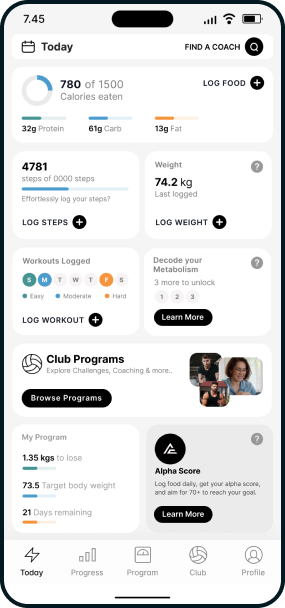
If you’re trying to build that kind of structure, tools like Alpha Coach can help make it easier by helping you track meals, adjust your nutrition, and understand your habits with more clarity.
Frequently Asked Questions
What is personalized nutrition?
Personalized nutrition is an approach to eating that takes your body, goals, lifestyle, food preferences, and daily routine into account. Instead of following a generic plan, it helps build a way of eating that fits how you actually live, which is often what makes it easier to follow and sustain.
Can personalized nutrition help with weight loss?
Yes. In many cases, it can make weight loss more effective because the plan is built around your real habits, hunger patterns, and lifestyle. That usually means better consistency, fewer extreme restrictions, and a much higher chance of sticking with it long enough to see meaningful results.
Do I need both a personal trainer and a nutritionist?
Not necessarily. Many coaches today are certified nutritionists or have a strong practical understanding of nutrition alongside training. What matters more is whether the person guiding you can align your food, training, and recovery with your goals. In some cases, one good coach can cover both well. In others, having separate specialists may make more sense depending on your needs.
Is personalized nutrition expensive?
Not necessarily. Personalized nutrition does not mean buying expensive foods, supplements, or following complicated meal plans. In many cases, it simply means improving the way you already eat by adjusting portions, meal timing, protein intake, or food choices based on your goals. The value often comes from better fit, not higher cost.
Can personalized diet plans include foods I enjoy?
They should. In fact, that’s often what makes them more effective. A plan that completely removes foods you enjoy usually becomes harder to sustain. Personalized diets work best when they make room for your preferences while still keeping your larger goals in mind. That balance is what makes long-term consistency much easier.
 0
0












Leave a Reply