

 165 views
Most people assume fitness has an expiry date. Somewhere between school cricket tournaments and your kid’s PTA meetings, we quietly accept that our best physical years are behind us.
But here’s the interesting part: your body didn’t get that memo.
I was interacting with a senior mentor of mine recently, who is a 48-year-old dad and genuinely believed his “glory days” were over; until he picked up a pair of dumbbells, learned proper form, and suddenly discovered a long-lost superpower called “hamstrings.” It took him exactly seven weeks to realise something surprising:
Over 40 is not the end. It’s the beginning of your Second Prime.
And science agrees.
Let’s break this down in a way that actually makes sense for you – people with real jobs, real stress, and a metabolism that sometimes behaves like it’s on permanent leave.
What Actually Happens to Your Body After 40 (Without Scaring You)

The human body changes with time. But none of this means decline is guaranteed. Think of it more like a software update; some things slow down, some things get smarter, and some things just need a manual restart.
Here’s the simple version:
- Muscle loss (sarcopenia):
Your body starts losing muscle around 40. Not dramatically, just a little every year. The real issue is that many people stop lifting things as they get older, so the body quietly deletes “unused features.”
The fix: pick up weights again, and it rebuilds. - Bone density:
Bones naturally get weaker if they don’t get stress (the good kind). Walking helps, but strength training helps far more. That’s why even light resistance work can make a big difference. - Hormones:
Testosterone, estrogen and growth hormone shift with age. These shifts affect energy, strength and where your body stores fat. Strength training, sleep, and better nutrition help stabilise things. - Recovery:
The 20-year-old recovery system (pizza → gym → no problem) is gone. Recovery takes longer now, but it massively improves when you sleep well, eat enough protein, and avoid ego lifting. - Metabolism:
Metabolism doesn’t “die.” It slows mainly because we lose muscle and sit more. A body with less muscle burns fewer calories, even at rest. Add strength training back in, and metabolism quietly picks up again.
Most people blame age. In reality, it’s inactivity. If you’ve ignored movement for years, your body simply adapted… by becoming good at not moving. The good news is that the body is unbelievably adaptable in the other direction, too. Give it strength, hard work, good sleep, and better food, and it responds faster than you’d expect, even in your 40s, 50s or beyond.
Why Strength Training Is Your Best Friend After 40
Most of us spent our 20s in the Cardio Era.
Run more. Sweat more. Punish your legs. Hope jeans magically fit better by the weekend.
But once you cross 40, the body starts sending a different message: “Please lift something.”
Strength training becomes non-negotiable now, not for getting “bulky,” but for something far more important:
- Rebuilding muscle you naturally lose with age
- Supporting your joints so everyday movement feels easier
- Improving posture (goodbye neck pain)
- Boosting metabolism by adding lean muscle
- Balancing key hormones
- Reducing chronic aches (back, knees, shoulders)
- Building real-world confidence and capability
And you don’t need a complicated routine or fancy equipment.
A handful of fundamental movements (squats, rows, push-ups, deadlifts, overhead presses) are enough to create big, meaningful changes in strength and energy. Think of it this way:
Cardio keeps you alive.
Strength training makes life easier.
Cardio, Mobility and Flexibility
Cardio still matters, it just isn’t the hero of the story anymore.
Low-impact cardio keeps your heart healthy.
Mobility work keeps your joints smooth and pain-free.
Flexibility makes sure you don’t pull a muscle while picking up your laptop bag (it happens more often than you think).
And balance training becomes surprisingly important after 40. Most people only care about balance after they trip once… then suddenly it becomes a priority.
Together, these forms of movement support the strength work your body now needs.
A simple weekly formula works beautifully:
- Strength: 2–3 days
- Mobility: 1–2 days
- Cardio: 2–3 days (yes, walking absolutely counts)
This balanced approach keeps your body moving the way it’s meant to — strong, stable, flexible and capable of handling real life.
Recovery, Sleep and Stress
In your 20s, you could survive on caffeine, stubbornness and vibes. Sleep for four hours, hit the gym, eat a random meal, bounce back the next day — no problem.
After 40, the body negotiates very differently. This is the decade where recovery stops being “nice to have” and becomes the foundation of everything else: strength, weight loss, energy, and even mood.
People don’t realise the following:
1. Your hunger, motivation, stress, and muscle recovery all depend on deep sleep. Poor sleep kicks off a chain reaction: more cravings, lower energy, missed workouts, and stalled progress.
2. Stress isn’t just ‘feeling busy’, it changes your biology. High cortisol affects where you store fat, how you recover, and how energetic you feel.
3. Rest days aren’t laziness, they’re repair days. Muscle builds between workouts, not during them. Skipping rest at 40+ is like trying to charge your phone while using it on full brightness, it never really powers up.
4. And here’s the insight that surprises most people over 40: Feeling tired is rarely about age. It’s almost always the combo of low muscle, along with poor sleep and chronic stress. Fix those three (even slightly) and people often say things like: “I feel like someone switched my battery back on.”
Some notice the difference in two weeks, not two months.
Nutrition for the 40+ Body
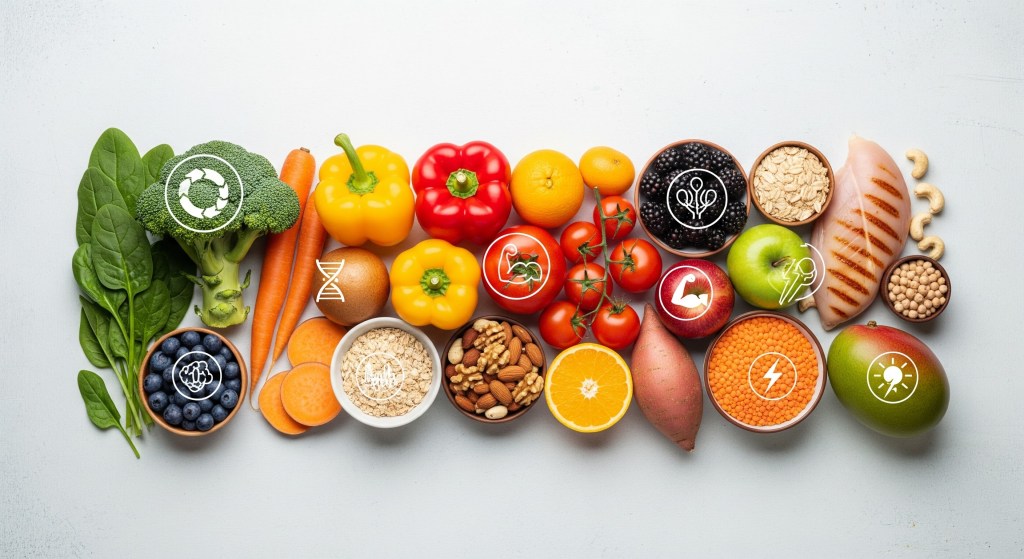
Eating well after 40 doesn’t require a scientific calculator or a food-science degree. Your body just needs a little more intentionality than it did in your 20s, when you could eat anything and somehow still function.
Here’s what actually matters:
- Protein (1.2–1.6 g/kg):
This is the biggest game-changer. Higher protein helps rebuild muscle, keeps you full longer, and stabilises cravings. Most 40+ adults eat far less protein than they think. - Hydration:
Water first. Everything else second. Dehydration sneaks up faster with age and shows up as tiredness, hunger, or headaches. - Smart, realistic food swaps:
Replace fried snacks with nuts, fruit, yoghurt, paneer, eggs, or anything with protein. - Vegetables:
More colours on your plate are equal to better digestion, a fuller stomach, and a happier gut. - Healthy fats:
Your hormones need them: seeds, nuts, eggs, fish, ghee in moderation, and good oils. - Regular meal timings:
Your metabolism prefers predictability now. When you skip meals, you end up overeating later, draining your energy, and triggering even more cravings. - Gut health becomes more important:
Think curd, fibre, water, and less junk. A healthy gut supports better digestion, immunity, and even mood.
And here’s a surprisingly common issue for the 40+ group:
Most people think they’re eating right… But once they track their meals for even a week, they realise protein is low, carbs are unbalanced, and portion sizes creep up easily.
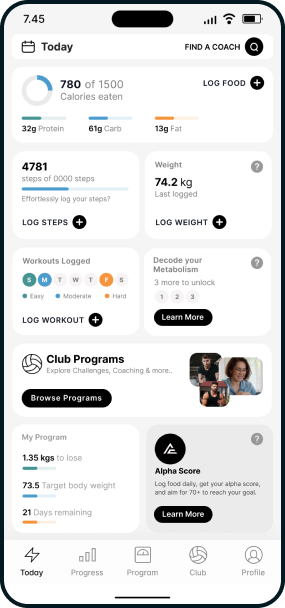
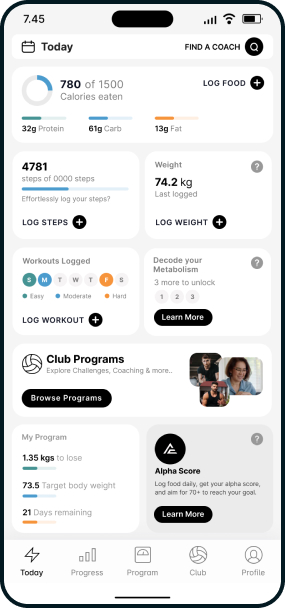
This is where tools help. Even the Alpha Coach App has a simple “log what you ate” flow that shows macros, calories, and protein without any complicated effort, and it’s often an eye-opener for people who haven’t tracked food since their 20s.
Seeing your actual intake makes it much easier to make small, meaningful corrections that fit your lifestyle.
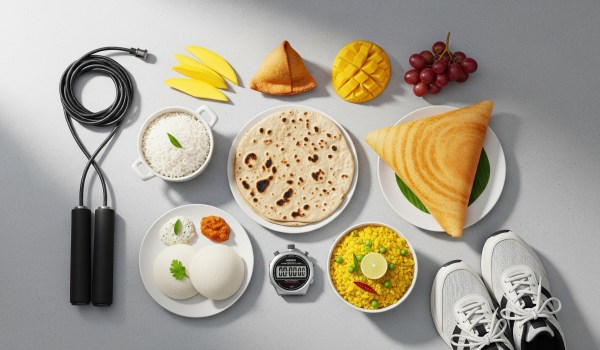
See, you don’t need exotic diets or complicated plans. A simple, balanced Indian plate with dal, veggies, roti/rice, protein, and a side of curd works beautifully when you stop overthinking it.
Why Fitness After 40 Hits Different
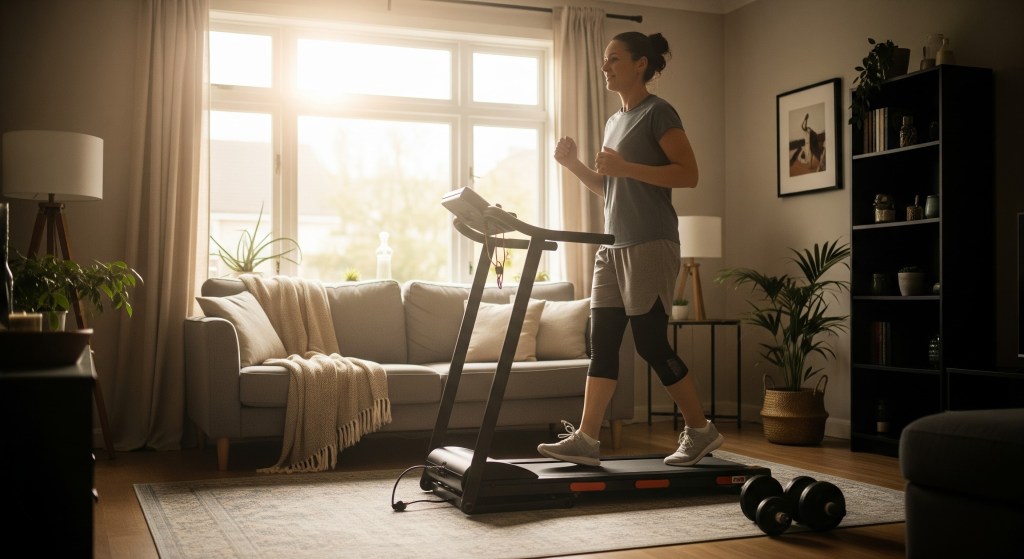
There’s something nobody told us when we were younger: Strength after 40 doesn’t just change your body, it changes your mind.
It builds a quieter, deeper kind of confidence.
Not the loud, showy kind…but the steady, grounded “I can handle my life better now” kind.
And the best part is that you start noticing it in the everyday stuff:
- You stand a little taller
- Your back stops nagging you
- Work feels less draining
- You parent with more patience
- You react less and handle stress better
- You walk into rooms with a bit more certainty
All of this creates a momentum that’s hard to ignore, what we call the Confidence Loop:
Confidence helps you stay consistent.
Consistency builds real strength.
Strength gives you more life energy.
And more energy brings back even more confidence.
This loop feeds itself, week after week, until your so-called “fitness journey” quietly becomes a complete life upgrade, not just a physical change.
And it’s not just theory. There are real stories everywhere.
Even Ketan, the CEO of Alpha Coach, was recognised by BW BusinessWorld as one of the top fitness role models in business above the age of 40; a reminder that your 40s and 50s can be the strongest, calmest, most capable years of your life, not the beginning of a slow decline.
Smart Tools and Coaching Make a Big Difference
People over 40 don’t need extreme diets or punishing workout routines.
What actually works is structure, the kind that fits into a busy life without burning you out.
Here’s what helps the most:
- A simple way to track progress so you can see what’s improving
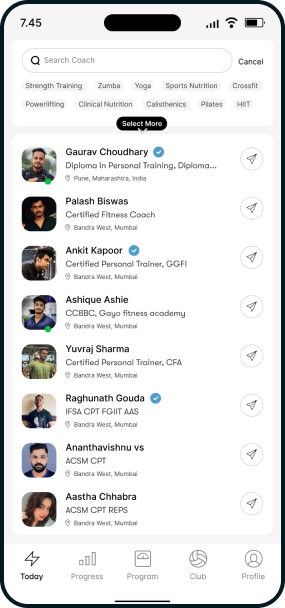
- Coaches who understand recovery and adjust their plan accordingly
- Plans that fit your lifestyle, not ones that take over your schedule
- Safe guidance for weight training, especially if you’re new or restarting
- Someone who checks in on you when motivation dips (which it will)
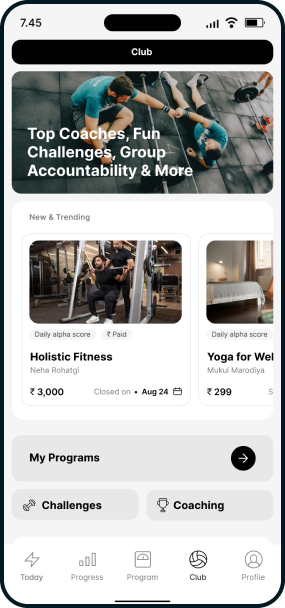
This is why personalised coaching outperforms generic templates every single time — especially when you’re juggling work, family, stress, travel and everything else that comes with being over 40.
Your body doesn’t need extremes. It needs a plan that’s right for you, delivered with structure, support and long-term consistency in mind.
Your 40+ Starter Blueprint
If you’re over 40, you don’t need a complicated training plan. You need a simple, repeatable weekly structure that builds strength, keeps you mobile, and fits into real life with real responsibilities.
Here’s a weekly blueprint that works for almost everyone:
- Day 1 – Strength (Upper Body)
Focus on pushing, pulling and basic compound movements. - Day 2 – Walk + Mobility
A 30–45 minute walk and 10 minutes of joint-friendly mobility. - Day 3 – Strength (Lower Body)
Squats, hinges, lunges — the movements that truly matter. - Day 4 – Rest or Light Walk
Let the body recover; low-intensity movement is enough. - Day 5 – Full Body Strength
A balanced session that ties the week together. - Day 6 – Long Walk / Cycling / Yoga
Choose something you enjoy; this is your “fun movement” day. - Day 7 – Rest
Full recovery, no guilt!
Also Checkout: Yoga for Stress Relief
A few simple rules make this plan safe and effective:
- Start with light weights
- Increase slowly
- Prioritise form over speed
- Keep sessions short and doable
- Remember: consistency beats intensity always
Conclusion
You are not late, behind or “too old” to start. Your 40s are simply your body asking for a smarter, more intentional approach to fitness; one built on strength, good sleep, consistent movement, balanced eating and patience. With the right structure and tools, this becomes much easier. Even simple habits like tracking meals or logging workouts in the Alpha Coach app help you stay aware and consistent. When you give your body these basics, the results show up quietly but powerfully: better energy, improved confidence, less joint pain and easier everyday movement.
Over time, these steady habits create a version of you that feels stronger, calmer and more capable. Fitness after 40 isn’t about turning back the clock; it’s about building a healthier, more confident you for the years ahead.
FAQs
- Heart Health and Fitness: 7 Exercises That Reduce Risk
- Mental Health and Fitness: How Workouts Improve Your Mood
- Best Personal Trainer: Why, How and Where to find them?
- 150+ Gym Quotes & Instagram Captions to Keep You Motivated
 2
2











Leave a Reply