
 312 views
There’s a moment many people notice as they get older. It usually arrives quietly. Maybe while tying a shoelace, or stepping out of the car, or during a walk that suddenly feels a little shorter than usual. The body whispers before it ever shouts. And that whisper often says something simple: I want to stay strong for as long as I can.
If that thought has crossed your mind, or if you’re reading this for your parents or someone you care about, we can talk through it together. Senior fitness is not about chasing youth. It’s about reclaiming ease, comfort, and the confidence to live the way you want. It’s also far more possible than most people realise. The body might change with age, but its ability to improve stays with us much longer than we expect.
I’m writing this as someone who has seen older adults surprise themselves again and again. And honestly, there’s something lovely about that surprise. It’s gentle, hopeful, and very human.
So let’s take our time. Imagine a long afternoon, maybe with a cup of tea near you that cools too fast. We’ll walk through what senior fitness really looks like, why gentle workouts work beautifully, and how anyone can begin without fear.
Movement Is Medicine At Any Age
I once sat with a physiotherapist who said something that stayed with me for years. She said the human body never loses its ability to adapt. Even in the seventies or eighties, muscles still respond to training, joints still benefit from movement, and the heart still grows stronger with consistent activity.
WHO often talks about how older adults who stay active reduce their risk of falls significantly. This matters because falls are one of the leading causes of injury among seniors. It sounds like a small problem until you realise the number of complications a single fall can trigger. Something as simple as walking more regularly or doing a few balance exercises can reduce that risk.
The aim isn’t perfection. It’s independence. Joy. Feeling steady on your feet. Being able to pick up a grocery bag, climb a few stairs, or play with a grandchild without worrying if your body will hold up.
Movement keeps that freedom alive.
Understanding Senior Fitness: How The Body Changes With Age
When we talk about exercises for senior citizens, it’s important to understand what’s happening inside the body. Not in a scary, medical textbook way, but in a practical way.
Muscle naturally decreases over time. There’s a fancy term for it, but you don’t need the term. You’ve probably felt it. Strength feels different. Balance becomes a bit unpredictable. The joints feel stiff in the morning. Even getting off a low sofa sometimes feels like an unexpected workout.
But the comforting part is this. These changes are not fixed. Harvard research has repeatedly shown that older adults can regain muscle, improve heart health, and even increase mobility with simple routines. You don’t need heavy lifting or high-intensity sessions. Even abdominal strengthening exercises for seniors can reduce back pain and increase balance in a few weeks.
Think of the body like a garden you might have ignored for a bit. It looks tired at first, but once you water it, give it sunlight, and pluck a few weeds, it wakes up again. Slowly, but surely.
Why Gentle Exercise Is Safer And More Effective After 60
People often assume workout programs for seniors need to be extremely soft or overly delicate. In reality, gentle workouts can be incredibly powerful. They just respect where the body is today.
Here’s why gentle routines work so well:
- Less strain on the joints
The knees, hips, and shoulders love slow, controlled movement. - Better compliance
If an exercise feels doable, you’re more likely to stick with it. Consistency matters more than intensity. - Improved balance
Small balance drills prevent falls more effectively than any medication. - Stronger muscles with minimal risk
Resistance exercises for seniors don’t require gym machines. Light bands, a wall, or a chair can build real strength. - Calmer nervous system
Gentle movement reduces anxiety and improves sleep quality.
What surprised me over time is how fast confidence returns. When you experience even one week of easier movement, your brain starts trusting your body again. That trust changes everything.
Common Myths About Working Out After 60
There are some myths that float around in conversations about senior health. You may have heard a few.
- Myth 1: “It’s too late to start.”
Truth: The body never stops responding. ICMR has noted that older adults can regain strength at the same rate as people much younger when routines are well structured. - Myth 2: “Walking is enough.”
Walking is lovely. It helps the heart. But it doesn’t train the upper body or improve core stability. The most beneficial exercise for seniors involves a mix. - Myth 3: “Strength training is risky.”
Unsafe forms of strength training can be risky, yes. But guided, controlled routines are incredibly safe and protective. - Myth 4: “Pain means stop everything.”
Pain means adjust. There’s a difference between joint ache and sharp pain. Gentle modifications usually fix the problem.
Breaking these myths removes fear. And once fear leaves, movement becomes lighter and more enjoyable.
The Benefits Of Gentle Workouts For Seniors
Beyond mobility and strength, there’s a long list of benefits that sneak up quietly.
- Better everyday balance
Someone once told me that their biggest win was being able to stand on one leg to wear trousers again without holding a wall. A small thing, but it feels like magic when you get it back. - Reduced stiffness
Movement brings blood flow to the joints, which reduces the creaky morning feeling many seniors describe. - More energy
Paradoxically, moving more gives you more energy. WHO estimates that even moderate activity improves oxygen flow throughout the body. - Better sleep
Many seniors begin sleeping more deeply after two weeks of light exercise. - Improved mental clarity
Movement boosts brain chemicals that affect focus and mood. - Stronger heart health
Light cardio reduces the risk of heart disease, which becomes more important as we age.
Something is uplifting about watching these benefits stack up, almost like quiet wins accumulating in the background.
Best Exercises For Seniors

People often ask what exercises they should focus on. These are simple, safe, and doable at home.
- Chair Squats
Strengthens legs, improves the ability to stand up without support.
- Wall Pushups
Perfect for building upper body strength without pressure on wrists.
- Ankle Circles and Heel-Toe Walks
Great for balance and walking stability.
- Marching In Place
Gets the heart moving and loosens the hips.
- Side Leg Raises
Strengthens hip muscles that prevent falls.
- Light Resistance Band Pulls
Helps with shoulder mobility and back strength.
These are great starting points for exercise for seniors who want an easy entry into fitness without feeling overwhelmed.
How To Start Safely
Starting slowly is not a weakness. It’s wisdom.
- Begin with five minutes. Let that be enough.
- Warm up with joint circles and breathing.
- Hold on to a chair for support when needed.
- Stop only if you feel sharp pain. Mild discomfort is fine.
- Wear supportive shoes.
- Train consistently rather than intensely.
One of the most helpful things is permitting yourself to progress at your own pace. You’re not training for a race. You’re training for a better life.
Building Confidence Through Movement
There’s a psychological shift that happens during senior fitness journeys. It’s subtle, but powerful.
At first, people move cautiously. They test their body almost like they’re negotiating with it. Then, after a week or two, something changes. Movements feel smoother. A little lighter. Someone might say, “I feel steadier on the stairs” or “My back doesn’t yell at me in the mornings.”
I once watched a seventy-year-old man in a community program stand up from the floor without using his hands after months of practice. Everyone around clapped, but he just laughed and said he had not done that since his forties. It was a simple moment, but it carried a quiet kind of triumph.
Movement brings back a sense of control. That feeling is precious.
Tools And Support For Senior Fitness
Most people do well when they follow a plan. Guessing can be tiring. Having guidance makes the journey smoother.
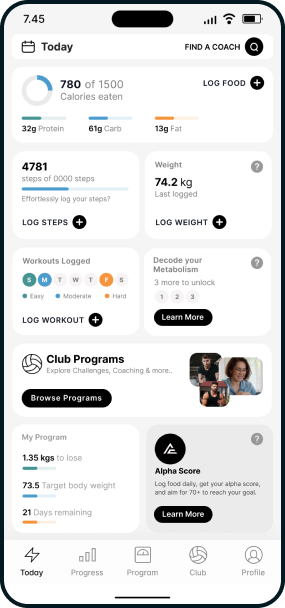
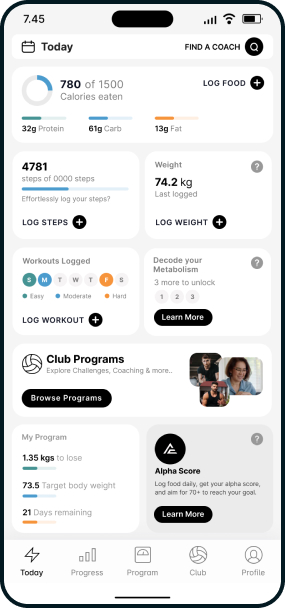
Apps, trainers, senior fitness groups, and tailored routine videos all help. It’s about finding the format that feels friendly. Nothing intimidating.
If you want a structured system built specifically for older adults, the Alpha Coach Senior Fitness Program offers guided sessions that focus on mobility, strength, balance, and comfort.
If you’re exploring more topics on healthier movement habits, there’s also an internal link you may like. You can look up the Alpha Coach blog section on sustainable fitness strategies, which often has helpful guides for beginners.
Conclusion
Ageing is often portrayed as a slow decline, but it doesn’t have to look that way. With the right movement, the body becomes a companion again instead of a concern. Gentle workouts open up a life with more comfort, more energy, and fewer limitations.
Every small session is a quiet investment in future freedom. And the best time to begin is now. You can start with a few simple exercises or follow a guided program like the one offered by Alpha Coach. Either way, you’re choosing strength. You’re choosing ease. You’re choosing to live with more confidence.
One day at a time. One gentle movement at a time.
FAQs
- Fitness Over 40: Why It’s Never Too Late to Build Confidence
- Anti-Obesity Day 2025: Why India Needs to Rethink Weight Loss
- India’s Growing Diabetes Challenge: How Lifestyle Changes Can Help
- Heart Health and Fitness: 7 Exercises That Reduce Risk
 2
2











Leave a Reply