

 292 views
Why is everyone talking about black coffee?
Not too long ago, coffee was just the thing you grabbed to survive an all-nighter or power through office deadlines. These days? Step into a gym and you’ll find people sipping black coffee before lifting weights, treating it like their own budget-friendly pre-workout.
Somewhere between social media reels, “7-second coffee hacks,” and celebrity interviews, black coffee went from being the drink of sleepy IT professionals to the “super drink” of weight loss enthusiasts. But does it really deserve this reputation? Can something as simple as coffee without milk or sugar help you lose weight? Or is this another case of fitness hype brewed a little too strongly?
Let’s find out.
What is Black Coffee?

At its core, black coffee is just brewed coffee without sugar, milk, or additives. This makes it:
- Very low-calorie (~2–3 kcal per 240 ml)
- Naturally rich in antioxidants
- A clean source of caffeine
While flavoured coffees or sugar-laden beverages can sabotage health goals, black coffee offers the full benefits of coffee beans without extra calories.
Nutritional Snapshot (per 240 ml cup of black coffee):
- Calories: 2–3
- Protein: 0.3 g
- Fat: 0 g
- Carbohydrates: 0 g
- Caffeine: 95 mg (varies with brew method)
- Micronutrients: Trace amounts of potassium, magnesium, and niacin
It’s this lean nutritional profile, combined with caffeine and antioxidants, that makes black coffee a favourite in health and fitness circles.
How Black Coffee Aids Weight Loss
Now, let’s cut the hype and look at the science. Black coffee doesn’t “burn fat” like a matchstick burns paper. What it does is support your body in ways that make fat loss easier.
a) Boosts Metabolism
Caffeine is a natural stimulant. In a study, caffeine (8 mg/kg) and coffee (4 mg/kg caffeine) both significantly increased metabolic rate in the hours following consumption. Notably, lean participants also showed higher fat oxidation, especially when coffee was consumed with a meal.
Think of metabolism as the body’s furnace. Normally, it burns at a steady pace. Caffeine is like tossing in dry wood; it makes the fire burn hotter for a while. The effect isn’t permanent, but it’s enough to make a difference if you’re consistent. That’s why athletes and gym-goers often use coffee before workouts; it primes their body to run “hotter” and use energy more efficiently.
b) Mobilises Fat Stores
Caffeine spikes adrenaline levels. That signals fat cells to break down and release stored fat into the bloodstream. A 2021 study found that caffeine increased the rate of fat oxidation by 10.7% in the morning and 29% in the afternoon during exercise. Think of it as unlocking fat storage so your body can use it as fuel.
Here’s the catch: mobilising fat doesn’t mean the fat disappears. It just becomes available to burn. If you don’t use that energy – for example, if you sip coffee and then sit still at your desk, it won’t make much difference. Pairing coffee with physical activity is what turns this “unlocking” into actual fat burn.
c) Enhances Workout Performance
Athletes have used caffeine for decades as a performance booster. A PLOS One study showed that consuming coffee an hour before exercise improved endurance compared to a placebo. For you, this means running that extra kilometre or surviving those last 10 burpees without collapsing dramatically. More effort = more calories burned.
Think of caffeine here as your gym cheerleader. It doesn’t lift the weight for you, but it convinces your brain that you can push a little harder and last a little longer. Over weeks and months, those “extra reps” or “extra minutes” add up to a big calorie difference.
d) Appetite Control
Ever noticed you’re less hungry after a strong coffee? That’s real. Caffeine can temporarily suppress appetite in some people.
For dieters, this can be a quiet superpower. Skipping mindless snacking or holding off until the next meal keeps calorie intake in check. Of course, this effect varies; some people swear coffee keeps them full, while others feel hungry again soon after. But even a small reduction in snacking, done consistently, can help create the calorie deficit needed for weight loss.
Benefits of Drinking Black Coffee for Weight Loss
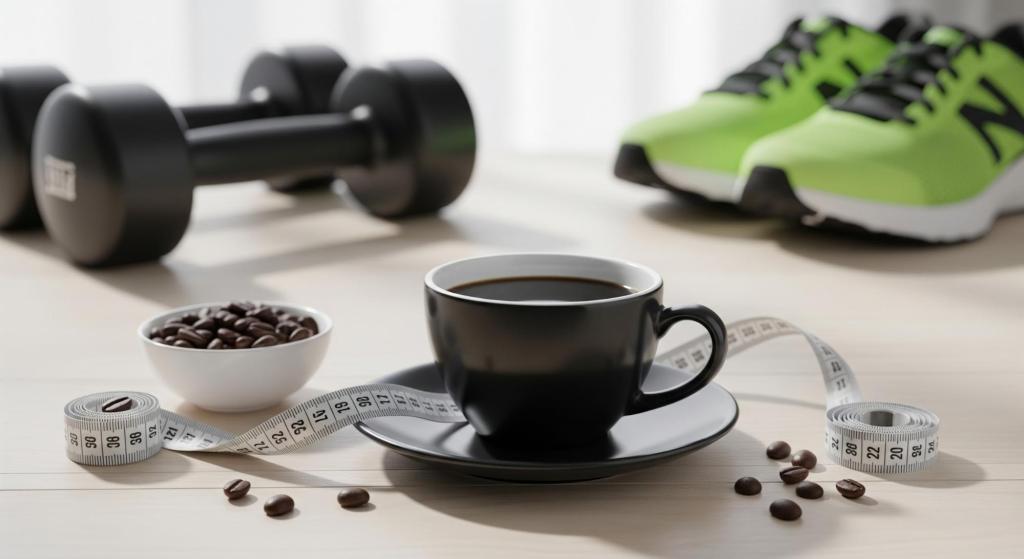
Apart from metabolism and fat oxidation, black coffee has extra benefits:
-
Low-calorie alternative:
Swapping your daily latte (150 calories) for black coffee (2 calories) saves 148 calories. Do that for 6 months, and you’ve cut ~26,600 kcal, which is roughly equivalent to 3–3.5 kg of fat, without changing anything else.
Think of it this way: it’s the simplest diet hack nobody talks about. No complicated meal prep, no exotic ingredients, just changing how you drink your coffee. If you’re someone who hits Starbucks daily, this swap alone can be the difference between losing weight steadily and staying stuck.
-
Antioxidant-rich:
Coffee is one of the biggest sources of antioxidants in modern diets, which may protect against chronic diseases. Antioxidants are like the body’s rust-protectors.
Just as metal corrodes over time when exposed to oxygen, our cells get damaged by “oxidative stress.” Antioxidants slow that down. So while most people think of fruits and veggies as antioxidant-rich, it’s actually coffee that delivers a huge daily dose, especially in coffee-drinking cultures. For many people, coffee is their number one source of antioxidants without them even realising it.
-
Supports heart health:
A 2025 study in the Journal of Clinical Endocrinology & Metabolism linked moderate coffee intake (3 cups/day) to a 40% lower risk of cardiometabolic diseases.
What makes this compelling is the scale of the research: the study used data from over 170,000 people in the UK Biobank. That’s not a small lab test; it’s a massive population study. The results show that moderate coffee drinking isn’t only safe, but may also actively protect against conditions such as heart disease, diabetes, and stroke.
-
Mental focus:
By blocking adenosine, caffeine sharpens focus and delays fatigue. In short, it doesn’t just help you in the gym; it also helps you avoid accidentally falling asleep in your 4 p.m. meeting.
Picture this: you’ve just eaten a heavy lunch, you’re sitting through a long client call, and your brain feels like it’s running on dial-up. One cup of black coffee and suddenly you’re alert, engaged, and less likely to embarrass yourself by nodding off. That mental clarity can be just as valuable as the physical energy coffee provides.
Myths About Black Coffee and Weight Loss
Let’s bust some common myths:
- Myth 1: Black coffee burns belly fat.
Spot reduction is a myth. Coffee helps your body use fat for energy, but only a calorie deficit shrinks the waistline. - Myth 2: The more you drink, the faster you lose weight.
No, studies show benefits plateau after moderate intake. Beyond 3–4 cups, you risk anxiety, acidity, and poor sleep - Myth 3: Coffee alone is enough for weight loss.
Without exercise and diet, coffee is like buying expensive running shoes and never leaving the sofa.
How to Drink Black Coffee for Weight Loss
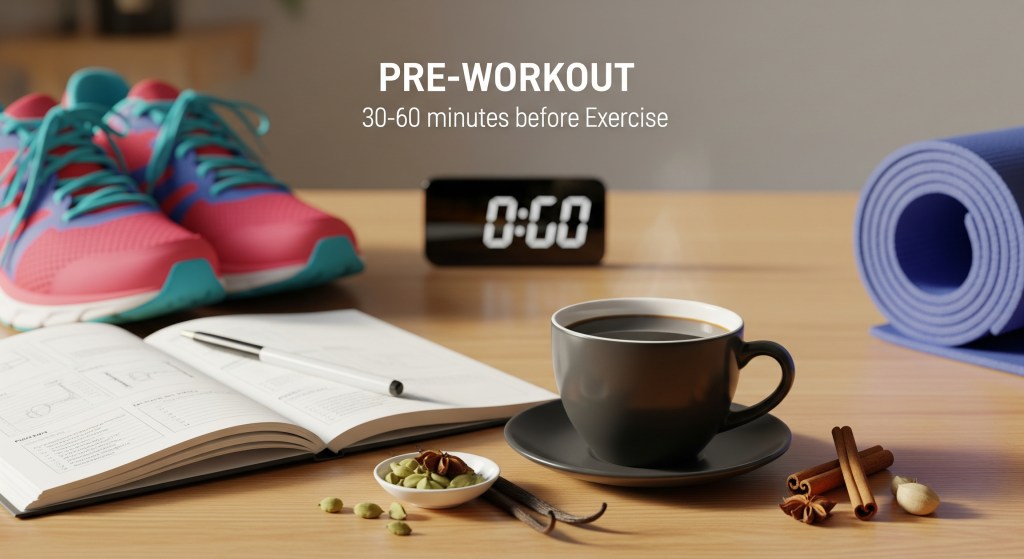
If you’re ready to add black coffee to your routine, here’s how to do it wisely:
- Have a cup 30–60 minutes before exercise for maximum benefits.
- Avoid late-night cups unless you want to stay up till 2 a.m. scrolling memes.
- Limit sugar & cream. Even a teaspoon of sugar (16 calories) cancels the “zero-calorie” advantage.
- Stick to 2–3 cups/day, that’s the sweet spot.
- Add spice, not sugar. Cinnamon, cardamom, or vanilla essence can enhance flavour without calories.
Side Effects of Too Much Black Coffee
Black coffee is a great ally, but like every sidekick, it can turn into a nuisance if you overdo it.
- Drinking it on an empty stomach can cause heartburn or irritation.
- Too much caffeine overstimulates the nervous system, and you end up restless instead of focused.
- A late-night cup can keep you tossing in bed when you should be recovering.
- Chronic caffeine intake can lead to physiological changes. You’ll need more just to get the same effect, and cutting back may bring headaches, fatigue, or irritability. A review in Frontiers in Psychiatry confirms that prolonged use of caffeine causes both tolerance and withdrawal symptoms, even at moderate daily doses.
The trick is to enjoy it in moderation – 2 to 3 cups a day is plenty.
Conclusion
So, does black coffee help with weight loss? Yes, but only as a helper, not the hero.
It boosts metabolism, mobilises fat, suppresses appetite, and improves workouts, but it won’t cancel a plate of butter chicken or replace proper sleep. Think of it as the supportive friend in your fitness journey, not the main star.
If you already enjoy coffee, going black is a smart upgrade. It’s low-calorie, research-backed, and easy to integrate into daily life. But like all good things, moderation is key.
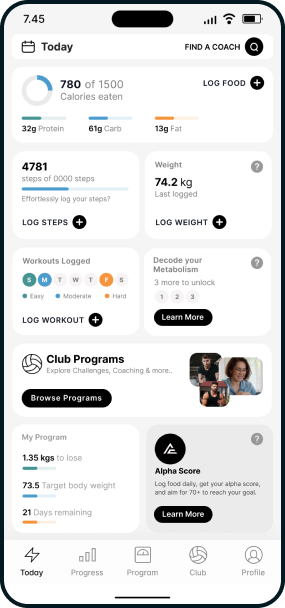
If you want to go beyond coffee and build a sustainable plan for nutrition and workouts, explore the Alpha Coach app or connect with fitness coaches from our nationwide coach directory. Small habits plus smart coaching, that’s where the real magic lies. Do check the amazing mouth watering and healthy recipes as well from Alpha Coach.
Frequently Asked Questions
- Is Makhana the New Superfood Snack
- Top 7 Healthy Carbohydrate-Rich Foods
- Intermittent Fasting 101: The 16/8 Rule
- What is Quinoa: Health Benefits and Nutritional Values
 0
0














Leave a Reply