
 427 views
Introduction: Small Seeds, Big Benefits
They’re small, aromatic, and often tossed into your mouth after a meal at any Indian restaurant, but fennel seeds are far more than a post-meal breath freshener. Known for their distinctive liquorice-like flavour, fennel seeds (scientifically known as Foeniculum vulgare) are an age-old digestive aid and herbal remedy that modern wellness culture is rediscovering.
From aiding digestion to supporting hormonal health and even helping manage weight, fennel seeds pack a surprising nutritional punch in a tiny package. This blog explores why these flavourful seeds deserve a spot in your kitchen and how incorporating them into your diet can benefit your gut, skin, heart, and more.
But what if we told you that these humble fennel seeds are more than just a traditional palate cleanser? They’re a time-tested digestive aid and a nutritional powerhouse that has quietly earned superfood status in the wellness world.
Fennel seeds have been used for thousands of years across cultures. From the spice bazaars of the Middle East to Ayurvedic kitchens in India and ancient Roman medicine cabinets. Their aromatic flavour is matched by a long list of health benefits, particularly for digestion. In fact, recent research is rediscovering what traditional medicine has known all along: that fennel seeds can reduce bloating, relieve indigestion, and support gut health in a natural, effective way.
What Are Fennel Seeds?
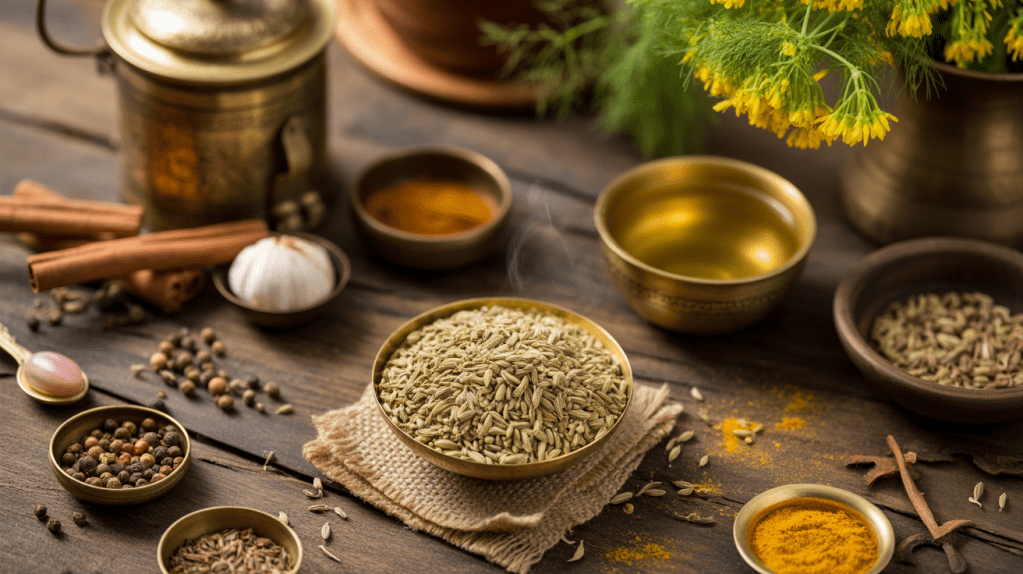
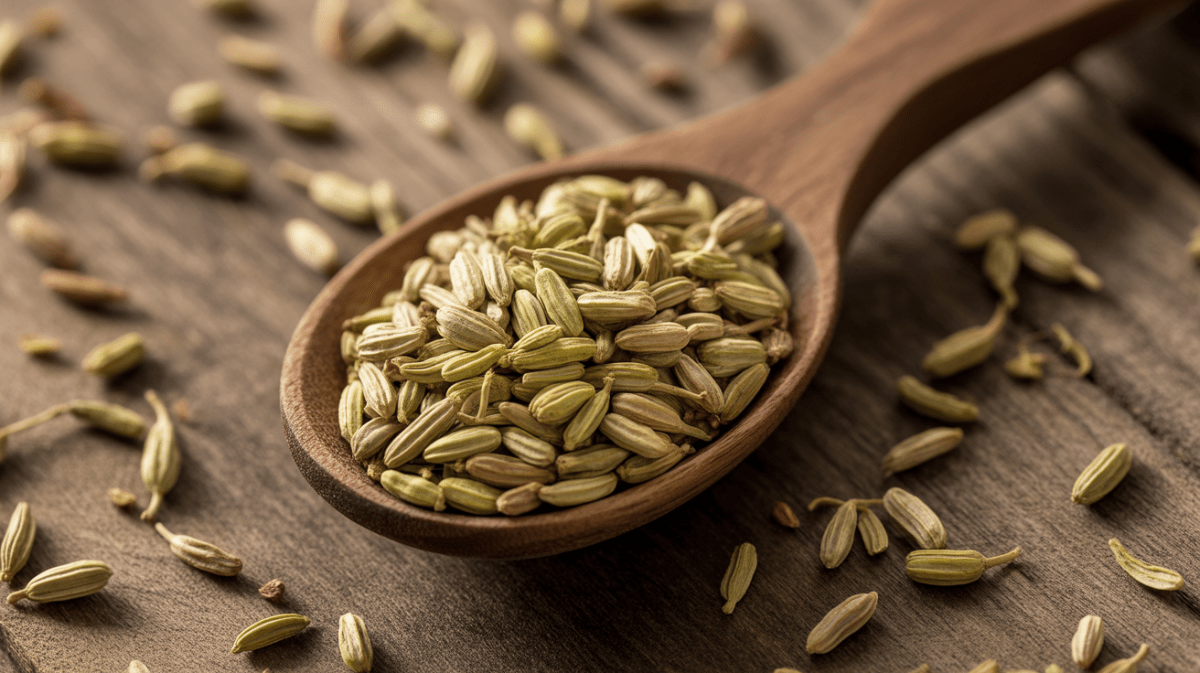
Fennel seeds are harvested from the fennel plant, a hardy perennial herb in the carrot family, native to the Mediterranean but widely cultivated across the world, especially in India. The seeds are light greenish-brown, oblong, and have a strong, sweet aroma reminiscent of anise or liquorice.
Used extensively in both culinary and medicinal traditions, they’re found in spice blends, teas, and digestive aids. For thousands of years, fennel seeds have been used in ancient systems of medicine such as Ayurveda, Traditional Chinese Medicine, and Unani for their therapeutic benefits. They are known to balance the body’s digestive fire (Agni) and are used to soothe everything from colic in infants to menopausal symptoms in women.
But their value isn’t limited to the medicine cabinet. In Indian cuisine, they’re a vital component of spice blends like panch phoron and are often roasted and served as a digestive mouth freshener (mukhwas). In Mediterranean dishes, fennel seeds are added to breads, sausages, and tomato-based sauces for a sweet, aromatic note. Middle Eastern and Persian kitchens use them to flavour rice, stews, and herbal teas.
Their dual role, both medicinal and culinary, has helped fennel seeds remain relevant through centuries of human history. Today, they’re being rediscovered by the modern wellness community as a powerful natural remedy for gut health, hormonal balance, and more.
Digestive Superpowers of Fennel Seeds
1. Relieves Bloating and Gas
The most well-known benefit of fennel seeds is their digestive prowess. They contain compounds like anethole, fenchone, and estragole, which have antispasmodic and carminative effects. These properties help relax the muscles in the gastrointestinal tract, allowing trapped gas to pass and easing symptoms of bloating, cramping, and indigestion.
In Ayurveda, fennel is known as “Shatapushpa” and is often recommended as a post-meal mouth freshener to support Agni (digestive fire). Fennel tea or simply chewing a few seeds after meals can significantly reduce post-meal discomfort.
2. Reduces Acidity and Indigestion
Fennel’s soothing action can help calm the stomach lining and reduce acid reflux. Its mild alkaline nature balances stomach acids, which is why it’s often recommended for those who suffer from hyperacidity or heartburn.
How to Use Fennel Seeds in Your Diet
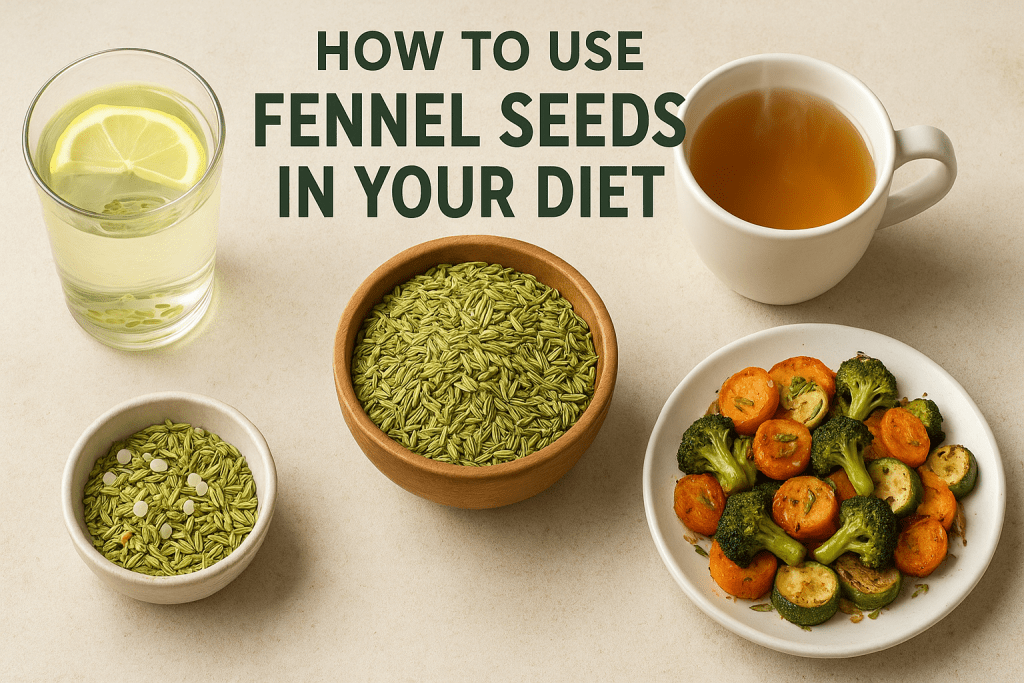
Incorporating fennel seeds into your routine is both easy and versatile:
1. Chew Raw Seeds
After meals, chew ½ teaspoon of fennel seeds to freshen your breath and support digestion.
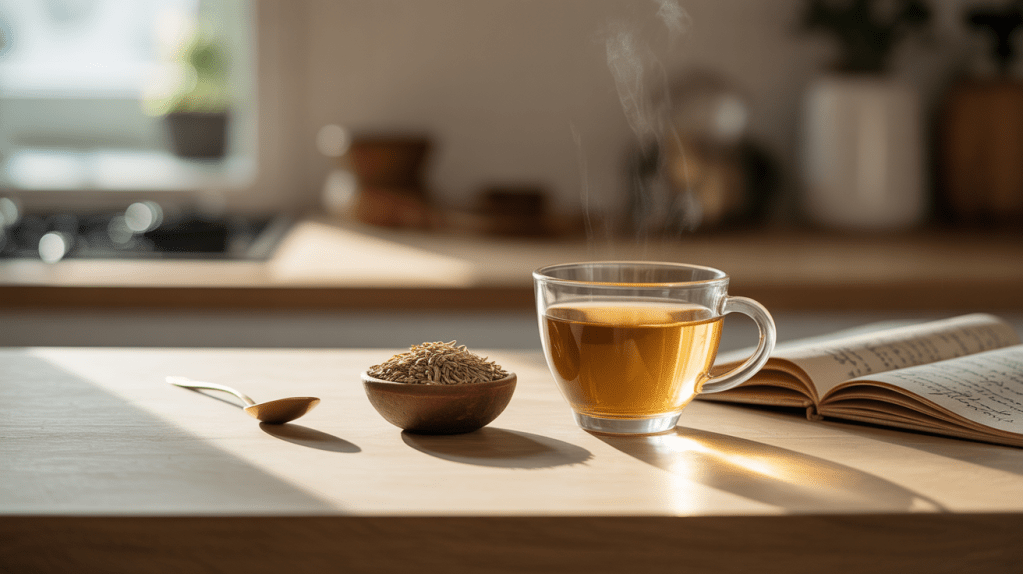
2. Make Fennel Tea
Boil 1–2 teaspoons of crushed seeds in a cup of water. Simmer for 5 minutes, strain, and sip. Ideal after heavy meals or before bed.
3. Add to Cooking
Fennel seeds can be toasted and added to curries, bread, soups, or even desserts for a sweet-savoury kick.
4. Infuse Your Water
Add a teaspoon of fennel seeds to your water bottle overnight. Drink throughout the next day for subtle flavour and digestion support.
5. Mix with Other Digestive Seeds
Combine with carom (ajwain) and cumin seeds to create a homemade digestive blend—dry roast and store in an airtight jar.
Scientific Backing: What Studies Say
- A 2020 review published in the Journal of Food Biochemistry highlighted fennel’s antioxidant, antimicrobial, and anti-inflammatory effects, making it beneficial for everything from gut health to chronic disease prevention.
- According to a 2014 study in BioMed Research International, fennel essential oil demonstrated strong antibacterial activity against E. coli and Staphylococcus aureus—two common culprits in foodborne illnesses.
- The Journal of Obstetrics and Gynaecology Research (2012) published findings showing that fennel extract reduced menstrual pain and improved quality of life in young women.
Potential Side Effects and Precautions
While fennel seeds are generally safe when consumed in moderation, certain risks and side effects may occur:
- Pregnancy and Breastfeeding
- High doses of fennel extracts or essential oils may stimulate uterine contractions or affect hormones.
- Safety during breastfeeding is not well established, so use only under medical guidance.
- Allergic Reactions
- People allergic to carrots, celery, or mugwort may experience itching, rashes, or breathing difficulties due to cross-reactivity.
- If you have a history of pollen or food allergies, start with very small amounts.
- Medication Interactions
- Fennel may interfere with certain medications such as oestrogen-based therapies, birth control pills, blood thinners, and some antibiotics.
- Always consult your doctor before using fennel if you are on long-term medication.
- Skin Sensitivity
- Overconsumption or topical use of fennel oil may increase sensitivity to sunlight, leading to rashes, burns, or pigmentation.
- Hormonal Effects
- Due to its phytoestrogens, fennel may influence hormone-sensitive conditions such as breast cancer, endometriosis, or ovarian cysts.
- People with such conditions should be cautious and seek medical advice before use.
Conclusion: A Pinch of Fennel, A Lifetime of Benefits
From ancient Ayurvedic scrolls to modern scientific journals, fennel seeds have earned their reputation as a wellness essential. Their unique combination of digestive support, antioxidant power, and pleasant flavour makes them one of the easiest superfoods to incorporate into your lifestyle.
From relieving everyday digestive discomfort to providing antioxidant protection and supporting hormonal balance, fennel seeds prove that natural, accessible remedies still have a firm place in modern health routines. They’re not just flavour enhancers or post-meal breath fresheners, they’re tiny nutritional powerhouses with benefits supported by both ancient wisdom and modern science.
Incorporating fennel into your daily life doesn’t require a major lifestyle overhaul. Just a teaspoon of raw seeds after lunch, a warm cup of fennel tea before bed, or a sprinkle in your cooking can have noticeable effects on how your body feels and functions. For delicious ways to use fennel in your meals, see this roundup of creative fennel recipes at BBC Good Food.
Small, everyday choices, like adding fennel to your meals, can have a big impact over time. But lasting health isn’t about one ingredient; it’s about building consistent habits.
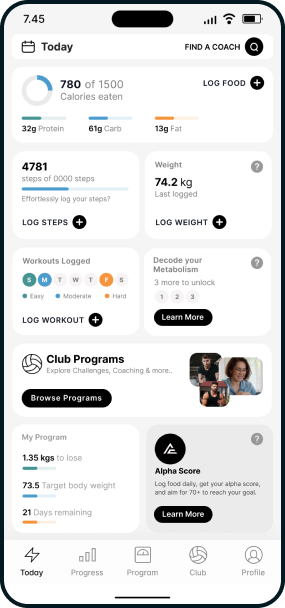
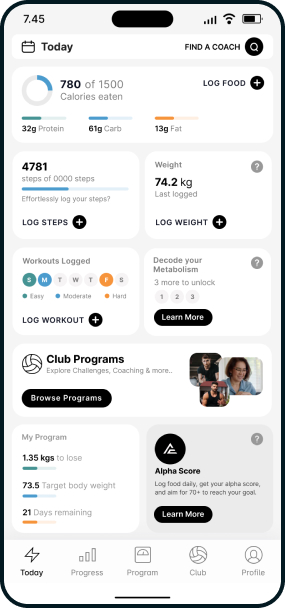
That’s where Alpha Coach comes in. With the Alpha Coach diet-coaching app, you can track your meals, understand what works for your body, and get personalized coaching that makes healthy living simple and sustainable. Whether your goal is to refine your diet or develop healthier habits, Alpha Coach makes the process simple and effective.
Frequently Asked Questions (FAQ)
People allergic to carrots, celery, or mugwort (cross-reactivity risk).
Those on oestrogen-based treatments or certain antibiotics.
Pregnant or breastfeeding women (without medical advice).
- From Leaves to Powder – Everything to Know about Indian Superfood Moringa
- Is Makhana the New Superfood Snack: Here’s Why Everyone’s Eating It
- Inside the Celebrity Slimdown: Is Ozempic the Secret Weapon—Or Just Another Trend?
- Detox Water for Weight Loss- A Bridge Between Ayurveda and Modern Science
Disclaimer: This article is meant for informational purposes and relies on authentic and trusted sources across the web and my personal opinions. I am not a certified nutritionist, dietitian, or medical professional. Please speak to a qualified health coach or medical professional before making any major lifestyle or medication decisions.
 0
0












Leave a Reply