

 726 views
If you’ve been paying attention to health trends lately, you’ll notice that probiotics are everywhere. Shelves are lined with bottles of kombucha, kefir, and yogurt drinks. Health influencers talk endlessly about the “gut microbiome” and why it’s key to immunity, energy, and even happiness.
But here’s the thing: India has been here all along. Long before scientists coined the term “probiotics,” our ancestors were already brewing, fermenting, and eating foods that naturally carried gut-friendly bacteria. From chaas in Gujarat to kanji in Punjab, from dosa batter in Tamil Nadu to axone in Nagaland, fermentation has always been woven into our food culture.
Why? Because it worked. People noticed that these foods not only kept well in the absence of refrigeration but also made digestion smoother, meals more satisfying, and bodies more resilient. Indian fermented foods have been a cornerstone of our culinary culture for centuries, offering natural probiotics that support digestion and overall gut health.
Today, modern science is catching up with what India already knew: fermented foods are a gift to the gut. Packed with live cultures and rich flavours, fermented Indian foods offer a powerful, time-tested way to improve digestion and overall wellness.
What Is Fermentation? The Science Made Simple
Let’s strip the jargon away. Fermentation is basically nature’s way of preservation and transformation. You take a raw ingredient – milk, rice, lentils, vegetables – and let bacteria, yeast, or mould do their work. By combining slow fermentation with seasonal produce, Indian fermented vegetables offer a delicious way to enhance digestion while preserving essential nutrients. These microbes feed on sugars and starches, and in the process, they transform the food:
- Milk becomes yogurt.
- Rice and lentils become fluffy idli batter.
- Tea becomes kombucha.
- Soybeans become miso paste or tempeh.
- Black carrots in North India become kanji.
- Grapes become wine.
- Barley becomes beer.
- Wheat or rye dough becomes sourdough bread.
- Cucumbers become pickles.
- Green mangoes become achar (fermented Indian pickle).
This transformation isn’t random – microbes are busy producing compounds that completely change the food. They generate organic acids like lactic and acetic acid, which act as natural preservatives and give that familiar tang in yogurt or pickles. They release enzymes that break down proteins and carbs, making the food lighter and easier to digest (idlis feel softer on the stomach than plain rice for this reason). Fermentation also boosts vitamins like B12 and K while reducing anti-nutrients that block mineral absorption. And of course, it creates probiotics – the live “good” bacteria that support gut balance and immunity. In short, fermentation doesn’t just preserve food; it improves it – tastier, more digestible, and often more nutritious than what you started with.
Nutritional and Gut Microbiome Benefits
Fermentation can:
- Break down complex nutrients, making them easier to absorb.
- Reduce anti-nutrients (like phytic acid in grains and legumes) that block mineral absorption.
- Produce B vitamins, vitamin K, and bioactive compounds.
- Increase the bioavailability of proteins.
In simple words, fermentation takes ordinary food and upgrades it. And our ancestors didn’t need microbiology textbooks to trust it. They just saw that it worked.
Fermented Foods in Indian Tradition: A Heritage of Healing
Ayurveda, India’s ancient system of medicine, has always valued fermented foods. Drinks like takra (buttermilk) and peya (fermented rice gruel) were recommended for digestion and recovery. Seasonal wisdom guided their use too: kanji during winters to keep the body warm, chaas in summers to cool down.
Fermented foods weren’t just about health, they were about culture. Community kitchens, family gatherings, and religious traditions often centred around fermented staples. Dosa batter was left overnight to rise; pickles were shared in clay jars; rice beer brewed in the East marked festivals and harvests.
Geography also shaped fermentation. Humid coastal regions leaned towards rice and coconut-based ferments. Dry states like Rajasthan relied on pickles preserved in oil. Hill states fermented grains and bamboo shoots to survive long winters. This wasn’t a “trend.” It was life.
Regional Fermented Foods of India and Their Health Benefits
This is where India shines. Our diversity doesn’t stop at language or dress, it extends right into our kitchens. When you explore any list of fermented foods in India, you’ll notice how each region has its own probiotic-rich favourites rooted in local ingredients and ancient techniques. Let’s take a tour.
- South India

-
-
- Idli and Dosa Batter: Rice and urad dal soaked, ground, and left overnight to ferment. The result? Light, fluffy idlis and crispy dosas that are easier to digest than plain rice. The fermentation process reduces phytic acid, boosts B vitamins, and adds gut-friendly bacteria.
- Appam: A Kerala favourite, made with fermented rice and coconut milk, light on the stomach and nutrient-dense.
- Neer Dosa: Fermented just briefly, but enough to give a tangy flavour and make it easy to digest.
-
- West India

-
-
- Dhokla and Handvo: Chickpea and rice batters naturally fermented to rise and fluff up. These snacks are light yet protein-rich.
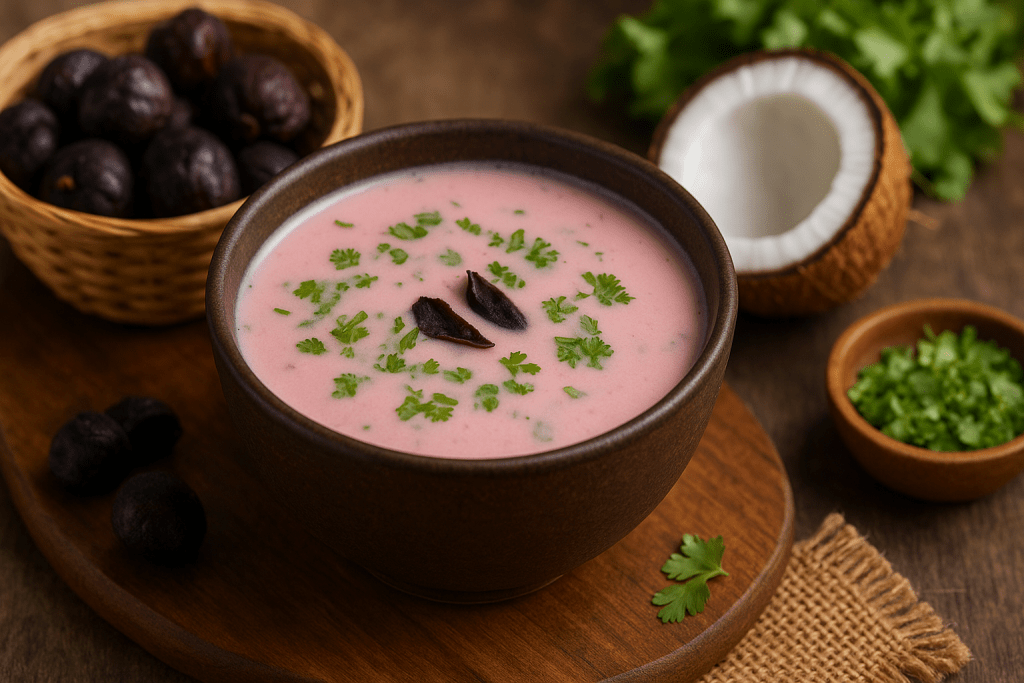
- Sol Kadhi: From coastal Maharashtra, this refreshing pink drink made with kokum and fermented buttermilk soothes acidity and cools the body.
-
- North India
-
-
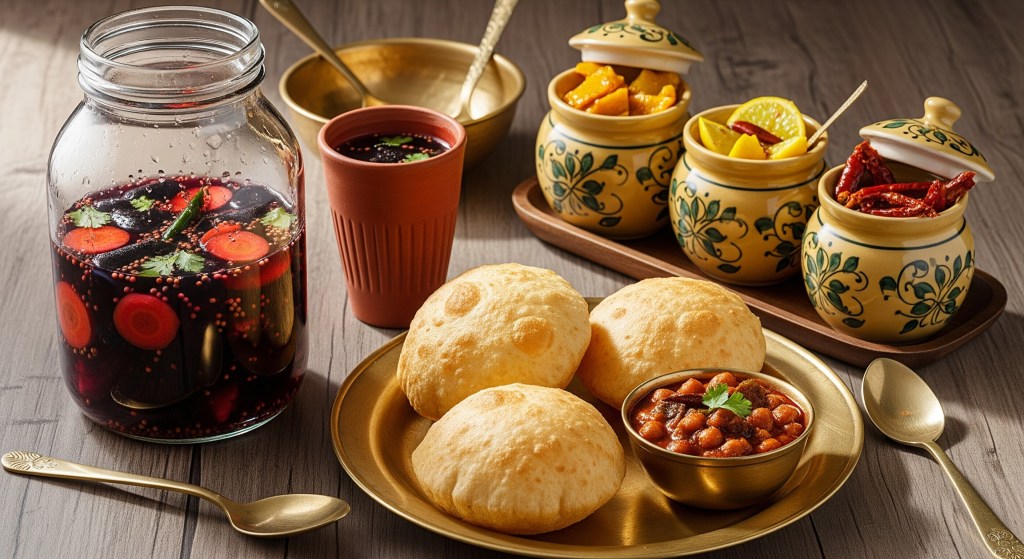
- Kanji: A winter drink made with black carrots, mustard seeds, and water left to ferment. It’s tangy, probiotic-rich, and a natural digestive tonic.
- Bhatura: Traditionally, bhatura dough was fermented with yogurt or natural wild yeast, making it fluffier and easier to digest than instant versions.
- Pickles: Properly made without preservatives, pickles are fermented with salt and spices, giving a dose of probiotics alongside flavour.
-
- East India
-
-
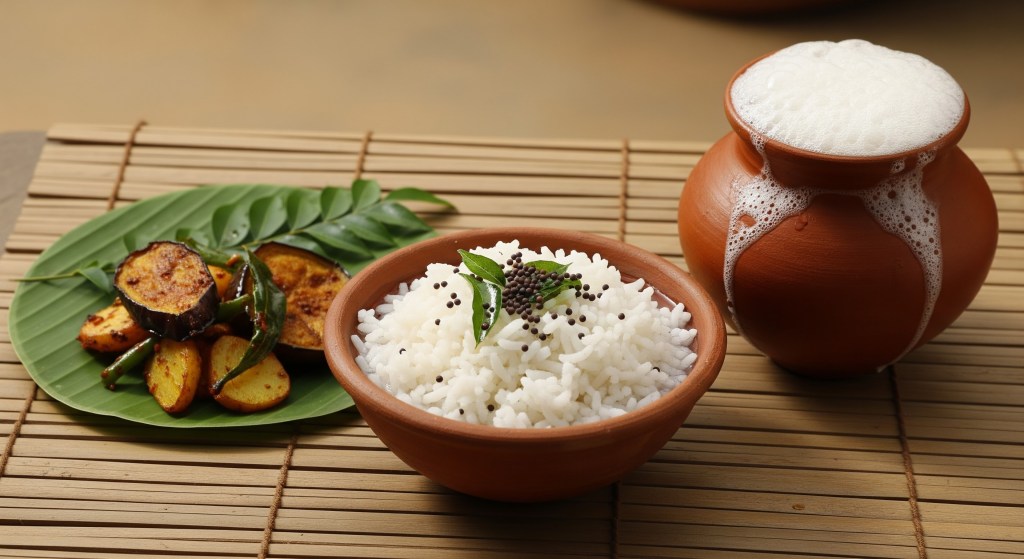
- Pakhala Bhat (Odisha): Cooked rice soaked overnight in water, sometimes spiced with curry leaves and mustard seeds. Cooling, probiotic-rich, and perfect for summers.
- Handia and Rice Beer (Jharkhand, Chhattisgarh, Assam): Fermented rice-based drinks consumed during festivals. They aid digestion and serve as community rituals.
-
- North-East India

-
-
- Fermented Bamboo Shoots: Used in curries and chutneys, bamboo shoots are tangy, fibrous, and probiotic.
- Ngari (Fermented Fish): A Manipuri staple, adding protein and probiotics.
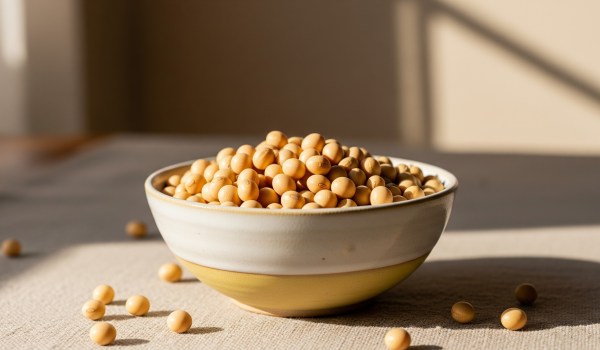
- Axone (Fermented Soybean): Famous from Nagaland, it has a strong flavour but is packed with protein and gut-friendly bacteria.
-
- Pan-India Classics

-
-
- Buttermilk (Chaas/Takra): Cooling, hydrating, and probiotic-rich. Every region has its twist – cumin in Gujarat, curry leaves in the South, or just plain with salt.
- Curd/Yogurt: The simplest and most widespread fermented food in India, eaten daily across households.
-
Each of these foods does more than fill the stomach. They heal, they preserve, they connect us to community and culture.
Why Fermented Foods Are a Superfood for Gut Health

Modern science backs what Ayurveda already knew,which is that fermented foods:
- Boost Gut Diversity
Your gut is home to trillions of microbes, some helpful and some not so much. The more variety you have, the stronger and more adaptable your gut becomes. Eating fermented foods introduces different strains of probiotics (think Lactobacillus from curd, Bifidobacterium from pickles, or yeast strains from rice beer). Each strain has its own “job”. One might help with breaking down fibre, another with producing vitamins, and another with fighting off harmful bacteria. Together, they create a more resilient system that can bounce back quickly from stress, antibiotics, or dietary slip-ups.
- Improve Digestion
One of the most obvious and immediate benefits of fermented foods is smoother digestion. The fermentation process itself partially breaks down proteins, carbs, and lactose, making them easier to digest. That’s why people who are lactose intolerant often tolerate yogurt or buttermilk better than milk. Similarly, fermented grains like those in idli or dosa batter are lighter on the stomach than raw rice or dal. Fermentation essentially does some of the “pre-digestion” work before the food even reaches you.
- Support Immunity
About 70% of the body’s immune system sits in the gut. When your gut lining is strong and balanced, it acts like a shield against harmful pathogens. Probiotics from fermented foods help maintain this balance by crowding out bad bacteria, strengthening the gut wall, and producing compounds that keep the immune response sharp. This doesn’t mean eating a dosa will prevent colds overnight — but consistently including fermented foods can build long-term resilience.
- Reduce Inflammation
Many modern health problems like diabetes, heart disease, joint pain, are linked to chronic low-grade inflammation. Fermentation produces not just probiotics but also postbiotics: beneficial compounds like short-chain fatty acids. These act like natural fire extinguishers inside the body, calming down inflammation and protecting tissues. A simple traditional food like chaas or kanji, consumed regularly, may therefore help keep your body’s “inflammatory thermostat” in check.
- Enhance Mood
It sounds strange, but your gut and brain talk to each other constantly, this is called the gut-brain axis. When your gut bacteria are healthy, they produce neurotransmitters like serotonin and GABA, which play key roles in mood regulation and stress response. That’s why researchers are exploring probiotics as an add-on for managing anxiety or depression. Eating fermented foods isn’t a replacement for therapy or medication, of course, but it can be a supportive habit that helps you feel more balanced and calm. It’s no wonder they’re now being called “functional foods” by nutrition scientists.
How to Add Fermented Foods to Your Daily Diet
It doesn’t have to be complicated. Start with what’s familiar:
- Add a glass of chaas to your lunch: Chaas (buttermilk) isn’t just refreshing in the summer, it’s loaded with lactic acid bacteria that help cool the system and support digestion. A simple spiced chaas can also prevent that heavy, sluggish feeling after a big lunch.
- Replace white rice once a week with pakhala bhat or curd rice: Soaked or fermented rice dishes are light, cooling and probiotic-rich. Pakhala bhat in Odisha or curd rice in the South not only aid digestion but also improve the bioavailability of minerals from the grains.
- Experiment with kanji or sol kadhi seasonally: Kanji (fermented black carrot drink) is a winter tonic, tangy and warming, while sol kadhi (kokum with fermented buttermilk) is perfect for cooling the body in summer. Both provide natural probiotics while aligning with seasonal needs.
- Snack on dhokla instead of fried pakoras: Dhokla, made from fermented chickpea and rice batter, is fluffy, protein-rich, and gut-friendly. It satisfies snack cravings without the heaviness of deep-fried pakoras.
- Try small portions of pickles with meals (real fermented ones, not factory-made): Traditional pickles, fermented naturally with salt and spices, add both probiotics and digestive spices to meals. Just keep portions modest, since they can be salty, a spoonful is enough to get the benefits.
If you’re adventurous, explore international ferments too – kombucha, kimchi, sauerkraut. But don’t ignore the treasures in your own kitchen.
Fermentation Beyond Health: Sustainability & Culture
Fermentation is not just about nutrition. It’s also about sustainability. In a time before refrigeration, fermentation was how people preserved seasonal foods. That’s why you find kanji in winters, chaas in summers, and pickles for long journeys.
Culturally, fermented foods also brought communities together. Sharing pickle jars, brewing rice beer for festivals, passing down dosa batter starters – these were acts of bonding. Reviving fermentation today is not just about gut health. It’s about reconnecting with our heritage and eating in harmony with seasons and nature.
Conclusion
Fermented foods aren’t new “superfoods.” They’re ancient, trusted, and deeply Indian. Modern science might explain their probiotic benefits, but our ancestors already knew they worked.
In a world chasing packaged probiotics, India has a heritage of natural, homegrown options waiting to be rediscovered. By including fermented foods in our daily lives, we not only nurture our gut but also honour traditions that kept our communities healthy for centuries. It’s time to bring them back to the centre of our plates.
Ready to put this into practice?
With Alpha Coach, you can track your nutrition, discover traditional food options like curd rice or chaas that fit your macros, and get guidance from verified fitness coaches who understand Indian eating habits.
FAQs
Read More
- Drumsticks (Moringa Pods): A Must-Have in Your Diet
- How to Maintain Normal Sugar Levels Naturally
- Top 7 Healthy Carbohydrate-Rich Foods
- Is Makhana the New Superfood Snack: Here’s Why
Disclaimer: The information provided in this blog is for informational purposes only. It is curated from authentic and trusted sources across the web, along with my own subject knowledge. I am not a certified nutritionist, dietitian, or medical professional. Therefore, I recommend consulting a qualified health coach or medical expert before making any significant changes to your diet or lifestyle.
 0
0












Leave a Reply