

 201 views
Many people notice the same pattern every year. A blood test done in summer looks fine, but a winter health check suddenly shows higher cholesterol levels. Weight may not have changed. Diet may not feel very different. Yet LDL cholesterol or total cholesterol is higher than expected.
This isn’t unusual.
Studies have consistently shown that cholesterol levels tend to rise during the winter months. For adults with sedentary routines or existing metabolic risk, this seasonal change can quietly affect heart health if left unaddressed.
Understanding why cholesterol increases in winter, whether this rise is temporary, and what can realistically be done about it helps you respond calmly instead of reacting with fear or extreme measures.
The Winter–Cholesterol Connection
Winter changes how most people live. Days are shorter. Outdoor movement has decreased. Meals become heavier and more comforting. Sun exposure drops. Sleep and stress patterns shift.
Together, these changes influence how the body processes fats.
What often surprises people is that cholesterol levels in winter can rise even when weight remains stable, and diet doesn’t feel dramatically different. Winter acts like a stress test for lifestyle habits, revealing patterns that may stay hidden during more active months.
What Is Cholesterol?
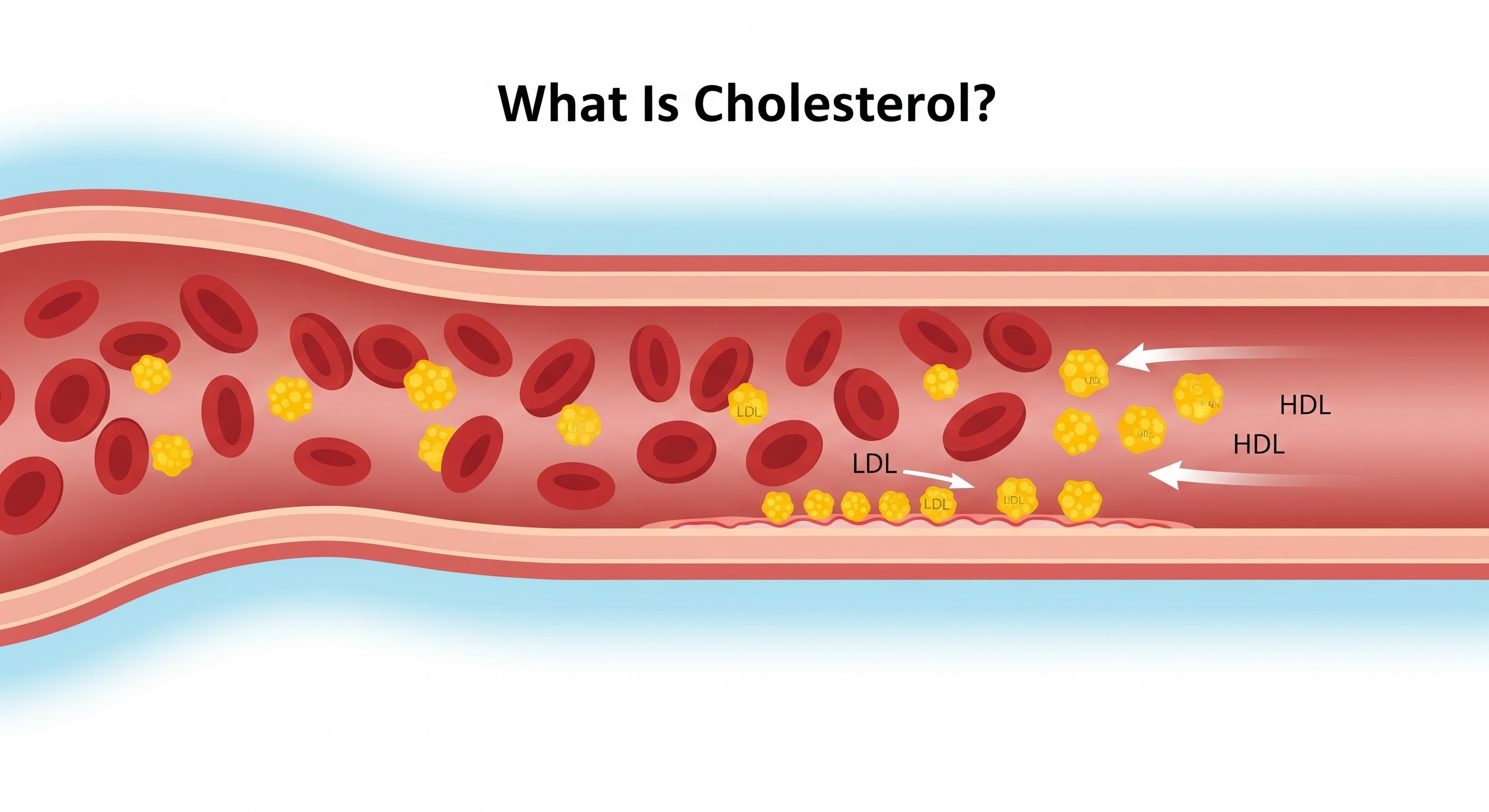
Cholesterol itself isn’t the enemy. It is essential for hormone production, cell structure, and vitamin absorption. Problems arise when balance is disturbed.
A standard lipid profile includes:
LDL cholesterol, often called “bad cholesterol,” because high levels increase plaque buildup in arteries.
HDL cholesterol, known as “good cholesterol,” helps remove excess cholesterol from the bloodstream.
Triglycerides, which reflect circulating fats from food and excess calorie intake.
Looking only at total cholesterol can be misleading. The balance between LDL, HDL, and triglycerides matters far more, especially when seasonal changes come into play.
Does Cholesterol Really Increase in Winter?
Yes, it does for many people.
Research has shown that LDL cholesterol and total cholesterol levels tend to be higher during colder months. This seasonal variation in lipid profiles has been observed across different populations and age groups.
This is one reason winter health checkups often report higher cholesterol readings compared to summer tests. In many cases, the rise is modest and temporary, but it still provides useful insight into long-term heart health.
Is Winter Cholesterol Rise Temporary or a Health Warning?
This is one of the most common questions people ask after seeing a winter blood report.
For many individuals, a winter rise in cholesterol is temporary. As activity levels increase and food habits normalise in warmer months, cholesterol levels may improve without medication.
However, winter can also expose underlying metabolic issues. If cholesterol rises sharply, continues to climb each year, or remains high even after seasonal changes, it may indicate a deeper problem rather than a temporary fluctuation.
A single report should not cause panic. At the same time, it shouldn’t be ignored. Tracking trends over time and repeating tests when appropriate gives a clearer picture than reacting to one number.
Why Cholesterol Levels Rise in Winter
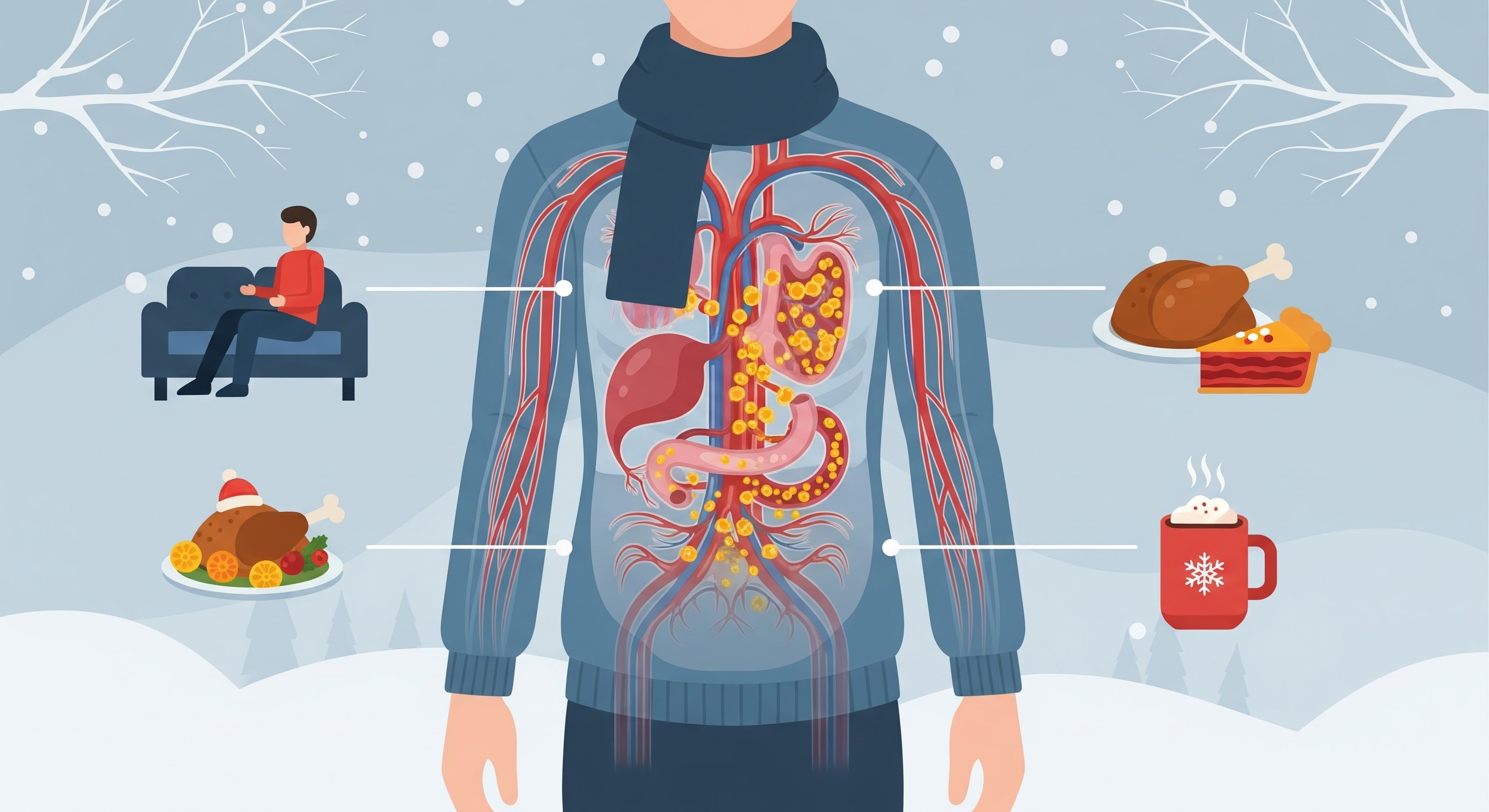
Cholesterol levels tend to rise in winter, not because of a single cause, but due to a combination of lifestyle changes and subtle physiological responses to colder weather. These changes often happen gradually, which is why many people are caught off guard when a winter blood test shows higher numbers.
Reduced Physical Activity
In winter, overall movement drops, even among people who “still exercise.”
Daily steps are reduced. Short walks are skipped. Outdoor errands turn into car rides. Time spent sitting increases.
This reduction in non-exercise activity matters more than most people realise. Cholesterol metabolism responds to total daily movement, not just gym sessions. When the body burns fewer calories throughout the day, circulating fats are used less efficiently, contributing to higher LDL cholesterol and triglycerides.
Even a small but consistent drop in daily movement over several weeks can influence lipid levels.
Heavier Winter Diet and Comfort Eating
Winter eating patterns shift almost automatically. Meals become richer. Fried snacks, festive sweets, bakery items, and late-night comfort foods become more common. Social gatherings and celebrations also increase during this period.
Higher intake of saturated fats can raise LDL cholesterol, while excess refined carbohydrates and sugars often push triglycerides up. Importantly, this can happen without obvious overeating. Portion sizes may feel normal, but calorie density and fat quality change.
This is why people are often confused when cholesterol rises despite “eating roughly the same amount.”
Small Weight Gain and Metabolic Sensitivity
Even a modest winter weight gain of one or two kilos can affect cholesterol levels. Fat tissue influences how cholesterol is produced and cleared from the bloodstream.
In some individuals, winter also brings a slight reduction in insulin sensitivity, which can worsen lipid profiles independent of visible weight gain. This explains why cholesterol may rise even when the weighing scale doesn’t show a dramatic change.
Vitamin D Deficiency and Reduced Sunlight Exposure
Shorter days and limited sun exposure often lead to low vitamin D levels in winter. While research is ongoing, vitamin D deficiency has been associated with less favourable cholesterol patterns in some studies.
The connection is indirect but relevant. Vitamin D plays a role in metabolic health, inflammation, and hormone balance, all of which influence lipid metabolism over time.
Hormonal and Physiological Responses to Cold
Cold weather triggers stress responses in the body. Hormones such as cortisol may increase slightly, signalling the body to conserve energy and store fuel.
From an evolutionary standpoint, this made sense. From a modern health perspective, it can mean a temporary shift toward higher cholesterol levels when combined with reduced activity and richer diets.
Who Is More at Risk of High Cholesterol in Winter?
Some people experience stronger seasonal effects than others.
- Adults over 40
- People with sedentary work routines
- Individuals with diabetes or insulin resistance
- Those with existing cholesterol issues
- Women experiencing hormonal changes
High cholesterol rarely causes symptoms. Many people feel completely fine, which is why routine testing becomes important when risk factors are present.
Can Cholesterol Increase Even Without Weight Gain?
Yes, and this often confuses people.
Cholesterol can rise even when body weight remains unchanged. Reduced daily movement, changes in fat intake, stress, poor sleep, and hormonal shifts can all influence lipid levels independently of weight.
Cold weather does not stop fat burning entirely, but it often reduces overall daily activity. That reduction matters more than occasional intense workouts.
How to Control Cholesterol Levels in Winter

Winter Diet Tips for Healthy Cholesterol
The goal isn’t restriction. It’s a balance.
- Ghee and butter are not inherently harmful, but portion size matters, especially if LDL cholesterol is already high.
- Eggs can be part of a winter diet for most people, but daily intake should depend on the overall lipid profile and total diet quality.
- Dry fruits are nutritious and heart-friendly in moderation, but excess quantities add significant calories and fats.
- Winter sweets mainly affect triglycerides and overall calorie load. They aren’t completely off-limits, but frequency matters.
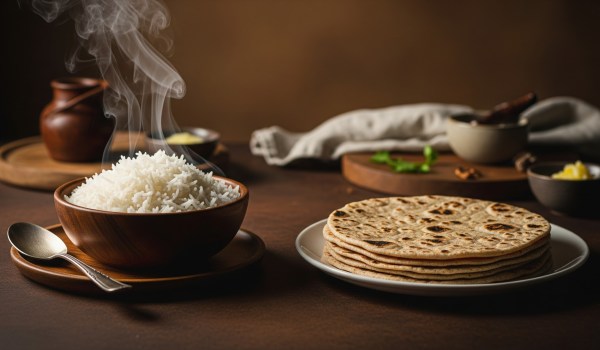
Winter eating habits play a major role in cholesterol control. During December and January, food choices often shift toward heavier meals that quietly push LDL cholesterol higher. Making small seasonal adjustments to what you eat during these months can support both heart health and immunity. Understanding what to eat in December and January helps build a winter diet that is practical, balanced, and sustainable.
Stay Active Despite the Cold
Walking remains one of the most effective ways to support cholesterol health. For many people, consistent brisk walking combined with basic strength training is enough.
Exercise does not need to be extreme. Regular movement matters more than intensity, especially during winter.
Manage Stress and Sleep
Winter often disrupts sleep patterns and increases mental fatigue. Elevated stress hormones can negatively affect lipid metabolism. Prioritising sleep and managing stress supports cholesterol control as much as diet and exercise.
Track, Don’t Guess
One blood report does not define your health. Tracking trends over time leads to better decisions than reacting emotionally to a single result.
Avoid drastic dietary changes or self-diagnosis based on one winter test.
Can Cholesterol Be Reduced Naturally in Winter?
Yes, for many people.
Improved diet quality, regular movement, better sleep, and stress control can significantly improve cholesterol levels even during winter. Changes may take a few weeks to reflect in blood tests.
Traditional fermented foods can also support cholesterol management indirectly. By improving gut health and metabolic efficiency, fermented foods may help regulate lipid levels over time. Many Indian fermented foods have been part of winter diets for generations and can be included thoughtfully as part of a natural cholesterol-control approach rooted in India’s traditional fermented foods.
Lifestyle measures work best when applied consistently, not aggressively.
Cholesterol Medications and Winter: What to Know
Some people wonder whether cholesterol medication needs adjustment during winter.
Medication should never be changed based on weather or a single lab report. Doses should not be increased, reduced, or stopped without medical guidance.
Doctors consider overall cardiovascular risk, trends over time, and individual health history before recommending any changes.
Conclusion
A rise in cholesterol during winter does not mean failure or irreversible damage. In many cases, it is a seasonal signal, not a crisis.
Winter cholesterol levels offer useful insight into how daily habits affect long-term heart health. Small, consistent changes matter far more than drastic reactions.
Awareness, balance, and consistency are more effective than fear. Understanding your nutrition intake, daily movement, and routine patterns helps you make informed adjustments that support heart health across seasons.
FAQs
- Protein in Fish per 100g: Protein Content of Common Fish Types
- What to eat in December and January to avoid seasonal illness
- India’s Growing Diabetes Challenge: How Lifestyle Changes Can Help
- Mental Health and Fitness: How Workouts Improve Your Mood
Disclaimer: This blog is for informational purposes only. The author is not a medical professional. Please consult your doctor before starting or changing any exercise plan, especially if you already have heart concerns.
 0
0












Leave a Reply