

 459 views
India has quietly become the world’s diabetes capital. And not in a good way. Today, more than 101 million Indians live with diabetes, and nearly 136 million more are at high risk – that’s almost the population of Russia walking around with elevated blood sugar, many not even aware of it yet.
But here’s the part that doesn’t make the headlines often enough: most of these cases are preventable.
Diabetes isn’t just a number on a lab report; it’s a slow-burning condition that chips away at energy, heart health, and quality of life. The good news? We now know lifestyle changes – real, everyday habits – can delay, and even prevent, most cases of type 2 diabetes.
Before we talk about what works, let’s first understand what we’re really up against.
What Is Diabetes? A Quick Explainer
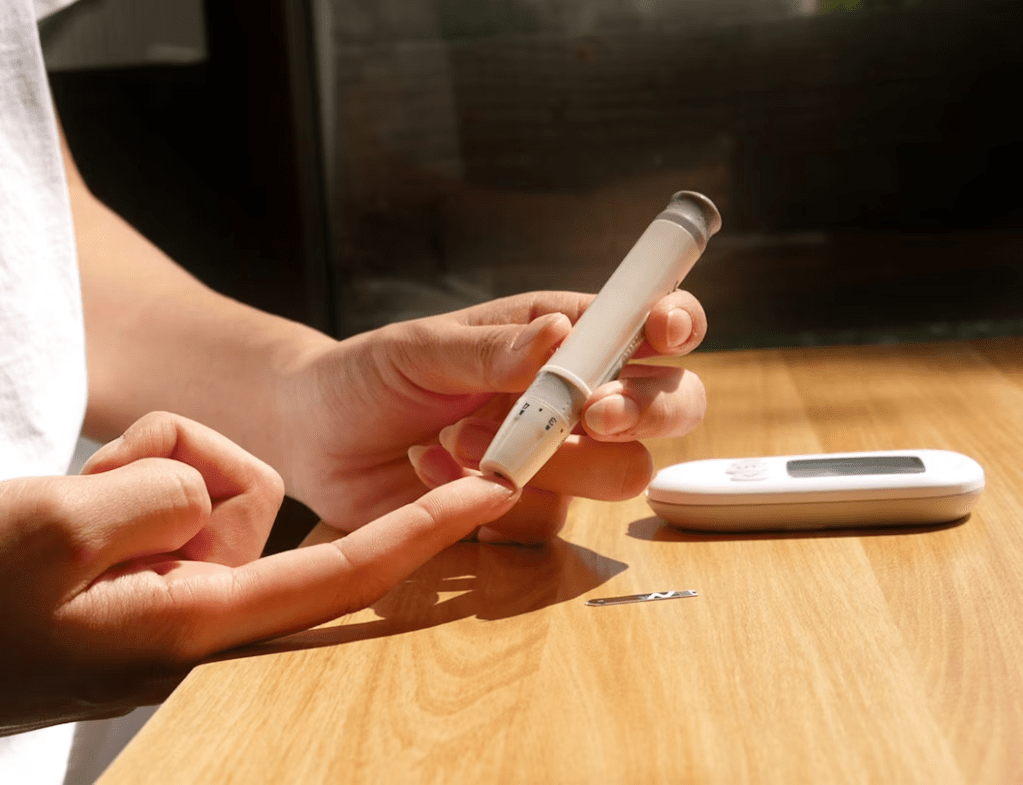
Think of your body as a city and insulin as the traffic police controlling how glucose (sugar) enters cells to provide energy. In diabetes, those “traffic signals” stop working smoothly.
- Type 1 diabetes occurs when the body’s immune system destroys insulin-producing cells. It usually starts young and needs lifelong insulin therapy.
- Type 2 diabetes, the more common one, happens when cells stop responding properly to insulin, which doctors call insulin resistance. The pancreas tries to compensate by producing more insulin, but over time, it can no longer do so.
- Prediabetes is the warning stage – blood sugar levels are higher than normal but not yet diabetic. The scary part? Many people in this zone have no symptoms at all.
Unchecked, diabetes slowly damages blood vessels and nerves – affecting the heart, kidneys, eyes, and even the brain.
But unlike type 1, type 2 diabetes is mostly lifestyle-driven. That means what we eat, how much we move, how we manage stress, and even how we sleep—all play a significant role.
The State of Diabetes in India
The numbers are staggering. The ICMR–INDIAB Study (2023) revealed that one in every ten Indians now lives with diabetes, and another one in six has prediabetes. What’s even more worrying is that it’s hitting younger adults – people in their 30s and 40s – when they’re supposed to be at their most productive.
Urban India isn’t the only hotspot anymore. Rural areas are catching up fast as lifestyles shift from active to sedentary and diets move from homemade to processed convenience foods.
Economically, the burden is heavy. The Lancet estimates India spends over $30 billion annually on diabetes-related care and productivity losses. But the emotional cost – families adjusting diets, long-term medication, complications – can’t be measured in rupees.
So yes, we’re facing a crisis. But not a hopeless one.
Why Lifestyle Changes Work
It’s easy to think of diabetes as a purely medical condition, but at its core, it’s a behavioural condition – shaped by the daily choices we make.
Global research consistently shows that lifestyle modification can reduce the risk of type 2 diabetes by up to 58% – that’s better than most medications.
Closer home, the Indian Diabetes Prevention Programme (IDPP) showed similar results: lifestyle changes like moderate weight loss and 30 minutes of daily walking reduced diabetes onset among high-risk Indians by over 28%.
The science is simple. When you:
- Eat smarter (less refined carbs, more fibre and protein)
- Move more (even brisk walking counts)
- Sleep better
- Manage stress
…you’re improving how your body handles glucose and insulin.
Small, consistent changes – not drastic diets or gym marathons – make the real difference.
The Pillars of Lifestyle Change
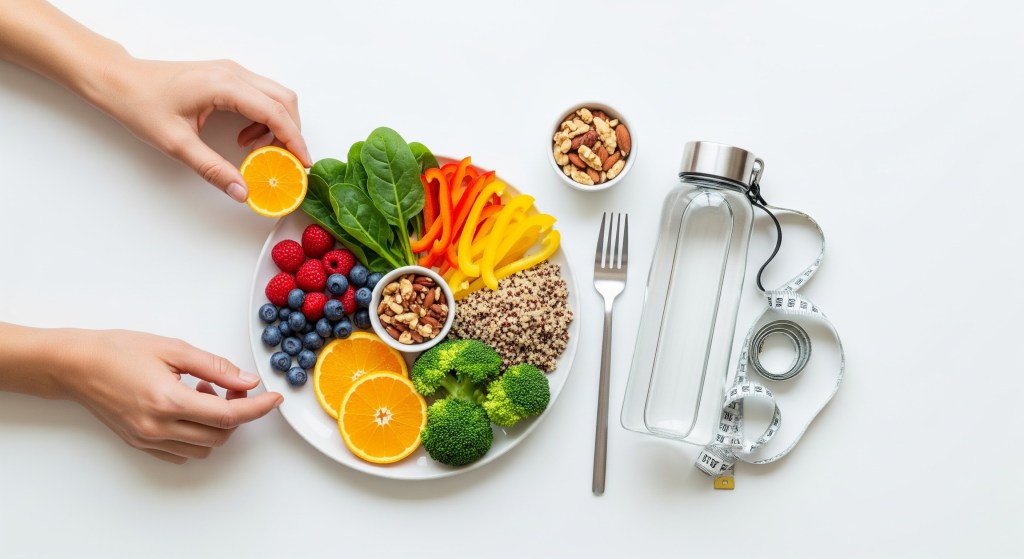
Let’s break it down into everyday steps that actually work in an Indian context.
-
Diet & Nutrition
Nutrition is the foundation. But “healthy eating” doesn’t mean giving up everything you love. It’s about balancing traditional foods with modern nutrition understanding.
Here’s what works:
- Swap refined carbs for whole grains: Replace white rice or maida-based foods with millets, brown rice, or whole-wheat chapatis.
- Add protein to every meal: Lentils, eggs, paneer, tofu, or fish slow glucose spikes and keep you full longer.
- Watch your portion sizes: A traditional Indian thali – if balanced – is already a great template: half vegetables, a quarter carbs, a quarter protein.
- Include healthy fats: Nuts, seeds, and oils like mustard or olive oil support heart health.
- Cut down on sugary drinks: Even fruit juices spike blood sugar. Choose water, chaas, or green tea instead.
And remember, the goal isn’t to eat perfectly – it’s to eat consistently better.
-
Physical Activity & Movement
Exercise is non-negotiable. But you don’t need a gym membership to start.
-
Daily movement matters most:
-
- Aim for 150 minutes of moderate cardio exercise weekly – that’s just 30 minutes, 5 days a week.
- Brisk walking, cycling, swimming, or yoga all work.
- Strength training twice a week improves insulin sensitivity.
- If you have a desk job, take movement breaks every hour.
The Lancet Public Health (2022) highlighted that even light physical activity – household chores, gardening, walking to the store – significantly lowers diabetes risk.
The point is simple: move more, sit less.
-
Weight Management
For most Indians, losing just 5–7% of body weight can make a massive difference in blood sugar control. Why? Because belly fat (visceral fat) interferes directly with how insulin works.
Think of your waist as an early warning sign: for men and women, keep waist circumference below 90 cm and 80 cm, respectively.
Crash diets won’t work in the long-term; sustainable habits will. A mix of clean eating, consistent exercise, and stress management helps keep weight and blood sugar stable.
-
Sleep, Stress & Lifestyle Factors
This one’s often ignored, but chronic stress and poor sleep can undo even the best diet and exercise plan. Stress raises cortisol – a hormone that increases blood sugar. And poor sleep affects hunger hormones, making you crave high-calorie foods.
Try having a wind-down routine before bed – dim lights, and no screentime. Breathing exercises or meditation for 10 minutes daily, and keeping a regular sleep schedule (even on weekends).
A 2021 Harvard Medical School study found that people who slept less than 6 hours a night were twice as likely to develop insulin resistance.
Culturally Adapted Interventions – Making Change Stick
Here’s where India’s strength lies – in its diverse food and lifestyle culture. Our traditional meals, when eaten mindfully, are already balanced: dal for protein, sabzi for fibre, and small portions of rice or roti for carbs.
Some culturally relevant strategies:
- Use chaas (buttermilk) as a low-calorie digestive drink.
- Include spices like turmeric, fenugreek, and cinnamon – proven to help with glucose control.
- Rely on community movement – group walks, yoga sessions, or family sports instead of solo workouts.
- Encourage family-style eating at home rather than fast-food takeaways.
The idea is not to westernise your diet but to optimise traditional habits using modern nutritional science.
When Lifestyle Isn’t Enough
Sometimes, lifestyle alone can’t do it all – especially if genetics, age, or long-standing obesity are involved. That’s when medication or medical monitoring steps in.
Screening and early detection are key:
- Get blood sugar and HbA1c tests annually after age 30.
- If you’re overweight or have a family history, start even earlier.
- Regular eye, kidney, and foot check-ups can prevent complications.
Modern diabetes management often combines medication with lifestyle coaching – because medication can control sugar, but lifestyle keeps it stable.
Policy and Public Health in India
India has started moving in the right direction. The National Programme for Prevention and Control of Cancer, Diabetes, Cardiovascular Diseases and Stroke (NPCDCS) focuses on community screening and lifestyle education.
However, implementation gaps remain – especially in rural areas. Experts emphasise local solutions:
- Making parks and walking tracks safer.
- Integrating physical education in schools.
- Partnering with food manufacturers to reduce sugar and trans fats.
Public awareness campaigns – like Fit India or Eat Right India – have also helped start conversations that matter. But change at scale needs coordination between policy, community, and personal responsibility.
Action Plan for Readers – Start Small, Start Today
It’s easy to feel overwhelmed, but prevention doesn’t mean perfection. Start with one step, and build from there.
Here’s a practical checklist:
Screening
- Check fasting glucose and HbA1c once a year.
- Know your waist and BMI numbers.
Dietary Swaps
- Replace white rice with millets once a week.
- Add one serving of vegetables to every meal.
- Cut down sugary drinks once a week.
Movement Goals
- 30 minutes of walking, 5 days a week.
- Take the stairs instead of the elevators.
- Stretch after long sitting hours.
Sleep & Stress
- Aim for 7 hours of sleep daily.
- Practice mindfulness or yoga twice a week.
Community Steps
- Join a local fitness group or app challenge.
- Involve family – lifestyle change works best when it’s shared.
Remember: diabetes prevention isn’t a sprint; it’s a lifestyle marathon.
Also checkout: Yoga for Stress Relief
Conclusion – A Message of Hope
India’s diabetes crisis looks daunting, but it’s not irreversible. Every home, every office, every individual can be part of the solution. Because the truth is, our daily habits are more powerful than we think. One mindful meal, one brisk walk, one night of good sleep – these aren’t small wins, but the foundation of better health.
If we start today – with small, sustainable changes – the next generation could inherit not just our culture and cuisine, but also our health.
FAQs
– Millets, brown rice, or whole-wheat rotis instead of white rice or maida
– Dal, paneer, eggs, tofu, or fish for protein
– Vegetables, especially leafy greens and gourds
– Healthy fats from nuts, seeds, mustard, or olive oilAvoid or limit:
– Sugary drinks and sweets
– Deep-fried snacks like samosas and pakoras
– Refined carbs such as white bread, noodles, and bakery products
– Frequent takeaways or restaurant meals high in oil and salt
- What is Ozempic? Why is Everyone in India Talking About This?
- Intermittent Fasting 101: The 16/8 Rule
- Coconut Water Benefits: What Happens When You Drink It Every Day?
- Black Coffee for Weight Loss: Does It Really Work?
 0
0










Short Drama
The article highlights crucial lifestyle factors contributing to diabetes in India. Emphasizing prevention through diet and exercise is key, but cultural habits may pose challenges.