

 310 views
Not long ago, the idea of drinking fermented tea would have sounded unusual to most people in India. Yet today, kombucha drinks line the shelves of supermarkets, feature on café menus, and even show up in the refrigerators of health-conscious households. What was once a niche product is now a growing part of mainstream wellness culture.
The popularity of kombucha and other probiotic drinks is tied to a much larger trend – the growing awareness of gut health. Scientists have long known that digestion plays a key role in overall health, but only recently has the “gut microbiome” become a mainstream wellness buzzword. Researchers describe the gut as a “second brain,” because of its influence on immunity, metabolism, and even mental health.
For Indians dealing with common digestive issues like acidity, bloating, or irregular bowel movements, the idea of a natural drink that can restore balance sounds appealing. Instead of popping quick-fix pills, more people are turning to natural probiotic solutions.
India’s wellness market reflects this change. Reports estimate that the Indian probiotics market will grow at a double-digit rate in the next five years, driven by consumer demand for preventive health solutions. Urban millennials and Gen Z, in particular, are experimenting with global health trends while also rediscovering India’s traditional fermented foods like chaas (buttermilk), curd, and pickles.
Kombucha fits neatly into this picture: trendy, plant-based, portable, and packed with claims of kombucha benefits ranging from better digestion to improved immunity. But to understand how much of this is hype and how much is real, we need to take a closer look at probiotics themselves.
What Are Probiotics?
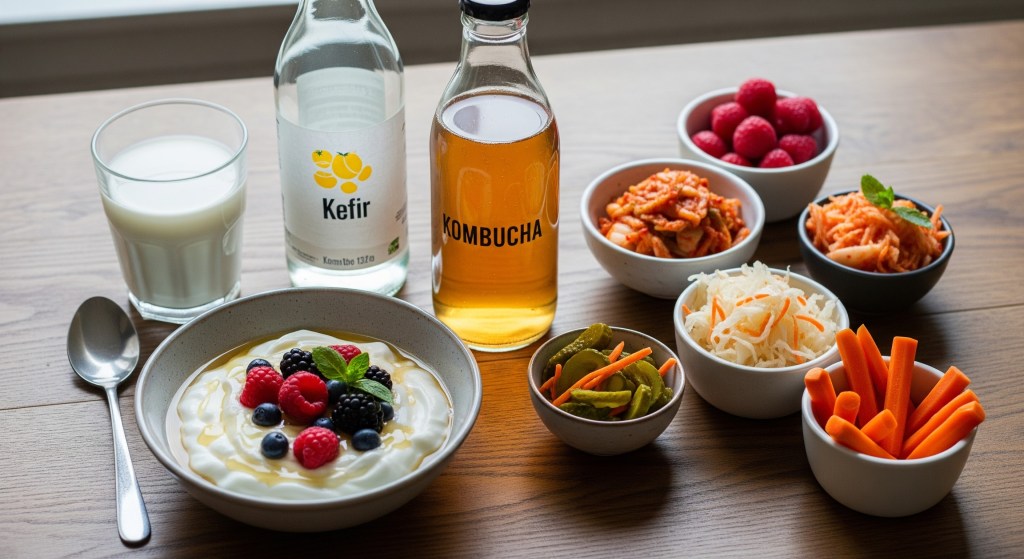
At the simplest level, probiotics are live microorganisms that provide health benefits when consumed in the right amounts. Most probiotics are bacteria, but some are yeasts. These organisms are not foreign to us – they are similar to the “good bacteria” that already live in our digestive system.
The Gut Microbiome
Your digestive tract is home to trillions of microbes, collectively called the gut microbiome. This ecosystem influences how food is broken down, how nutrients are absorbed, and how the immune system functions. A healthy microbiome is diverse, with a balance of different bacterial species.
When this balance is disrupted – a condition called dysbiosis – problems can arise. Dysbiosis has been linked to digestive issues such as irritable bowel syndrome (IBS), as well as chronic conditions like obesity, diabetes, and even depression.
What Probiotics Do
Consuming probiotics through foods or supplements helps restore this balance. They can:
- Improve digestion and regulate bowel movements.
- Compete with harmful bacteria and reduce the risk of infections.
- Enhance nutrient absorption, especially for vitamins and minerals.
- Influence immune responses, helping the body fight off illnesses.
Probiotics, Prebiotics, and Postbiotics
To get the full picture, we need to understand two related terms:
- Prebiotics: Non-digestible fibres found in foods like onions, garlic, and bananas. They act as food for probiotics, helping them grow.
- Postbiotics: Beneficial by-products produced when probiotics digest prebiotics, such as short-chain fatty acids. These compounds support gut lining integrity and reduce inflammation.
In other words, probiotics need prebiotics to thrive, and together they create postbiotics that provide lasting benefits. It’s a cycle of balance, and probiotic drinks like kombucha are one way to support it.
Kombucha 101
Origins and History
Kombucha has a long history, believed to have originated in China more than 2,000 years ago. It spread through Asia and Russia before gaining popularity in the West in the 20th century. In the past decade, it has entered the Indian market, where it appeals to health-conscious consumers looking for alternatives to sugary sodas.
The Brewing Process
Kombucha is made by adding a SCOBY (Symbiotic Culture of Bacteria and Yeast) to sweetened tea. Over 7–14 days, the microbes in the SCOBY consume the sugar and produce a tangy, lightly fizzy drink. The process also produces beneficial acids, vitamins, and probiotics.
A simplified step-by-step:
- Brew black or green tea.
- Add sugar (this feeds the microbes).
- Introducing the SCOBY.
- Let it ferment for one to two weeks.
- Bottle and flavour with fruits, herbs, or spices.
Nutritional Profile
Kombucha is low in calories compared to soft drinks, but its exact nutrition depends on how it is brewed. A typical 240ml serving may contain:
- Probiotics (various strains, depending on fermentation).
- Organic acids like acetic acid, gluconic acid, and lactic acid, which aid digestion.
- Antioxidants from tea, including polyphenols.
- B vitamins, especially B1, B2, B6, and B12.
- Trace minerals like iron and magnesium.
Safety and Considerations
Commercial kombucha is pasteurised and standardised for safety. Home-brewing, while popular, carries risks of contamination if hygiene is not maintained. Kombucha also contains a small amount of alcohol (usually less than 0.5%), which may be a consideration for some consumers.
Health Benefits of Kombucha & Probiotic Drinks
Why are kombucha health benefits such a hot topic? Because they align with what many people need: better digestion, stronger immunity, and natural energy. Let’s look at the main claims and supporting evidence.
- Improved Digestion and Nutrient Absorption
The probiotics in kombucha help repopulate the gut with beneficial bacteria, restoring balance to the microbiome. This can ease issues like constipation, diarrhoea, bloating, and acid reflux. By supporting digestive enzymes and gut lining health, kombucha may also make nutrient absorption more efficient.
- Boosted Immunity
Since a large part of the immune system is located in the gut, kombucha indirectly supports immune health. Research shows that probiotic supplementation can reduce the duration of colds and respiratory infections. While kombucha has not been studied as extensively as yogurt or supplements, its probiotic content suggests similar effects.
- Reduced Bloating and Acidity
Acidity is one of the most common complaints in India. Kombucha’s organic acids help balance stomach acidity levels and suppress harmful bacteria, reducing discomfort. Many regular consumers report feeling “lighter” after switching from soda to kombucha.
- Mental Health Support
The gut-brain connection means that what happens in the digestive system affects mood and cognition. Early research suggests that probiotics can improve symptoms of anxiety and depression. Kombucha, by supporting gut health, may play a role in better mental well-being, though more research is needed.
- Antioxidant Protection
Tea itself is rich in polyphenols, which fight free radicals. Fermentation may increase antioxidant activity, giving kombucha additional anti-inflammatory effects. This could support long-term health by reducing oxidative stress linked to chronic diseases.
- Possible Metabolic Benefits
Some animal studies suggest kombucha may help regulate blood sugar and cholesterol. While human research is limited, these findings hint at potential benefits for people managing lifestyle diseases like diabetes or high cholesterol.
Comparing Kombucha with Other Probiotic Sources
Kombucha is not the only probiotic option. Here’s how it stacks up against others.
-
Yogurt

Yogurt has been India’s go-to probiotic for centuries. It’s rich in calcium and protein, but it’s dairy-based, which may not suit vegans or the lactose-intolerant. Kombucha offers a plant-based alternative.
-
Kefir

Kefir contains even more probiotic strains than yogurt. However, it is less available in India and less familiar culturally. Kombucha fills this gap as an accessible, trendy choice.
-
Fermented Vegetables

Kimchi, sauerkraut, and other fermented veggies provide probiotics plus fibre. But they are not as widely available in Indian markets. Kombucha is easier to find and consume.
-
Traditional Indian Fermented Foods

India already has probiotic-rich foods like chaas, idli, dosa, and homemade pickles. Kombucha doesn’t replace these; instead, it adds diversity to the probiotic options available, especially for younger consumers looking for global wellness products.
Risks and Considerations
Kombucha is not for everyone. Overconsumption can cause bloating or digestive discomfort. People with compromised immune systems, pregnant women, and those sensitive to caffeine or alcohol should consult a doctor before consuming it regularly.
Home-brewing, if done without strict hygiene, can lead to contamination. Commercially produced kombucha is safer because it is regulated and tested.
How to Include Probiotic Drinks in Your Diet

Adding kombucha and other probiotic foods to your diet doesn’t have to be complicated. Here are some tips:
- Start small
If you are new to kombucha, it’s best not to go all-in with a large bottle right away. Because kombucha is both fermented and slightly acidic, it can feel intense for your digestive system if you’re not used to probiotic-rich foods. Starting with a modest serving of about 100–150ml per day allows your gut to slowly adapt to the influx of beneficial bacteria. Some people may feel a bit of bloating or extra gas in the first few days – this is usually temporary and a sign that your microbiome is adjusting. Over time, as your body gets comfortable, you can increase the portion size depending on your tolerance and preference.
- Pair with meals
Timing matters when it comes to probiotics. Drinking kombucha on an empty stomach can sometimes feel harsh because stomach acid levels are at their peak. When taken alongside meals, especially ones containing fibre or protein, the food helps buffer stomach acid. This increases the survival rate of probiotics as they travel to the intestines, where they can actually take effect. Having kombucha as a lunch or dinner companion, rather than as a stand-alone drink, makes it more effective and easier to digest.
- Rotate sources
Kombucha is great, but it shouldn’t be your only source of probiotics. Different probiotic foods contain different strains of beneficial bacteria, and your gut thrives on diversity. Yogurt or curd provides Lactobacillus, chaas (buttermilk) offers lactic acid bacteria, and fermented vegetables like kimchi or sauerkraut supply multiple strains plus dietary fibre. By rotating or combining these foods in your diet, you’re essentially building a stronger, more resilient gut microbiome. Think of it like cross-training for your digestion – variety makes it stronger.
- Choose wisely
Not all kombucha drinks are created equal. Some commercial brands, in an effort to appeal to soda lovers, add extra sugar after fermentation. This can cancel out many of the health benefits and turn kombucha into just another sweetened beverage. When buying bottled kombucha, always read the nutrition label carefully. Look for options with less than 5–6 grams of sugar per 100ml, and avoid drinks with artificial flavourings or preservatives. The best kombucha should taste slightly tart with natural fizz – a sign that fermentation has done its work.
- Experiment
One of the reasons kombucha has caught on so quickly is its versatility. Beyond drinking it straight from the bottle, you can get creative. Use kombucha as a base for refreshing mocktails by mixing it with citrus juice, fresh herbs like mint, or a splash of ginger. It can also be added to smoothies for an extra probiotic boost. Some chefs even use kombucha as a marinade base for vegetables or proteins, taking advantage of its tangy flavour. Experimenting not only keeps your taste buds excited but also makes it easier to integrate probiotic drinks into daily life without feeling like it’s a chore.
The Market for Kombucha in India
India’s kombucha market is still young but growing rapidly. Dozens of startups now produce artisanal kombucha in flavours like hibiscus, ginger-lime, and mango-chilli. The drinks are especially popular in metros like Bangalore, Mumbai, and Delhi, where consumers are willing to pay premium prices for wellness products.
Global trends also support growth. The worldwide kombucha market is projected to reach billions of dollars in the next few years, with India poised to capture a share of it.
Conclusion: Gut Health the Natural Way
Kombucha and probiotic drinks represent a shift in how people think about health. Instead of treating symptoms after they appear, more individuals are investing in prevention by nurturing their gut microbiome.
While kombucha is not a miracle cure, it offers genuine advantages as a refreshing, probiotic-rich alternative to sugary sodas. Along with yogurt, kefir, chaas, and fermented vegetables, it can play a role in a diverse, gut-friendly diet.
As awareness spreads and options expand, kombucha benefits are likely to become an everyday part of India’s wellness culture.
Read More:
- How to Maintain Normal Sugar Levels Naturally
- Coconut Water Benefits: What Happens When You Drink It Every Day?
- Beetroot: Why It’s a Must-Have for Your Heart Health
- Leaves to Powder – Everything to Know about Indian Superfood Moringa
Disclaimer: This article is meant for informational purposes and relies on authentic and trusted sources across the web and my personal opinions. I am not a certified nutritionist, dietitian, or medical professional. Please speak to a qualified health coach or medical professional before making any major lifestyle or medication decisions.
 0
0













Leave a Reply