

 128 views
Most people start exercising because they want more energy, not less. That’s why it can feel confusing when a workout leaves you completely drained.
Maybe you finish a gym session and spend the rest of the day fighting the urge to nap. Maybe your morning workout leaves you feeling sluggish at work. Or maybe you’ve noticed that instead of feeling refreshed and productive after exercise, you feel exhausted, heavy, and low on energy.
If that sounds familiar, you’re not alone.
One of the most common fitness questions people ask is: “Why do I feel tired after working out when exercise is supposed to boost energy?”
The answer is that exercise does increase energy levels over time, but in the short term, it also places stress on the body.
Every workout uses fuel, challenges muscles, increases recovery demands, and temporarily shifts resources toward repair and adaptation. Some degree of fatigue is therefore completely normal. In fact, it is often part of the process that helps you become fitter and stronger.
However, there is a difference between healthy post-workout tiredness and exhaustion that suggests something isn’t quite right.
If you’re constantly feeling wiped out after training, struggling to recover between sessions, or finding that workouts leave you feeling worse instead of better, factors such as poor nutrition, dehydration, inadequate sleep, excessive training intensity, or even underlying health issues could be playing a role.
In this guide, we’ll break down the most common reasons you feel tired after workouts, when fatigue is normal, when it may be a warning sign, and what you can do to recover better and feel more energized from your training.
Quick Answer: Why Do Workouts Make You Feel Tired?
Exercise makes you feel tired because your body uses energy, depletes glycogen stores, loses fluids through sweat, and begins recovery processes that require additional resources. Factors such as inadequate nutrition, dehydration, poor sleep, high workout intensity, and insufficient recovery can make post-workout fatigue feel much worse.
In most cases, mild tiredness after exercise is completely normal and usually improves within a few hours. However, if you feel exhausted after every workout, need unusually long recovery periods, or notice declining performance despite consistent training, it may be a sign that your recovery, nutrition, or overall health needs attention.
The simple rule: Feeling somewhat tired after a workout is normal. Feeling completely drained after every workout is not.
Is It Normal to Feel Tired After a Workout?
In most cases, yes.
Feeling tired after exercise is often a normal part of the training process. Every workout places stress on the body, and recovery requires energy. Your muscles need to repair themselves, your energy stores need to be replenished, and your body needs time to adapt to the demands you’ve placed on it.
That’s why a certain amount of post-workout fatigue is expected.
Signs of Normal Workout Fatigue
Healthy workout fatigue is usually temporary and predictable. You might notice:
- Mild tiredness for a few hours after training
- Muscle soreness a day or two later
- Increased hunger after exercise
- A desire to rest or sleep slightly more than usual
- Normal energy levels returning by the next day
Many people actually mistake normal recovery signals for a problem. Feeling tired after a challenging workout doesn’t necessarily mean you trained incorrectly. In many cases, it simply means your body is adapting.
Signs Your Fatigue May Not Be Normal
Excessive fatigue tends to look different.
Potential warning signs include:
- Feeling exhausted after every workout
- Fatigue lasting several days
- Constant muscle soreness
- Declining performance despite regular training
- Difficulty recovering between sessions
- Needing excessive caffeine to function
- Feeling physically or mentally drained by easy workouts
When fatigue consistently interferes with daily life, work performance, or future workouts, it’s worth investigating further.
Can Exercise Make You More Tired Before It Makes You More Energetic?
Surprisingly, yes.
When people begin a new exercise routine, increase training volume, or return to exercise after a long break, fatigue often increases temporarily before energy levels improve.
Think of it as a short-term investment.
Your body is learning new movement patterns, building fitness, and adapting to a greater workload. During this adjustment phase, recovery demands may temporarily outpace your body’s ability to keep up.
For most people, energy levels improve once training, nutrition, sleep, and recovery become more consistent.
A useful rule of thumb is this:
Exercise should challenge your body. It should not leave you feeling constantly depleted.
If you’re regularly feeling worse instead of better, there’s usually an underlying reason worth addressing.
8 Reasons You Feel Tired After Workouts
In most cases, post-workout fatigue isn’t caused by a single problem. It’s often the result of several small factors working together.
Here are the most common reasons.
1. You’re Not Eating Enough Before Training
Many people try to exercise on as little food as possible.
Some train first thing in the morning without eating. Others intentionally avoid carbohydrates because they’re trying to lose weight. Some simply don’t realize how much fuel their workouts actually require.
The problem is that your body still needs energy to perform.
When you begin a workout with low energy availability, your body has less fuel to draw from. As a result, workouts often feel harder than they should, performance drops, and fatigue becomes more noticeable afterward.
Common signs of under-fueling include:
- Feeling weak midway through workouts
- Struggling to complete sessions
- Feeling shaky or lightheaded
- Crashing after exercise
- Constant hunger later in the day
For most people, a small pre-workout meal or snack containing carbohydrates and protein can significantly improve energy levels.
2. Your Recovery Nutrition Is Falling Short
Finishing a workout is only half the process.
What happens afterward plays a major role in how you feel over the next several hours and days.
After exercise, your body needs nutrients to:
- Repair muscle tissue
- Replenish glycogen stores
- Support recovery processes
- Prepare for future workouts
When recovery nutrition is inadequate, fatigue often lingers longer than necessary.
3. You’re Dehydrated Without Realizing It
Most people associate dehydration with extreme thirst. In reality, fatigue often appears long before severe thirst does.
Even relatively small fluid losses can affect energy levels, concentration, exercise performance, and recovery quality.
This becomes especially relevant if you:
- Exercise outdoors
- Sweat heavily
- Live in a hot climate
- Perform long workouts
- Consume large amounts of caffeine
If your energy consistently crashes after training, hydration is one of the first things worth evaluating.
4. You’re Not Getting Enough Sleep
Poor sleep and post-workout fatigue often create a frustrating cycle. You feel tired because you’re not sleeping enough.
Workouts feel harder because you’re tired. Recovery becomes less effective because you’re sleeping poorly. Then fatigue becomes even more noticeable.
Sleep influences nearly every aspect of recovery, including muscle repair, energy regulation, performance, and hormone function.
That’s why someone sleeping five hours per night may feel exhausted after a workout that another person recovers from easily.
Before blaming your training program, it’s worth looking honestly at your sleep habits.
5. Every Workout Has Become a Competition
There’s a common belief in fitness that if a workout doesn’t leave you exhausted, it isn’t effective. Progress comes from applying enough training stress to stimulate adaptation, then allowing recovery to occur.
When every session becomes an all-out effort, fatigue accumulates faster than fitness.
This is particularly common among motivated beginners who believe harder automatically means better.
The best training programs include variation.
6. You’re Carrying More Stress Than You Think
Your body doesn’t separate workout stress from life stress.
Long work hours. Financial pressure. Poor sleep. Relationship challenges. Constant mental demands.
Your body experiences all of these as additional stressors.
This means a workout that felt manageable during a relaxed period of life may suddenly feel exhausting during a particularly stressful month.
Sometimes the issue isn’t that your workouts become harder. It’s that your recovery capacity becomes smaller.
7. A Nutrient Deficiency May Be Contributing
If fatigue feels excessive relative to your training, nutrition deserves a closer look.
Several nutrient deficiencies are associated with low energy levels and reduced exercise tolerance.
The most common include:
- Iron deficiency
- Vitamin D deficiency
- Vitamin B12 deficiency
- Magnesium deficiency
This is particularly relevant for people following restrictive diets, vegetarians, individuals with low calorie intake, and those who rarely spend time outdoors.
If fatigue persists despite improving recovery habits, discussing blood work with a healthcare professional may be worthwhile.
8. An Underlying Health Condition Could Be Involved
Sometimes fatigue isn’t primarily a fitness problem.
Conditions such as anemia, thyroid disorders, low blood pressure, and other medical issues can contribute to persistent tiredness during and after exercise.
This becomes more likely when fatigue is accompanied by symptoms such as:
- Dizziness
- Unexplained weakness
- Shortness of breath
- Difficulty performing everyday activities
- Ongoing exhaustion despite adequate rest
While most workout-related fatigue can be explained by training and recovery habits, persistent or unexplained symptoms should never be ignored.
If something feels unusually difficult for an extended period of time, professional medical advice is appropriate.
The Bigger Picture
Most people assume they need a better workout when they’re constantly tired.
Nutrition, hydration, sleep, stress, and recovery habits usually have a far greater influence on post-workout energy levels than the workout itself.
That’s why the next step isn’t simply training harder.
It’s identifying which of these factors is limiting your recovery and addressing it directly.
Why Am I Tired After Every Workout?
When fatigue becomes a recurring pattern rather than an occasional experience, it usually suggests that recovery demands are consistently exceeding recovery capacity.
One of the biggest mistakes people make is evaluating workouts individually.
Instead, look at patterns. Ask yourself:
- Have I been sleeping well recently?
- Am I eating enough to support my activity level?
- Has work or life stress increased?
- Have I increased training volume recently?
- Do I feel tired only after workouts, or throughout the day?
The answers often reveal more than the workout itself.
A Quick Self-Check
Fatigue may require attention if:
- It happens after nearly every session
- Recovery feels slower than before
- Performance is declining
- Motivation to train is dropping
- Daily activities are becoming more tiring
The goal of training is adaptation. If your body never seems to recover, adaptation becomes much harder to achieve.
How to Stop Feeling Exhausted After Workouts
The solution to post-workout fatigue isn’t always doing less. More often, it’s doing the fundamentals better.
1. Fuel Your Workouts Properly
Many people focus heavily on what they eat after training and ignore what happens beforehand. Going into a workout under-fueled often leads to poor performance and greater fatigue afterward.
Aim to include some combination of carbohydrates and protein before training.
Examples include:
- Banana and peanut butter
- Oats with milk
- Yogurt and fruit
- Toast with eggs
After training, prioritize a balanced meal that includes protein, carbohydrates, and fluids.
Perfection isn’t necessary. Consistency matters more.
2. Take Hydration Seriously
Hydration starts long before your workout begins. Rather than trying to “catch up” afterward, focus on maintaining good hydration throughout the day.
Pay attention to:
- Urine colour
- Thirst levels
- Sweat losses
- Training environment
If you’re exercising in hot conditions or sweating heavily, replacing electrolytes may also be beneficial.
3. Protect Your Sleep
Few recovery tools are as powerful as sleep.
Aim for:
- 7–9 hours per night
- Consistent sleep and wake times
- Reduced screen exposure before bed
- A cool, dark sleeping environment
Improving sleep often produces noticeable improvements in workout recovery within days.
4. Stop Treating Every Workout Like a Test
Many people unknowingly create fatigue by constantly chasing exhaustion.
A workout doesn’t need to leave you crawling out of the gym to be effective.
In fact, consistently training at maximum effort often slows progress.
Good programs include a mix of:
- Hard sessions
- Moderate sessions
- Recovery-focused sessions
The goal is sustainable progress, not daily survival.
5. Build Recovery Into Your Plan
Recovery isn’t what happens when training stops. Recovery is part of training.
This includes:
- Rest days
- Walking
- Mobility work
- Stress management
- Adequate calorie intake
The strongest athletes in the world take recovery seriously because they understand that adaptation happens between workouts, not during them.
6. Listen to What Your Body Is Telling You
Fatigue isn’t always an obstacle. Sometimes it’s feedback.
Learning to distinguish between productive fatigue and excessive fatigue is one of the most valuable skills any exerciser can develop.
Ignoring recovery signals rarely makes them disappear.
Responding to them early often prevents bigger problems later.
Best Foods to Prevent Post-Workout Fatigue
Nutrition doesn’t need to be complicated.
Most people recover well when they consistently consume enough protein, carbohydrates, fluids, and overall calories.
| Goal | Good Options |
| Pre-workout fuel | Banana, oats, fruit and yogurt, toast and eggs |
| Post-workout recovery | Eggs and toast, whey and fruit, chicken and rice |
| Vegetarian recovery | Paneer bhurji and roti, dal-rice, curd with poha |
| Hydration support | Coconut water, fruit, water, electrolyte drinks |
Simple Indian Meal Ideas for Recovery
If you’re looking for practical options rather than fitness-industry perfection, these meals work well:
- Dal-rice with vegetables
- Paneer roti wrap
- Idli and sambar
- Chana chaat
- Egg bhurji and toast
- Curd rice
- Poha with curd
- Rajma-chawal
The best recovery meal is usually the one you can prepare consistently and enjoy regularly.
When Should You See a Doctor?
Most post-workout fatigue is linked to training and recovery habits.
However, some situations deserve medical attention.
Consider speaking with a healthcare professional if:
- Fatigue persists for several weeks
- Recovery seems unusually poor
- You experience dizziness regularly
- You feel short of breath during normal activities
- Exercise tolerance suddenly declines
- You experience chest discomfort
- Daily life feels increasingly difficult despite adequate rest
It’s always better to investigate persistent symptoms than assume they’ll resolve on their own.
Conclusion
Feeling tired after a workout isn’t automatically a bad sign.
In many cases, it’s simply evidence that your body is responding to training, using energy, and beginning the recovery process that eventually leads to improved fitness.
The bigger concern isn’t occasional fatigue. It’s persistent exhaustion that never seems to improve.
Fortunately, most cases of post-workout fatigue can be traced back to a handful of factors: inadequate fueling, poor hydration, insufficient sleep, excessive training intensity, unmanaged stress, or inadequate recovery.
When you start paying attention to patterns rather than isolated workouts, it becomes much easier to understand what your body actually needs.
And that’s where structure becomes valuable.
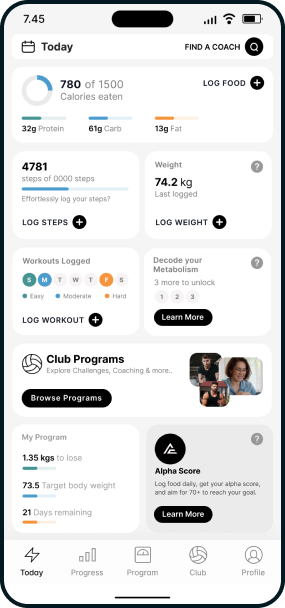
Tracking your nutrition, activity levels, recovery habits, and overall consistency can help reveal patterns that are easy to miss when you’re relying on memory alone. The Alpha Coach app can help simplify that process, giving you a clearer picture of the habits that support better energy, recovery, and long-term fitness progress.
Frequently Asked Questions
Why do I feel extremely tired after working out?
The most common causes include inadequate nutrition, dehydration, poor sleep, excessive workout intensity, and insufficient recovery between sessions.
Why do I feel sleepy after exercise?
Exercise increases recovery demands and can temporarily shift the body toward rest and repair. This is particularly common after intense workouts.
Is it normal to nap after a workout?
Yes. Short naps can support recovery, especially after demanding training sessions or periods of inadequate sleep.
Why am I tired the day after a workout?
Muscle repair, glycogen replenishment, inflammation, and recovery processes continue long after the workout ends, which can contribute to next-day fatigue.
Can dehydration make you tired after exercise?
Absolutely. Even mild dehydration can negatively affect energy levels, concentration, performance, and recovery.
What should I eat if I feel weak after a workout?
A combination of carbohydrates and protein is usually ideal. Examples include eggs and toast, whey with fruit, paneer and roti, or dal-rice.
Can overtraining make you constantly tired?
Yes. Persistent fatigue is one of the hallmark signs of excessive training combined with inadequate recovery.
Why does exercise make me tired instead of energized?
Exercise creates short-term stress before producing long-term adaptations. If recovery, nutrition, hydration, or sleep are inadequate, fatigue may temporarily outweigh the energizing effects.
 0
0






Leave a Reply