
 429 views
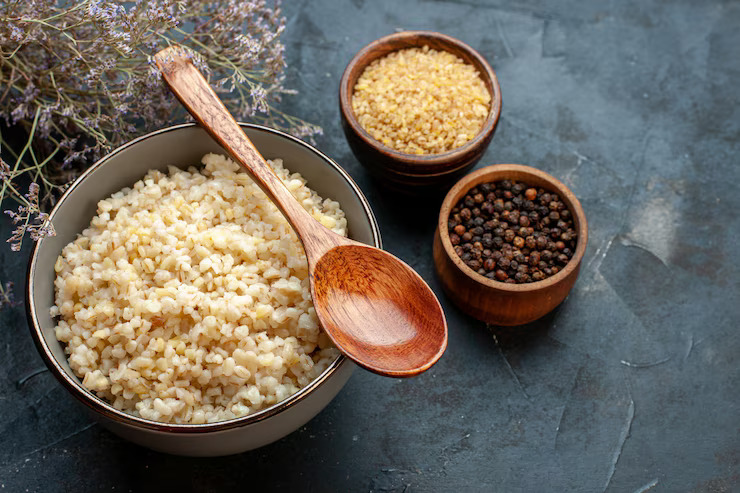
Quinoa (keen-wah) is now the buzzword in health communities, and for good reasons. While it resembles and cooks like a grain, technically quinoa is a seed from the flowering plant Chenopodium quinoa, originally cultivated in South America’s Andes Mountains.
Now, it is becoming popular in India as a nutrient-dense, gluten-free superfood, and an intelligent substitute for rice or wheat.
But what sets quinoa apart? Let’s take a closer look.
A Seed Packed with Power
Quinoa is naturally gluten-free and high in essential nutrients like protein, fibre, and antioxidants. This makes it especially appealing to those with gluten intolerance, vegetarians, or anyone looking to add more balanced nutrition to their meals. Quinoa seeds benefits include a rare combination of plant-based protein, fibre, and micronutrients.
Types of Quinoa
There are three types commonly found:
- White Quinoa: The most popularly used, with soft texture and mild flavour.
- Red Quinoa: Nuttier flavor and retains shape well and is ideal for salads.
- Black Quinoa: Crunchier and earthier, with the highest level of antioxidants.
Being in greater demand, quinoa is now cultivated in some areas of India as well, particularly in Andhra Pradesh and Uttarakhand making it easier than ever to obtain.
Nutritional Value of Quinoa
Before we dive into the numbers, let’s see why quinoa nutrition is so much revered. Whether comparing it to rice, wheat, or millets, quinoa is special because it provides top-notch plant protein, essential minerals, and fibre – all in one gluten-free package. This section will help you visualize exactly what you’re getting in each serving.
Nutrition Breakdown (100g Cooked Quinoa)
| Nutrient | Value |
| Calories | 120 kcal |
| Carbohydrates | 21.3 g |
| Quinoa Protein per 100g | 4.1 g |
| Fiber | 2.8 g |
| Fat | 1.9 g |
| Iron | 1.5 mg |
| Magnesium | 64 mg |
| Folate (B9) | 42 µg |
| Vitamin B1 (Thiamine) | 0.11 mg |
| Antioxidants | Present in high levels |
Top Health Benefits of Quinoa

Want a quick fix for eating cleaner without sacrificing flavour or fullness? Quinoa’s more than a fad, it’s a nutritional powerhouse. Here’s why it should find a home in your pantry:
1. Complete Protein Source
Differing from most plant-based foods, quinoa is rich in all nine of the essential amino acids. This makes it an unusual, complete protein which is perfect for vegetarians, vegans, and anyone cutting back on meat.
2. High Fibre
Increased fibre equals improved digestion, enhanced heart health, and longer-lasting satisfaction. Quinoa provides more fibre than most grains, keeping you full between meals.
3. Antioxidant-Rich
Quinoa is packed with antioxidants that prevent inflammation, guard your cells, and keep your skin healthy.
4. Naturally Gluten-Free
For those who are gluten-sensitive or have celiac disease, quinoa is a safe and healthy option that is easy to digest and goes well with most any meal.
5. Aids in Weight Management
Due to its protein-fibre combination, quinoa suppresses hunger and cuts down on unnecessary snacking, becoming a wise addition to diets aimed at fat loss.
Is Quinoa Healthier Than Other Grains?
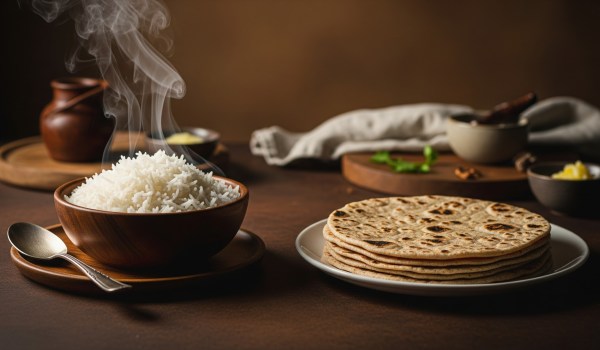
We all adore our staples: rice, roti, millets, but in the health stakes, quinoa stands on par and even beats the others. Here’s a quick rundown to enable you to make better food exchanges:
Let’s compare quinoa with some of the most well-known Indian staples:
| Grain | Protein | Fiber | GI Index | Nutrition Density |
| Quinoa | High | High | Low (53) | Excellent |
| White Rice | Low | Low | High (72) | Poor |
| Wheat | Moderate | Moderate | Medium | Good |
| Millets | Moderate | High | Low | Excellent |
Quinoa shines with its low glycaemic index and superior amino acid profile. While millets are excellent too, quinoa’s complete protein status makes it unique. Quinoa benefits for female health also stand out. It supports hormonal balance, energy levels, and overall wellness due to its nutrient density.
How to Cook Quinoa
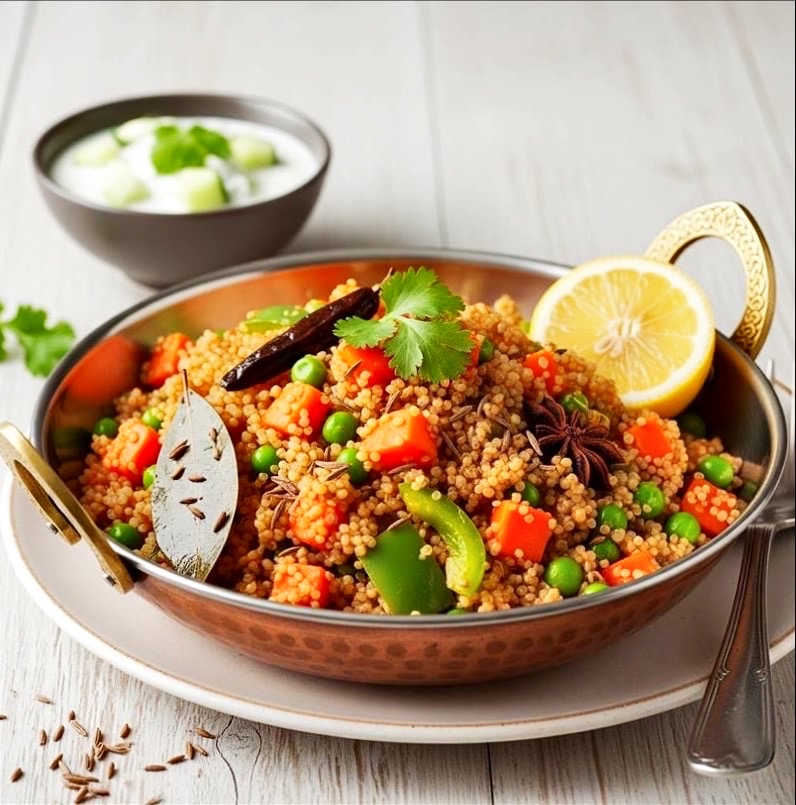
You don’t need to give up your favorite dishes as quinoa adapts well to Indian spices and can happily substitute rice, sooji, or even maida in daily recipes.
Use these tasty options:
- Grilled Chicken Quinoa Bowl
- Lemon Herb Salmon with Quinoa and Spinach
- Quinoa Chickpea Avocado Salad
- Spiced Quinoa Stuffed Bell Peppers
- Quinoa and Black Bean Salad
- Flaxseed Quinoa Salad
- Replace it for rice in your daily dal-chawal staple
Is Quinoa for Everyone?
Quinoa is a safe and healthy food for most people. Yet, here’s how it fits various needs:
- For Children: Easy to chew, lightly flavored, and nutrient-rich, making it perfect for lunchboxes or snacks.
- For Pregnant Women: High in iron, magnesium, and folate which are essential nutrients during pregnancy.
- For Diabetics: Its glycaemic index is low, making it a healthier blood sugar choice than white rice.
- For Gluten-Free Diets: Gluten-free naturally and safe for celiac or gluten intolerance.
Possible Side Effects: Mild bloating can result if quinoa isn’t properly rinsed. Rinsing well before cooking normally remedies this.
Conclusion
Quinoa is not only a fad, it’s an eternal food. With its complete protein value, high nutrition, and convenience in Indian cooking, it’s a wise addition to your daily fare. Whether preparing a spicy khichdi, adding to a salad, or preparing lunchboxes for healthy eating, quinoa scores on health, flavor, and ease.
Try it, your body will thank you.
Frequently Asked Questions
- Quinoa Chickpea and Avocado Salad
- Flaxsalad Quinoa Salad
- Chicken & Quinoa Bowl Recipe
- Quinoa Stuffed Bell Peppers
- Cinnamon-Quinoa Breakfast Bowl Recipe
Disclaimer: The information provided in this blog is for informational purposes only. It is curated from authentic and trusted sources across the web, along with my own subject knowledge. I am not a certified nutritionist, dietitian, or medical professional. Therefore, I recommend consulting a qualified health coach or medical expert before making any significant changes to your diet or lifestyle.
 0
0








Leave a Reply