

 17 views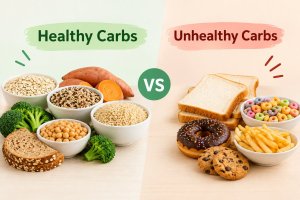
If you are searching for a carbs food list, you’re in the right place.
Carbohydrates have had a rough few years.
Bread gets blamed for weight gain. Rice is the first thing people cut when they start dieting. Bananas are dismissed as “too sugary”. And if someone wants to lose fat, the advice they often hear is simple: stop eating carbs.
The problem is that carbohydrates are not one single type of food. A bowl of oats, an apple and a can of cola all contain carbs, but they affect nutrition, fullness and health very differently. What matters is where your carbs come from, how much you eat and what the rest of your diet looks like.
So instead of asking “Are carbs bad?”, ask: which carbs should I eat more often? This carbs food list breaks down the top healthy carbohydrate foods, the carb-heavy foods worth limiting, how many carbs you may need and how to choose better ones without giving up rice, bread or fruit.
Quick Answer: Best and Worst Carbohydrate Foods
Foods that contain carbohydrates include grains (rice, wheat, oats), fruits, starchy vegetables (potato, sweet potato, corn), pulses (chickpeas, rajma, lentils), milk and yogurt, and sugary foods.
- Healthiest carbs food choices: oats, brown rice, sweet potato, quinoa, whole wheat bread, bananas, apples, chickpeas, rajma and corn.
- Carbohydrate foods to limit: sugary soft drinks, white bread, candy, pastries, cookies, sweetened cereals, potato chips, French fries, ice cream and packaged fruit juice.
- How many carbs? Most adults fall in the 45-65% of daily calories range, roughly 225-325 g on a 2,000-calorie diet.
Foods That Contain Carbohydrates
Carbohydrates occur naturally in a wide range of foods:
- Grains: rice, wheat (roti, bread, pasta), oats, corn, millets
- Fruits: bananas, apples, mangoes, grapes, oranges
- Starchy vegetables: potatoes, sweet potatoes, corn
- Pulses and legumes: chickpeas, rajma, lentils, dal, beans
- Dairy: milk and yogurt (they contain lactose)
- Sugar and sweets: sugar, honey, mithai, desserts, soft drinks
That doesn’t make these foods nutritionally equivalent. Whole grains, fruits, beans, pulses and starchy vegetables provide carbs alongside fibre, vitamins and minerals. Highly refined foods and drinks can provide large amounts of fast-digesting carbohydrate with very little else.
High Carbohydrate Foods: Carbs Per 100g
If you’re looking for high carbohydrate foods, the numbers below are per 100g of the raw or dry food. Dry foods look very high because cooking adds water, which dilutes carbs per 100g. (This is the same dry-vs-cooked effect I explain in protein in moong dal.)
| Food (per 100g) | Approx. carbs |
| Sugar | 100 g |
| Cornflakes | 84 g |
| White rice (raw) | 80 g |
| Pasta (dry) | 75 g |
| Wheat flour/atta | 70 g |
| Oats (dry) | 66 g |
| Chickpeas (dry) | 61 g |
| Lentils (dry) | 60 g |
| Bread | 45-50 g |
| Banana | 23 g |
| Potato (raw) | 17 g |
Besan is also carb-heavy: besan carbs run roughly 3x its protein. Values are approximate and vary by brand and variety.
What Are Carbohydrates?
Carbohydrates are one of the three main macronutrients, alongside protein and fat. Much of the digestible carbohydrate you eat is broken down into glucose, which your cells use for energy.
What do carbohydrates do in the body?
- Provide energy for everyday activity.
- Fuel the brain and muscles. Glucose is an important brain fuel, and glycogen (stored carbohydrate) matters to working muscles during moderate and high-intensity exercise.
- Support digestion. Fibre supports bowel health and fullness.
- Support performance. Athletes need considerably more carbohydrate than sedentary people because glycogen is used repeatedly in training.
Types of carbohydrates
Sugars (simple carbs). Glucose, fructose and sucrose occur naturally in fruit and milk, but are also added to sweets, soft drinks and processed foods. “Sugar” alone doesn’t tell you if a food is healthy. An orange has natural sugars, plus fibre, vitamin C and water.
Starches (complex carbs). Found in rice, oats, wheat, potatoes, corn, lentils and beans. “Complex” doesn’t automatically mean healthy: white bread is mostly starch but has far less fibre than intact whole grains.
Dietary fibre. Carbohydrate that isn’t fully digested in the small intestine. Whole grains, fruits, vegetables, beans, lentils, nuts and seeds are common sources. Fibre is one of the most useful clues when comparing carbohydrate foods.
Healthy Carbs vs Unhealthy Carbs
Calling foods simply “good” or “bad” can be misleading. A better distinction is between minimally processed, nutrient-dense carbohydrate foods and foods dominated by refined starch, added sugar or heavy processing.
| Healthy carbohydrate choices | Carbohydrate foods to limit |
| Whole grains | Refined white bread |
| Brown rice | Large portions of highly refined grains |
| Oats | Sugary breakfast cereals |
| Whole fruits | Candy |
| Sweet potatoes | French fries |
| Beans and lentils | Pastries |
| Quinoa | Sugar-sweetened soft drinks |
Healthy carbohydrate foods generally provide more fibre, vitamins, minerals and plant compounds. Refined grains lose much of the bran and germ in processing, which reduces fibre and some naturally occurring nutrients.
What about the glycemic index?
The glycemic index (GI) measures how quickly a carbohydrate food raises blood glucose compared with a reference food.
| Factor | Higher-quality carbs | More refined carbs |
| Fibre | Usually higher | Often lower |
| Nutrient density | Usually higher | Often lower |
| Processing | Less processed | More processed |
| Blood sugar response | Often slower | Often faster |
| Glycemic index | Frequently low to moderate | Frequently moderate to high |
But GI isn’t a perfect ranking system. Ripeness, processing, cooking method, fibre, meal composition, and the physical form of a food all change the response. Don’t choose food on GI alone.
Top 10 Healthy Carbs Foods: Foods Rich in Carbohydrates
These are foods rich in carbohydrates that also bring fibre and nutrients.
- Oats
Serving: 40 g dry | Carbs: ~26 g | Fibre: ~4 g | Calories: ~150
Oats are an easy source of whole-grain carbohydrate and soluble fibre. Their beta-glucan fibre contributes to fullness, which is one reason they make such a useful everyday breakfast. Try them with milk, yogurt, fruit, nuts or seeds rather than lots of added sugar. See protein in oats per 100g for the full nutrition breakdown.
Good for: almost anyone wanting a filling, convenient breakfast.
- Brown Rice
Serving: 1 cooked cup | Carbs: ~45 g | Fibre: ~3-4 g | Calories: ~215
Brown rice keeps the bran and germ that are removed to make white rice, so it has more fibre and micronutrients. That doesn’t make white rice “bad”. Brown rice simply gives more fibre per serving.
Good for: everyday meals, active people and anyone trying to eat more whole grains.
- Sweet Potato
Serving: 100 g cooked | Carbs: ~20 g | Fibre: ~3 g | Calories: ~85-90
Sweet potatoes provide carbohydrate with beta-carotene, potassium and fibre. Bake, roast or boil them rather than deep-frying.
Good for: weight management, active lifestyles and a nutrient-dense source of starch.
- Quinoa
Serving: 1 cooked cup | Carbs: ~39 g | Fibre: ~5 g | Calories: ~220
Quinoa provides carbohydrate, fibre, minerals and a useful amount of protein. It isn’t magically healthier than every traditional grain. If it doesn’t suit your budget or taste, you don’t need it.
Good for: variety in place of rice or other grains.
- Whole Wheat Bread
Serving: 2 slices | Carbs: ~22-28 g | Fibre: ~3-5 g | Calories: ~140-180
The important word is whole. Check the ingredient list rather than trusting brown colouring. A bread listing whole wheat or whole grain as its main flour generally gives more fibre than white bread.
Good for: quick breakfasts, sandwiches and pre-workout meals.
- Bananas
Serving: 1 medium | Carbs: ~27 g | Fibre: ~3 g | Calories: ~105
Bananas contain natural sugars, but also potassium, vitamin B6, and fibre. They’re easy to digest, which makes them convenient before exercise.
Good for: active people, athletes and a portable snack.
- Apples
Serving: 1 medium | Carbs: ~25 g | Fibre: ~4 g | Calories: ~95
An apple gives carbohydrate with fibre, water and micronutrients. Eating the whole fruit is very different from drinking apple juice, because the intact fruit keeps far more fibre and is generally more filling.
Good for: everyday snacking and weight management.
- Chickpeas
Serving: 1 cooked cup | Carbs: ~45 g | Fibre: ~12 g | Calories: ~270
Chickpeas show why “carbohydrate food” doesn’t mean “just carbs”. They also provide plant protein, fibre, folate and iron. Use them in chana masala, salads, hummus or chaat.
Good for: vegetarians, people wanting more fibre and filling meals.
- Kidney Beans (Rajma)
Serving: 1 cooked cup | Carbs: ~40 g | Fibre: ~11-13 g | Calories: ~220-230
Rajma provides carbohydrate, protein and plenty of fibre. Pairing it with rice gives a satisfying legume-and-grain combination. The problem isn’t rajma rice. It’s a plate with a mountain of rice and barely any rajma.
Good for: vegetarian diets, high-fibre meals and active people.
- Corn
Serving: 1 cooked cup | Carbs: ~30-31 g | Fibre: ~3-4 g | Calories: ~140
Corn is sometimes treated as a “bad” vegetable because it has more carbohydrate than leafy greens. That’s unnecessary. It provides fibre, B vitamins and carotenoids and fits comfortably into a balanced diet.
Good for: most healthy adults as part of a varied diet.
Top 10 Unhealthy Carbohydrate Foods to Limit
None of these needs to be permanently banned. The issue is frequent consumption, large portions, and the fact that they can displace foods with far more nutrition.
- Sugary soft drinks. A large amount of added sugar with no meaningful fibre or satiety. Better option: water, soda water or zero-sugar drinks when appropriate.
- White bread. Made from refined flour, with less fibre than whole-grain bread. It isn’t poison, just nutritionally weaker. Better option: whole wheat or whole-grain bread.
- Candy. Mostly added sugar with little fibre or micronutrients. Better option: fruit, yogurt or a small portion of dark chocolate.
- Cakes and pastries. Refined flour, added sugar and a lot of fat, which makes them easy to overeat. Better option: keep them as occasional foods.
- Cookies. Lots of calories in a small serving with little fibre or protein. Better option: fruit, nuts, roasted chana or yogurt.
- Sweetened breakfast cereals. Many combine refined grain and added sugar. Don’t trust words like “fitness”, “multigrain” or “natural” on the front of the pack. Better option: oats or a higher-fibre, lower-sugar cereal.
- Potato chips. Potatoes themselves can be nutritious. Deep-frying, adding fat and salt and making them easy to snack on changes the picture. Better option: boiled or roasted potatoes.
- French fries. Again, the potato isn’t the main problem. Preparation is. Better option: baked, air-fried or roasted potatoes with limited fat.
- Ice cream. Added sugar plus substantial fat. Enjoying it occasionally is different from making it an everyday carb source. Better option: Greek yogurt with fruit.
- Packaged fruit juices. Removing the fruit’s structure and fibre makes sugar easier to consume quickly. Current diabetes guidance favours whole fruit and limiting juices and sugar-sweetened drinks. Better option: eat the whole fruit.
Carb Rich Foods Chart List
This chart lists carb-rich foods by typical serving size.
| Food | Serving size | Carbs | Fibre | Calories |
| Oats | 40 g dry | ~26 g | ~4 g | ~150 |
| Brown rice | 1 cup cooked | ~45 g | ~3-4 g | ~215 |
| Sweet potato | 100 g | ~20 g | ~3 g | ~86 |
| Quinoa | 1 cup cooked | ~39 g | ~5 g | ~220 |
| Banana | 1 medium | ~27 g | ~3 g | ~105 |
| Apple | 1 medium | ~25 g | ~4 g | ~95 |
| Chickpeas | 1 cup cooked | ~45 g | ~12 g | ~270 |
| Rajma | 1 cup cooked | ~40 g | ~11-13 g | ~225 |
| Corn | 1 cup cooked | ~31 g | ~4 g | ~140 |
| Whole wheat bread | 2 slices | ~24 g | ~4 g | ~160 |
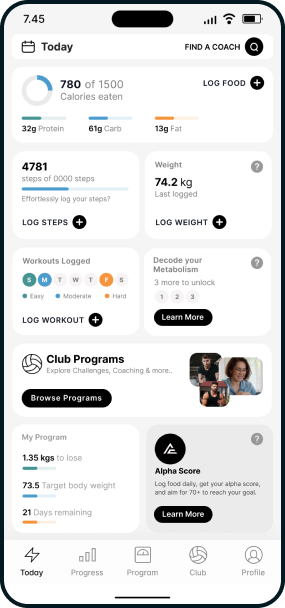
Values are approximate and vary by variety, brand and preparation. To check your own meals, log them in Alpha Coach Pro or the Alpha Coach Indian Food Calorie Calculator.
Best Carbohydrate Foods for Different Goals
For weight loss: oats, quinoa, sweet potatoes, whole fruits, beans and lentils. None of these causes weight loss by itself. Fat loss still depends on energy intake. Fibre-rich carbs just make it easier to build filling meals.
For muscle gain: rice, potatoes, whole wheat pasta, oats and bananas. Carbohydrates fuel training and replenish glycogen. Pair them with adequate protein and resistance training.
For diabetes: oats, legumes, whole grains, apples, berries, other whole fruits and non-starchy vegetables. People with diabetes don’t universally need to eliminate carbohydrates. Current guidance emphasises minimally processed, high-fibre sources and individualised total intake. Talk to your doctor or dietitian about your own targets.
For athletes: rice, bananas, whole-grain bread, potatoes, sweet potatoes and oats. Athletes may deliberately choose slower or faster-digesting carbs depending on whether they’re eating a normal meal, preparing for training or recovering. For running specifically, see the food section of my running stamina guide.
How Many Carbs Should You Eat Per Day?
There isn’t one ideal number. For adults, dietary reference ranges place carbohydrate at roughly 45-65% of total calories. On a 2,000-calorie diet, that’s about 225-325 g per day.
| Person | Practical carbohydrate guidance |
| General adult | 45-65% of daily calories |
| 2,000-calorie example | 225-325 g/day |
| Weight loss | Individualised by calorie intake and preference |
| Moderately active person | Often 3-5 g/kg/day, depending on training |
| Athlete in general training | Often 5-7 g/kg/day |
| Heavy endurance training | Can rise considerably further |
For example, a 70 kg athlete eating 5-7 g/kg would take in roughly 350-490 g of carbohydrate daily. This is why copying someone else’s carb target usually makes little sense. Age, body size, training, calorie needs, medication, diabetes status and preference all matter.
Signs You’re Eating Too Many Refined Carbs
A diet dominated by refined carbohydrates and added sugars may contribute to:
- Feeling hungry again soon after eating
- Frequent sweet cravings
- Energy swings
- Difficulty controlling calorie intake
- Weight gain over time
- Poorer blood glucose control in susceptible people
- Low overall fibre intake
These signs aren’t diagnostic. Tiredness, hunger and weight gain have many causes. The useful question isn’t whether you ate carbs today, but what share of your diet came from highly processed carbohydrate foods.
Tips to Choose Healthy Carbohydrates Every Day
You don’t need to count every gram. A few habits do most of the work:
- Choose whole grains more often than refined grains.
- Eat whole fruit instead of routinely drinking juice.
- Include beans, lentils and other legumes regularly.
- Pair carbohydrate foods with protein and healthy fats.
- Check ingredient lists and nutrition labels.
- Limit foods with large amounts of added sugar.
- Increase fibre gradually if your current intake is low.
- Watch portion size as well as food quality.
And don’t overcomplicate rice. If you enjoy white rice, you can still eat it. Pairing it with dal, vegetables, curd, paneer, tofu, fish or chicken makes a very different meal from a huge bowl of rice on its own.
Common Myths About Carbohydrates
Carbs make you fat. Not automatically. Eating more energy than you use can lead to weight gain, whether the calories come from carbohydrate, fat or both.
You should completely avoid carbs. There’s no reason for most healthy people to remove all carbohydrate foods. Doing so would also remove many fruits, legumes, whole grains and vegetables.
Fruits contain too much sugar. Whole fruit has natural sugar, but also fibre, water, vitamins and other nutrients. A banana and a sugary soft drink aren’t equivalent.
Low-carb diets are best for everyone. Some people do well on lower-carb diets. Others prefer moderate or higher carb intake. No single macronutrient split is optimal for every person, including people with diabetes.
Brown sugar is healthier than white sugar. Not meaningfully. Brown sugar may contain tiny amounts of minerals from molasses, but it’s still mostly sugar. Reducing excess added sugar is the real strategy.
Carbohydrates Food FAQs
What are carb rich foods?
Rice, wheat (roti, bread, pasta), oats, potatoes, bananas, beans, lentils, cereals, sweets and sugary drinks are all carb rich foods. Their nutritional quality differs enormously.
Which foods are rich in carbohydrates and healthy?
Oats, brown rice, sweet potato, quinoa, whole wheat bread, bananas, apples, chickpeas, rajma and corn.
What are high carbohydrate foods?
Sugar, cereals, rice, pasta, flour, oats, dried pulses and bread are among the highest per 100g, mainly because they’re measured dry. Cooked or fresh foods like fruit and potatoes show lower per-100g numbers.
What foods contain carbohydrates?
Grains, fruits, starchy vegetables, pulses, milk, yogurt, sugar and sweets all contain carbohydrates.
Which carbohydrate foods are the healthiest?
Whole grains, oats, beans, lentils, fruits, vegetables, potatoes and other minimally processed plant foods.
What are the best carbs for weight loss?
Foods with plenty of fibre and reasonable calorie density, such as oats, beans, lentils, fruits, potatoes and whole grains. Portion size and total calories still matter.
Are potatoes healthy carbs?
Yes. Potatoes provide carbohydrate, potassium and vitamin C. Preparation matters: a boiled potato and French fries aren’t nutritionally identical.
Is rice a healthy carbohydrate?
It can be. Brown rice has more fibre, while white rice is easier to digest and a staple for billions of people. Pay attention to serving size and what you eat with it.
Are fruits good sources of carbohydrates?
Yes. Whole fruits provide carbs with fibre, vitamins, minerals and water.
What carbs should diabetics avoid?
There’s no universal list. Limiting sugary drinks, sweets and heavily refined carbs while prioritising high-fibre, minimally processed foods is sensible. Individual needs should be personalised with a doctor or dietitian.
What are examples of bad carbohydrates?
Sugary drinks, candy, pastries, heavily sweetened cereals and other highly refined foods. “Less nutritious” is often more accurate than “bad”.
Should I stop eating carbs to lose weight?
No. You can lose weight while eating carbohydrates. Total energy intake, food quality, protein, fibre, activity and sustainability matter more.
What are slow-digesting carbohydrates?
Oats, legumes, many whole grains and high-fibre carb foods generally digest more slowly than refined alternatives. The actual blood glucose effect still depends on quantity, preparation and what you eat with them.
Conclusion
Carbohydrates aren’t the enemy. The real difference is between getting most of your carbs from whole grains, fruits, vegetables, beans and other minimally processed foods, and getting a large share from sugary drinks, sweets and refined snacks.
You don’t need to give up rice. You don’t need to fear bananas. And you don’t need to eliminate a whole macronutrient just because you’re trying to lose weight.
Start simple. Choose higher-fibre carbs more often. Eat whole foods. Watch your portions. Pair carbs with protein. Keep added sugars and highly refined foods to a smaller part of your diet.
Do that consistently, and your carb choices can stay what they’re meant to be: a useful source of fuel, not something to fear.
 0
0













Leave a Reply